Maples Made Easy: Picking the Perfect Trees for a Park-Like Backyard
A park-like backyard combines generous shade, sweeping lawns, and graceful trees that frame views and invite lingering. Few genera deliver this blend of structure, color, and character as well as maples (Acer). With the right choices, you can craft cool canopies for summer, blazing foliage in fall, and striking bark or form in winter—while supporting pollinators and songbirds. This article explains how to choose maple trees for a home park with confidence, from site assessment through species selection, spacing, planting, and long-term care.
We’ll keep the process practical: start with your climate and soil, match the right maple to the right place, and layer trees for scale and seasonal interest. Along the way, you’ll find design tips, cultivar suggestions, and a step-by-step framework that simplifies decisions and helps you avoid common pitfalls.
Why Maples Make a Backyard Feel Like a Park
Public parks rely on trees that are attractive, durable, and relatively low maintenance. Maples excel because they offer:
- All-season interest: Spring flowers for pollinators, lush green summer canopies, famous fall color, and engaging winter branching or bark (e.g., paperbark maple).
- Versatile sizes: From towering shade trees (sugar, red, Freeman) to refined understory or courtyard choices (Japanese, paperbark).
- Adaptability: Species for wet sites, dry slopes, urban heat, and compact yards.
- Design range: Build allées, groves, specimen focal points, or edge plantings.
The key is not just picking a beautiful tree—it’s aligning the maple’s mature size, rooting behavior, and climate tolerance with your actual site. That’s exactly what you’ll master here.
Quick Reference: The Fast Way to Narrow Your Choices
- If you want big shade + iconic autumn color: Sugar maple, red maple, Freeman hybrid.
- If you need refined scale + ornamental interest: Japanese maple, paperbark maple.
- If soil is often wet: Red maple and silver maple handle occasional wetness; Freeman hybrids also perform well.
- If space is tight or you want a hedge-like line: Hedge maple (Acer campestre) or smaller Japanese maple cultivars.
- If you want exfoliating bark and four-season charm: Paperbark maple (Acer griseum).
- Proceed with caution (invasiveness/overuse in some regions): Norway maple and, in some areas, Amur maple.
Use this list to draft a short candidate roster, then refine using the sections below.
Understand Your Site First
Before you decide how to choose maple trees for a home park, document what your landscape can actually support.
Climate and Hardiness Zones
Confirm your USDA hardiness zone (or local equivalent) and note seasonal extremes. Many large shade maples thrive in Zones 3–8, while more tender ornamental types prefer Zones 5–8.
- Colder climates (Zones 3–5): Sugar, red, silver, and Freeman maples are reliable. Hardy Amur maple is cold-tolerant but may be invasive regionally—check your state/province guidance.
- Moderate climates (Zones 5–8): A wide palette opens: Japanese, paperbark, hedge, sugar, red, Freeman.
- Mild/western coastal climates (Zones 6–9): Bigleaf maple (Pacific Northwest) excels; red and Japanese maples can shine with summer protection from hot wind.
Sun, Wind, and Microclimates
Maples vary in sun needs and wind tolerance. Many large maples want full sun for dense crowns and bold fall color; delicate-leaf Japanese maples appreciate partial shade and shelter from desiccating wind.
- Hot afternoon sun: Choose heat-tolerant cultivars or provide filtered shade, especially for Japanese maples.
- Windy sites: Favor robust species (Freeman, red) and plan windbreak layers.
Soil Texture, Drainage, and pH
Test your soil. Drainage and pH drive success:
- Drainage: Red and silver maples tolerate periodic wetness; sugar maples prefer well-drained soils.
- pH: Red maples can show chlorosis in alkaline soils; Japanese maples prefer slightly acidic. Aim for pH 5.5–7, depending on species.
- Organic matter: Improves structure, water-holding, and root health for nearly all maples.
Space: Height, Spread, and Roots
Think 30 years ahead. Identify overhead lines, building setbacks, and lawn uses. Large maples often mature at 40–70 ft tall and wide; understory types sit happily at 10–25 ft.
- Distance from structures: Plant large maples 20–30 ft from homes. Avoid planting directly over sewer lines.
- Lawns and patios: Surface roots can raise edges over time; choose species and placements wisely.
Maple Species and What They Offer
Sugar Maple (Acer saccharum)
Zones: 3–8 | Size: 60–75 ft tall, broad crown | Best for: Iconic fall color (orange-gold), strong shade canopies, classic park tone. Prefers deep, well-drained, slightly acidic to neutral soils. Not ideal in compacted urban sites. Avoid high-salt areas.
Red Maple (Acer rubrum)
Zones: 3–9 | Size: 40–60 ft | Best for: Site versatility, faster establishment, red spring flowers and fruit, reliable fall reds. Tolerates a range of soils, including temporary wetness. May develop chlorosis in high-pH soils; amend as needed.
Freeman Maple (Acer × freemanii)
Zones: 3–8 | Size: 40–60 ft | Best for: Hybrid vigor (red × silver), strong growth, storm resilience, blazing fall color. Good choice for suburban parks and wide lawns. Look for improved cultivars like 'Autumn Blaze', 'Sienna Glen', and 'Marmo'.
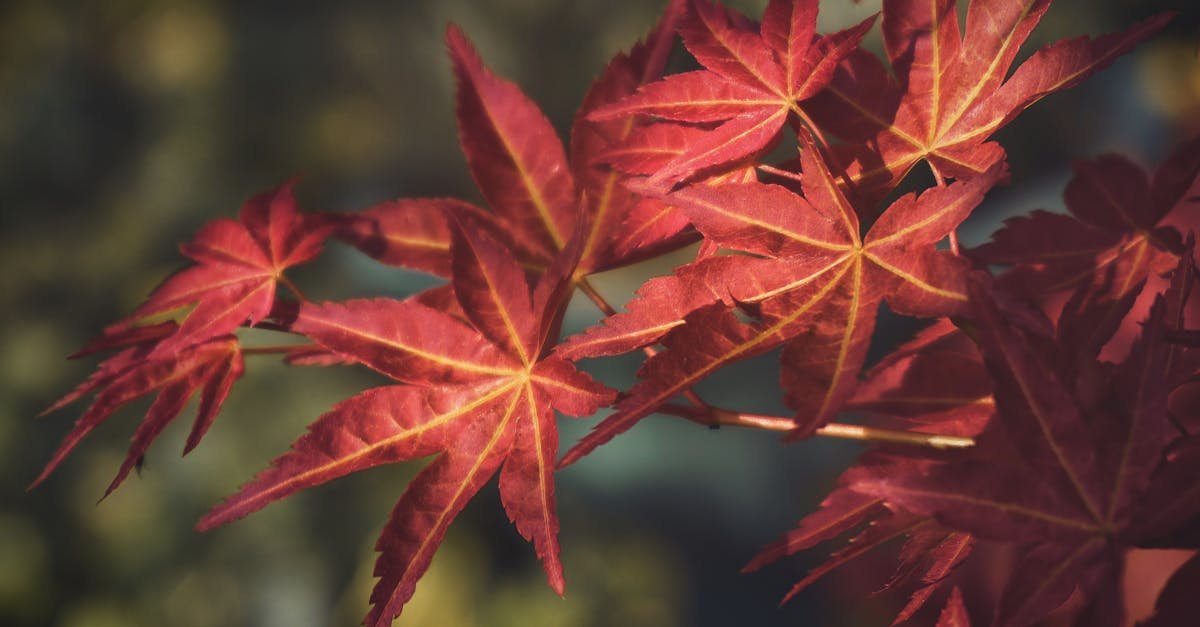
Japanese Maple (Acer palmatum)
Zones: 5–8 (some to 9) | Size: 8–25 ft | Best for: Focal points, courtyards, layered canopies, fine texture, and remarkable color forms (reds, purples, variegated greens). Protect from hot afternoon sun and drying winds in hotter zones.
Paperbark Maple (Acer griseum)
Zones: 4–8 | Size: 20–30 ft | Best for: Four-season interest—cinnamon-peeling bark, soft green summer leaves, orange-red fall. Slow-growing but unforgettable as a specimen or in small groves.
Hedge Maple (Acer campestre)
Zones: 5–8 (some to 4) | Size: 25–35 ft | Best for: Tidy form, hedging or street-tree use, smaller lots, and structured allées. Handles pruning well; good drought tolerance once established.
Bigleaf Maple (Acer macrophyllum)
Zones: 6–9 | Size: 50–80 ft | Best for: Coastal/marine climates (Pacific Northwest), monumental leaves, wildlife value, and grand park presence. Prefers moist, well-drained soils and mild summers.
Silver Maple (Acer saccharinum)
Zones: 3–9 | Size: 50–70 ft | Best for: Rapid growth and wet-tolerant sites. Caveats: weaker wood, surface roots, and potential storm breakage—use where space and management allow or consider Freeman hybrids instead.
Norway Maple (Acer platanoides)
Note: While tough and once widely planted, Norway maple is invasive in many regions and casts very dense shade that suppresses understory diversity. In many areas, it’s best avoided in favor of native or non-invasive options. Always confirm local advisories.
Amur Maple (Acer ginnala)
Zones: 2–7 | Best for: Cold climates and smaller spaces. However, it is invasive in parts of North America. Check regional guidance before planting.
Design Principles for a Park-Like Backyard
Think in Layers
Great parks feel immersive. Use a canopy layer (large maples), an understory (smaller maples, ornamental trees), and a ground layer (lawns, native perennials, or shade-tolerant shrubs). This builds depth and supports wildlife.
Create Destinations and Views
Place a specimen maple to anchor a seating area, or plant a short allée leading to a bench. Groves of 3–5 matching trees can create a woodland pocket that frames views and muffles street noise.
Stage a Color Calendar
- Spring: Red maple flowers feed early pollinators; Japanese maple leaf-out steals the show.
- Summer: Broad canopies cool patios; filtered shade elevates comfort.
- Fall: Sugar, red, and Freeman maples deliver the drama—orange, scarlet, burgundy.
- Winter: Paperbark maple’s peeling bark and Japanese maple’s branching structure add sculpture.
Balance Shade with Lawn and Light
Don’t overplant. A park-like setting is generous with open lawn and sky views. Leave sightlines and “sun windows” for perennials or a vegetable patch.
Safety, Utilities, and Maintenance
- Overhead lines: Choose smaller species under wires or offset plantings.
- Foundations and paving: Keep large trees at recommended distances; allow room for root flare.
- Fallen leaves: Plan for mulching or leaf-mold composting to turn autumn cleanup into soil gold.
How to Choose Maple Trees for a Home Park: A Step-by-Step Framework
Use this repeatable process when selecting and placing trees. It’s the heart of learning how to choose maple trees for a home park with less guesswork and more delight.
Step 1: Define Your Goals
- Shade vs. sun: How much lawn cooling and patio shade do you want?
- Scale: Grand canopy or intimate courtyard feel?
- Seasonal priorities: Fall color, spring show, or winter bark?
- Wildlife: Are native species a priority for habitat?
Step 2: Map the Site
Sketch your property lines, buildings, and utilities. Mark sun paths, wind exposure, wet spots, slopes, and soil test results. Note key views and privacy needs.
Step 3: Shortlist Species and Cultivars
Match tree traits to site realities. Pick 2–4 candidates for each location. For example:
- Sunny, well-drained lawn: Sugar (‘Fall Fiesta’, ‘Green Mountain’) or Freeman (‘Autumn Blaze’, ‘Sienna Glen’).
- Periodic wet soil: Red maple (‘October Glory’, ‘Red Sunset’), select Freeman hybrids.
- Courtyard focal point: Japanese maple (‘Bloodgood’, ‘Seiryu’, ‘Tamukeyama’) or paperbark maple.
- Narrow side yard/allée: Hedge maple or columnar selections (e.g., Acer rubrum ‘Armstrong Gold’ for tighter spaces).
Step 4: Source Quality Trees
Buy from reputable nurseries. Inspect for a visible root flare, a single strong leader (on large shade types), well-distributed branches, and no circling/girdling roots in containers. Ask about cultivar origin and disease resistance.
Step 5: Design the Planting Plan
- Spacing: Large maples: 25–40 ft apart; medium: 18–25 ft; small ornamentals: 10–15 ft.
- Layering: Place large canopy trees first, then understory maples to fill spaces, not crowd them.
- Visual rhythm: For allées or groves, repeat the same cultivar at consistent spacing.
Sizing and Spacing: Avoid Future Crowding
More maples aren’t always better. In a park-like design, air and light are part of the composition. Use these rules of thumb:
- From houses: Plant large trees 20–30 ft away; medium trees 15–20 ft; small ornamentals 8–12 ft.
- Between trees: Allow half the sum of their mature spreads (e.g., two 40-ft spread trees should be ~40 ft apart).
- Under utilities: Stick to small trees and keep a respectful buffer from poles and lines.
Regional Cultivar Suggestions (General Guidance)
Always verify local availability and performance, but these are strong starters:
- Cold climates (Zones 3–5): Sugar (‘Fall Fiesta’, ‘Legacy’), Red (‘Red Sunset’), Freeman (‘Autumn Blaze’), Hedge maple (zone-dependent). Avoid wind-exposed spots for delicate Japanese maples.
- Temperate (Zones 5–8): Freeman (‘Sienna Glen’), Red (‘October Glory’), Japanese (‘Bloodgood’, ‘Osakazuki’), Paperbark, Hedge maple.
- Coastal/marine (PNW, Zones 6–9): Bigleaf maple (native), Japanese maples thrive with wind protection, Red maple cultivars with good drainage.
If invasiveness is a local concern, prefer native or non-invasive choices. Your extension service can confirm up-to-date advisories.
Planting and Establishment: Do It Right the First Time
Proper planting is as important as the species you choose. Get this right and your trees will reward you for decades.
- Timing: Plant in early spring or fall when soils are workable and temperatures are mild.
- Hole width, not depth: Dig 2–3× the width of the root ball, only as deep as the root flare so it sits level with the soil surface.
- Root prep: Tease out or slice circling roots on container trees; remove or cut back burlap and wire baskets from B&B trees, exposing the flare.
- Backfill: Use native soil; avoid heavy amendments that create water barriers. Firm gently to remove air pockets.
- Water-in: Apply 10–15 gallons at planting; then keep evenly moist (not soggy) for the first two growing seasons.
- Mulch: 2–3 inches of wood chips over the root zone, pulled back from the trunk (no mulch volcanoes).
- Staking: Only if necessary; remove after one season to encourage strong trunks.
Care and Maintenance for a Park-Like Feel
Water and Mulch
Consistent deep watering in the first two years builds resilient roots. After establishment, most maples need supplemental water only during extended drought. Renew mulch annually to conserve moisture and moderate soil temperature.
Pruning
- Structure first: Train a strong central leader in large shade trees. Remove crossing or weak branches.
- Timing: Light pruning is fine most of the year for safety; heavier cuts are often best in mid to late summer to reduce sap bleeding in spring.
- Keep it simple: Avoid excessive thinning; maintain natural form for that park aesthetic.
Feeding
Fertilize only if a soil test shows deficiency. Over-fertilizing can cause weak, fast growth. Compost top-dressing and leaf-mold recycling often provide all the “feed” a maple needs.
Pests and Diseases
- Verticillium wilt: Some maples are susceptible; choose tolerant species/cultivars and keep trees unstressed.
- Tar spot and leaf scorch: Usually cosmetic. Improve airflow and watering practices.
- Aphids and scale: Typically manageable; encourage beneficial insects and avoid unnecessary broad-spectrum insecticides.
- Asian longhorned beetle (regional): Maples are host species; learn local alerts and report suspect findings.
Sustainable and Climate-Smart Choices
- Plant diversity: Mix species and cultivars to reduce pest and storm risk.
- Native value: Where appropriate, choose regionally native maples for stronger habitat benefits.
- Water-wise: Match species to moisture regime; mulch generously; harvest rain where possible.
- Heat resilience: Select cultivars known for urban tolerance if you’re in a heat island.
Budgeting and Phasing Your Home Park
You don’t need to plant everything at once. Phase your project:
- Year 1: Site prep, soil testing, install 1–3 canopy trees.
- Year 2: Add understory maples and shrubs; refine lawn edges and paths.
- Year 3: Evaluate shade patterns, add seating, lighting, and seasonal color layers.
Buy the best-quality trees you can afford. One well-placed, healthy tree beats three poorly sited ones every time.
Three Park-Inspired Templates You Can Steal
1) The Classic Lawn and Shade Canopy
- Centerpiece: One sugar or Freeman maple off the patio for afternoon shade.
- Flankers: Two red maples aligned to frame a distant view.
- Understory: Paperbark maple near a path as a winter focal point.
2) The Courtyard Collector
- Specimens: 2–3 Japanese maples of contrasting forms (upright laceleaf + weeping).
- Backdrop: Hedge maple hedge pruned into soft planes.
- Details: Stone bench beneath dappled shade; spring bulbs for shoulder-season color.
3) The Allée to a Destination
- Axis: Columnar red maples ('Armstrong Gold') at 20–25 ft spacing along a mown path.
- Terminus: A seating area under a broader-canopy maple.
- Ground layer: Low-mow fescue or native meadow flanking the path.
Frequently Asked Questions
Will maple roots damage foundations?
With proper setbacks (20–30 ft for large trees), maples rarely threaten sound foundations. Avoid planting directly over old pipes and allow room for the root flare.
Are maples messy?
They drop flowers, samaras (seeds), and leaves seasonally—part of their ecological value. Plan for autumn mulching or composting to turn litter into soil-building material.
How fast do maples grow?
Freeman, red, and silver maples grow faster (often 1.5–3 ft/year when young). Sugar and paperbark are moderate; Japanese maples are slow to moderate but repay patience with exceptional character.
Can I grow a maple in a container?
Yes—smaller Japanese maple cultivars do well in large containers with excellent drainage. In cold climates, protect roots in winter.
Do maples support wildlife?
Yes. Maples host caterpillars and support pollinators and birds. Native maples are particularly valuable in many regions.
The Ultimate Checklist: How to Choose Maple Trees for a Home Park
- Confirm your zone and temperature extremes.
- Test your soil for pH, texture, and drainage.
- Map sun, wind, and utilities on a site plan.
- Set goals (shade, fall color, wildlife, focal points).
- Shortlist species that fit the site (sugar, red, Freeman, Japanese, paperbark, hedge, etc.).
- Pick cultivars for color, size, and habit suited to your design.
- Space properly to maintain lawn and light.
- Source quality stock with healthy structure and roots.
- Plant correctly (root flare at grade, wide hole, mulch right).
- Water and prune for strong establishment and natural form.
Bringing It All Together
Designing a park-like backyard with maples is part art, part site-matched science. When you understand your climate, soil, and space—and choose species and cultivars that fit—you get lasting shade, dramatic color, and effortless elegance. If you remember nothing else from this guide to how to choose maple trees for a home park, remember this: match the maple to the place, plant it right, and give it room to grow. Your reward will be a timeless landscape that’s as welcoming as a great public park—and entirely your own.