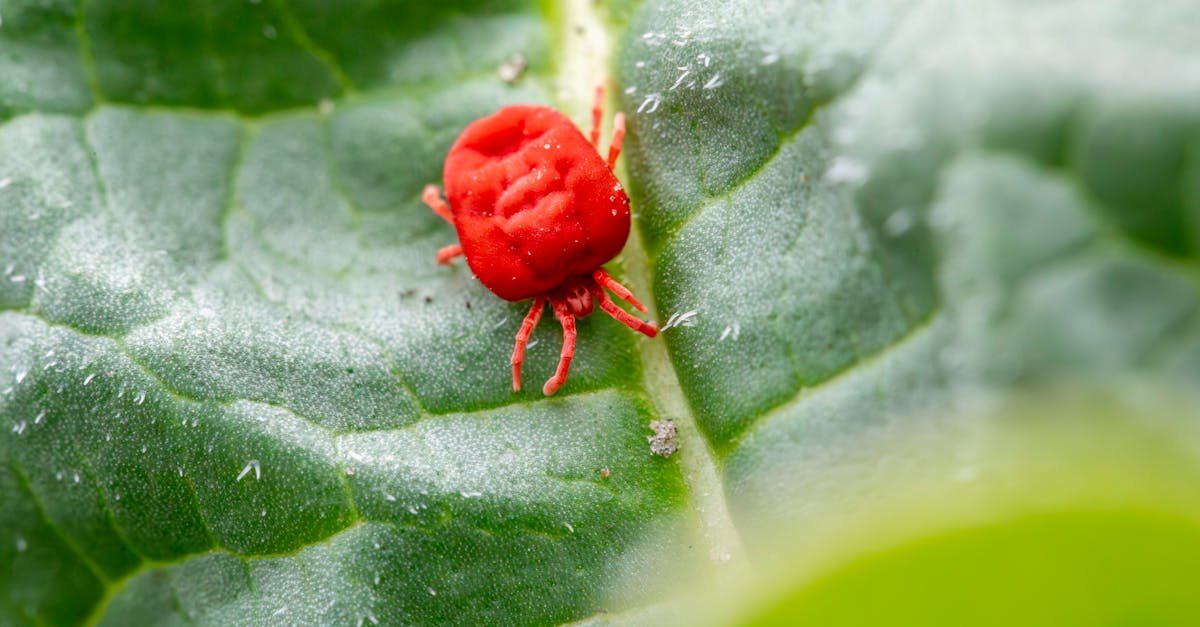
Hot, dry weather plus dusty conditions can turn apple leaves into a buffet for spider mites. One week your canopy looks lush, and the next you see pale stippling, bronzing, and fine webbing across shoots and leaves. The good news is that you can get ahead of these tiny sap-suckers with a smart, safe plan that protects your fruit, your family, and your garden allies. In this complete guide, you will learn how to recognize mite damage, how to act fast with water and gentle sprays, how to bring in beneficial predators, and how to build a season-long strategy that keeps leaves green and productive.
If you came here wondering how to act right now, you will find a quick action checklist below, followed by deeper sections on identification, monitoring, non-chemical tactics, organic sprays, biological control, and advanced options if an outbreak gets away from you. Whether you are caring for a backyard tree, an espalier along a sunny fence, or a small home orchard, the steps are the same and they work.
Quick Answer: What Works Fast and Safely
Pressed for time and need a rapid response that is safe for kids, pets, and pollinators? Start here. These steps will knock mite numbers down quickly and set you up for longer-term success.
- Confirm mites: Do a tap test. Hold a white card under a leaf, tap the leaf, and look for moving specks. Use a 10x hand lens if you have one.
- Blast with water: Rinse the undersides of leaves with a strong water jet two to three times per week for two weeks. Focus on dusty areas and inner canopy.
- Spray a gentle control: Apply insecticidal soap or horticultural oil to leaf undersides, repeating every 3 to 5 days for 2 or 3 cycles. Avoid heat above 29 C or 85 F.
- Cut the stress: Water deeply and regularly, mulch to hold moisture, and reduce dust from paths or driveways.
- Enlist allies: Release predatory mites such as Neoseiulus californicus if outbreaks recur or are hard to reach with sprays.
- Avoid flare-ups: Do not oversupply nitrogen and skip broad-spectrum insecticides that kill beneficial mites and beetles.
Know Your Enemy: Spider Mites on Apple Leaves
Spider mites are not insects. They are tiny arachnids that thrive in hot, dry, and dusty settings. On apples, the two most common culprits are the two-spotted spider mite and the European red mite. Both pierce cells on the leaf underside and suck out contents, causing the classic speckled, pale look called stippling. With heavy feeding you see bronzing, leaf scorch, premature leaf drop, and reduced photosynthesis that can cut fruit size and quality.
Main species on apples
- Two-spotted spider mite Panonychus is not the genus for this one; it is generally Tetranychus urticae. Adults are usually pale green with two dark spots. They build fine webbing in hot spots.
- European red mite Panonychus ulmi. Reddish adults are rounder than two-spotted mites, and eggs can overwinter on bark and spur wood.
Life cycle and why outbreaks happen
Mites pass through egg, larva, nymph, and adult stages quickly, often completing a generation in one to two weeks during summer. That speed is why a few mites can become thousands by midseason. Outbreaks often follow heat waves, drought stress, dusty conditions along roads or dry paths, and excess nitrogen fertilization that yields soft, juicy foliage. Broad-spectrum insecticides also remove predators, allowing mites to explode unchecked.
Symptoms to watch
- Stippling. Light flecks start along the midrib and spread outward, turning leaves dull and grayish.
- Bronzing and scorch. As cells die, leaves bronze or brown, edges crisp, and photosynthesis drops sharply.
- Webbing. Fine silk across the underside of leaves and between petioles and shoots shows advanced infestations.
- Reduced vigor. Fruit may be smaller, sunburn risk increases, and stressed trees are more disease-prone.
Scout First, Treat Second
The most effective control starts with accurate identification and counting. Spraying without scouting wastes time and can harm beneficials. A basic routine takes minutes and tells you whether to rinse, spray, or release predators.
How to scout
- Tap test. Place a white index card or paper under a leaf, tap the leaf sharply, and watch for moving specks. Mites move like tiny spiders rather than sliding like pollen.
- Hand lens. A 10x to 20x loupe lets you see eggs, nymphs, and adults on the underside of leaves. Note presence of predators too.
- Sampling pattern. Check 10 to 20 leaves per tree from inner and outer canopy, focusing on sunny, dusty sides.
When to act
- Light presence. A few mites per leaf and little to no stippling. Start with water rinses and dust control.
- Moderate pressure. About 5 to 10 mites per leaf or 20 percent of leaves with stippling. Add insecticidal soap or horticultural oil and repeat within 3 to 5 days.
- Heavy pressure. Webbing, bronzing, or more than 10 to 20 mites per leaf. Combine water rinses with oil or soap, consider releasing predatory mites, and escalate only if needed.
Keep simple records
Note dates, weather, dust sources, counts per leaf, and what you sprayed or rinsed. This makes decisions faster next time and helps prevent resistance by guiding rotations.
How to Fight Spider Mites on Apple Leaves Without Harsh Chemicals
This section walks you through practical, low-risk steps that solve most mite problems in home orchards. You will notice that success depends on two keys: coverage of leaf undersides and consistency over a couple of weeks.
Step 1. Wash mites off with water
- Use a firm spray from a garden hose with a nozzle set to a fan or jet. The goal is to dislodge mites, not shred leaves.
- Focus on undersides of leaves where mites feed and lay eggs. Spray each section until it glistens and drips.
- Repeat every 2 to 3 days for 1 to 2 weeks. This breaks the rapid life cycle.
- Mind disease risk. If powdery mildew is common in your area, rinse in the morning so leaves dry quickly.
- Reduce dust by damping driveways, adding mulch to paths, or planting groundcovers that keep soil from puffing dust onto leaves.
Step 2. Prune and thin for airflow
- Open the canopy so sprays reach leaf undersides and predators can move freely.
- Remove hot spots where you see webbing or heavy stippling. Dispose of those leaves away from your trees.
- Support shoots on espaliers to reduce leaf-on-leaf friction and dust accumulation.
Step 3. Water and feed for resilience
- Deep, even watering reduces drought stress that encourages mites.
- Mulch 5 to 8 cm with wood chips or compost to stabilize moisture and lower dust.
- Avoid excess nitrogen. Use slow-release or organic sources to prevent tender, mite-favored flushes.
Step 4. Soap and oil sprays that are safe and effective
Two organic tools do the heavy lifting for many gardeners: insecticidal soap and horticultural oil. They work by contact, so spray to full coverage, especially on leaf undersides.
Insecticidal soap
- What it is: Potassium salts of fatty acids, formulated for plants and labeled for edible crops.
- How it works: Disrupts the outer membranes of soft-bodied pests like mites, leading to rapid knockdown.
- How to use:
- Spray in the early morning or late evening when temperatures are below 29 C or 85 F.
- Test on a few leaves 24 hours before broad use to check for sensitivity.
- Thorough coverage of the undersides is essential. Spray until leaves are just shy of dripping.
- Repeat every 3 to 5 days for 2 or 3 applications to catch emerging nymphs.
- Tips: Use clean, soft water if possible. Hard water can reduce efficacy; adding a labeled spreader-sticker can improve coverage.
Horticultural oil
- What it is: Highly refined paraffinic mineral oils or plant-based oils designed for plants and food crops.
- How it works: Smothers mites and eggs on contact. Excellent for eggs and mixed-age populations.
- How to use in season:
- Apply a 1 to 2 percent solution during active growth when temperatures are mild.
- Spray in the morning or evening to avoid heat stress and leaf burn.
- Do not combine with sulfur or sulfur-containing products close in time. Allow a 14 to 30 day buffer depending on labels.
- Repeat after 7 to 10 days if needed.
- Dormant or delayed-dormant oil: Before bud break, a 2 to 3 percent oil spray can suppress overwintering eggs of European red mite on bark and spurs. Spray on a dry, calm day above freezing.
Neem and azadirachtin
- Neem oil: Provides some suppression by smothering and as a feeding deterrent. Works best on early stages with thorough coverage.
- Azadirachtin extracts: Interfere with molting and reproduction. Combine with soaps or oils for better results, and repeat at label intervals.
Note on sulfur: Sulfur is primarily a fungicide. It can suppress some mite species but often harms predatory mites and may cause leaf burn in heat. Most home growers are better served by soaps and oils for mite control.
DIY sprays and common myths
- Dish soap: Household dish detergents can burn foliage and are not labeled for edible plants. Use true insecticidal soap instead.
- Isopropyl alcohol: Spot-wiping small potted trees can kill mites on contact, but whole-tree sprays risk leaf burn and are impractical. Reserve for isolated leaves indoors.
- Diatomaceous earth: Not effective on mites feeding on leaf undersides and messy on trees. Skip it for this job.
- Baking soda: Not a mite solution. It is used for some fungal issues and may cause phytotoxicity at higher rates.
Biological Allies: Predatory Mites and Friends
Encouraging or releasing natural enemies gives you durable control without repeated sprays. Predators keep small mite populations in check and can rescue a tree after you reduce pest numbers with water and soap or oil.
Predatory mites to consider
- Neoseiulus californicus: Tolerates a wide range of temperatures and lower prey levels. Great for prevention and early outbreaks.
- Phytoseiulus persimilis: A voracious specialist that demolishes two-spotted spider mites in warm, humid conditions. Best for hotspots after an initial knockdown.
- Amblyseius andersoni: Performs well in cooler spring conditions and across diverse mite species on apples.
How to release and succeed
- Order fresh predators from reputable suppliers and release quickly on a mild day.
- Distribute evenly through the canopy, focusing on infested zones. Many products come in shaker bottles or sachets that hang on branches.
- Reduce sprays that kill beneficials. Avoid pyrethroids and broad-spectrum insecticides before and after release.
- Keep humidity up with regular irrigation and mulching. Predatory mites like moderate humidity and get stressed by dust.
- Scout weekly to confirm predators are present and pest numbers are trending down.
Other natural enemies
- Stethorus lady beetles also called spider mite destroyers feed heavily on mites and eggs.
- Minute pirate bugs and lacewing larvae will eat mites when abundant, especially in diverse, pesticide-free gardens.
- Habitat plantings with small-flowered herbs like dill, alyssum, and yarrow support adult predators with nectar and pollen.
When You Need a Stronger Miticide
Most home orchards never need synthetic miticides if water rinses, soaps or oils, and predators are used early and well. If you are facing severe, repeated outbreaks and have already tried those steps thoroughly, you may consider products labeled for edible crops. Always read and follow labels for your location, observe pre-harvest interval PHI and reentry interval REI, and rotate modes of action to prevent resistance.
Options commonly labeled for food crops
- Bifenazate IRAC 20D. Strong knockdown of motile stages. Good fit post-bloom with careful coverage.
- Spiromesifen and spirodiclofen IRAC 23. Active on immature stages and eggs, helpful for longer residual control.
- Etoxazole IRAC 10B and hexythiazox IRAC 10A. Growth regulators that target eggs and nymphs, less impact on adults.
- Abamectin IRAC 6. Highly effective but may require a license in some regions and has specific label restrictions for home use.
Critical best practices:
- Rotate IRAC groups between applications and seasons to avoid resistance.
- Spray early in an outbreak when most mites are nymphs for better results.
- Spot treat hotspots when possible to conserve predators elsewhere in the tree.
- Avoid bloom periods to protect pollinators, and shield adjacent flowering plants from drift.
Seasonal Plan: A Simple IPM Roadmap for Apples
Integrated pest management IPM means combining monitoring, cultural practices, biological allies, and minimal-risk sprays in a logical sequence. Here is a simple, effective plan for the whole year.
Late winter to bud break
- Prune for an open canopy that allows air and light to reach every branch.
- Scrub or brush flaky bark on older limbs to reduce sites for overwintering eggs.
- Apply dormant oil on a calm, above-freezing day to smother eggs of European red mite.
Spring
- Scout weekly with tap tests as new leaves expand.
- Manage dust by mulching and watering paths and drive edges.
- Encourage beneficials with flowering understory plants and by avoiding broad-spectrum insecticides.
Early summer
- Rinse leaves during heat spikes and dry spells.
- Use insecticidal soap or horticultural oil at the first sign of stippling; repeat as needed at 3 to 5 day intervals.
- Release predatory mites if you frequently see rebounds or cannot reach inner canopy with sprays.
Peak summer
- Water deeply and maintain mulch to keep trees unstressed.
- Thin fruit and shoots if the canopy is dense and sprays are hard to deliver.
- Rotate tools: alternate water rinses with soaps or oils, and conserve predators.
After harvest
- Clean up heavily infested leaves and debris.
- Avoid late nitrogen that drives tender growth before dormancy.
- Plan improvements for dust control and irrigation before next season.
Special case: patio and espalier apples
- Container trees dry out faster. Water consistently, and rotate pots so sun and wind are balanced.
- Espaliers offer superb spray access. Wash undersides easily and spot-spray soap or oil as soon as you see stippling.
Safety First: People, Pets, and Pollinators
Keeping your family safe is just as important as saving leaves. These safeguards make your mite control plan truly garden-friendly.
- Read labels and follow directions for mixing, application, REI, and PHI. Use only products labeled for edible crops.
- Wear basic PPE: gloves, long sleeves, eye protection, and a simple mask when mixing sprays.
- Spray when calm to reduce drift. Shield nearby flowers and rinse spills promptly.
- Time sprays for early morning or evening to protect beneficials and prevent leaf burn.
- Rinse fruit at harvest. Home-use soaps and oils have short PHI but washing is still wise.
Troubleshooting and FAQs
I sprayed oil and still see mites. What went wrong
- Coverage is the number one issue. Re-spray, aiming specifically at leaf undersides until just before drip.
- Timing matters. Repeat in 7 to 10 days to catch eggs that hatch after your first spray.
- Heat stress can limit use. If it is too hot for oil, switch to water rinses and an evening soap spray on a cooler day.
There is webbing everywhere. Can I still save the tree
- Act fast. Prune out the worst webbed shoots and dispose of them.
- Power wash the canopy thoroughly and follow with a soap spray 24 hours later.
- Release predatory mites to clean up survivors hidden in remaining webbing.
Leaves browned after a soap spray. Did I hurt the tree
- Likely phytotoxicity from heat, high concentration, or sensitive leaves.
- Rinse the foliage with water promptly and skip sprays during hot spells.
- Test-spray a small area next time and spray at cooler times of day.
Will systemic insecticides help against mites
Most common systemics for home use target sucking insects and can worsen mite problems by killing predators while barely touching mites. Stick with targeted approaches outlined here unless you have a label specifying miticidal activity and it is appropriate for home orchards.
Can I mix oil and sulfur, or spray oil after sulfur
Do not. Oil and sulfur together can cause severe leaf burn. Maintain a 14 to 30 day interval between sulfur and oil applications, and read both labels for exact timing.
How to fight spider mites on apple leaves when I cannot spray often
Prioritize water rinses to knock down numbers quickly, dust reduction through mulching and damping paths, and a predatory mite release to maintain control. Even two well-timed soap or oil sprays a week apart can make a big difference if coverage is excellent.
Pro Tips for Better Results
- Angle the nozzle up so spray rolls across the leaf underside from tip to base.
- Use colored flagging to mark treated sections so you know what you covered a few days later.
- Check water quality. If your water is very hard, rinse the sprayer, use distilled or softened water for mixing, or add a labeled adjuvant.
- Rotate methods: water rinse, then soap, then oil a week later, then release predators if needed. Variety prevents resistance and preserves beneficials.
Putting It All Together
Protecting apple foliage from mites does not require harsh chemicals or complicated equipment. The most effective plan blends simple actions you can start today with a few strategic tools as needed.
- Start with scouting so you know what you are fighting and how bad it is.
- Rinse thoroughly to disrupt the fast mite life cycle and remove dust.
- Spray smart with insecticidal soap or horticultural oil, focusing on leaf undersides and repeating on schedule.
- Support allies by releasing predatory mites when outbreaks persist, and avoid broad-spectrum insecticides.
- Build resilience through watering, mulching, pruning for airflow, and balanced nutrition.
With this integrated approach, you not only learn how to fight spider mites on apple leaves, you also create a healthier microclimate where mites struggle and apple trees thrive. Keep your leaves green, your fruit sweet, and your garden safe by choosing water, gentle sprays, and biological allies first. The result is a season of glossy foliage and steady harvests, without sacrificing safety or simplicity.
Summary Checklist
- Confirm mites with tap tests and a hand lens.
- Wash leaves two to three times weekly during outbreaks.
- Spray insecticidal soap or horticultural oil on undersides, repeat 3 to 5 days later.
- Mulch and water to cut stress and dust.
- Release predators if mites recur; conserve beneficials.
- Rotate tools and avoid overusing any single tactic.
- Plan a dormant oil spray before bud break to suppress overwintering eggs.
Follow these steps and you will defeat spider mites for good, the safe and simple way.