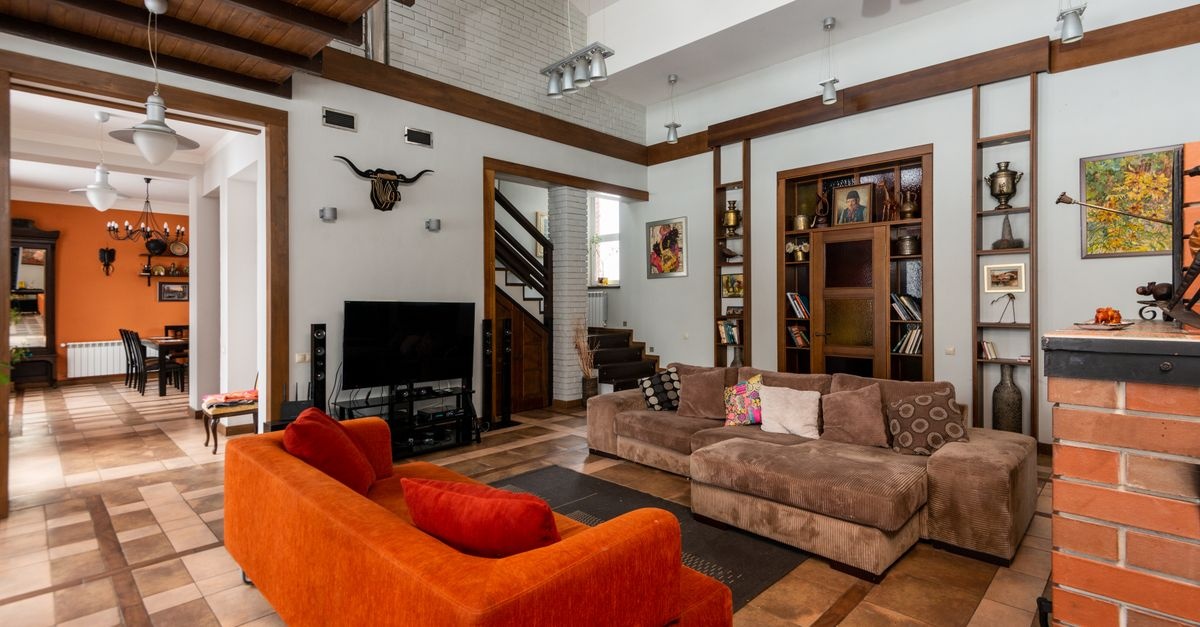
Your home can be a refuge or a source of background stress. If the latter sounds familiar, it’s time to rethink the environment shaping your daily rhythm. This guide distills both design principles and practical know-how into nine simple, high-impact tweaks you can implement over a weekend or over a month. Along the way, you’ll discover how to create a harmonious living zone—one that’s functional, contemplative, and beautiful without feeling staged.
Why Calm Spaces Work: The Psychology Behind Serenity
Calm doesn’t happen by accident; it’s an outcome of visual order, sensory balance, and thoughtful routines. When your space is visually coherent and tactilely comforting, your brain spends less energy on micro-decisions and visual noise.
Core Design Principles That Support Balance
- Harmony: Repetition of color, line, and material that creates unity.
- Balance: Even distribution of visual weight (symmetrical or asymmetrical) to avoid lopsidedness.
- Rhythm: Gentle patterns and pacing that guide the eye without agitation.
- Emphasis: A calm focal point—often art, a view, or a fireplace—that anchors the scene.
- Proportion and Scale: Furniture and decor sized to the room for comfort and ease of movement.
When these principles align, your living area supports conversation, relaxation, and daily rituals with ease. That’s the essence of a balanced living space.
Tweak 1: Clarify Purpose and Flow
Before you move a single chair, define what the room must do. Clarity reduces clutter and sets up natural pathways that cut stress. This is foundational to how to create a harmonious living zone—function first, then beauty.
Map Micro-Zones
Identify two to three primary activities and assign them micro-zones:
- Conversation: Seating arranged for face-to-face eye lines at 6–8 feet.
- Reading/Focus: A lounge chair with a side table and task light.
- Media: Screen placement that minimizes glare and cable clutter.
- Mindful Pause: A cushion, plant, and soft lamp for quick breathers.
Design Traffic Patterns
- Keep 36–42 inches clear for main pathways; 24–30 inches for secondary.
- Avoid routing walkways through the center of conversation areas.
- Place the heaviest visual elements (bookcases, tall plants) to subtly guide movement.
With purpose and flow set, every other tweak lands more gracefully.
Tweak 2: Declutter with Compassion, Not Severity
Minimalism isn’t a number; it’s a feeling of “enough.” You’re aiming for visual breathing room—not austerity.
A Kind-But-Clear Editing Method
- Stage and See: Remove everything from surfaces. Return only items that serve function or joy.
- The Three-Pile Rule: Keep (use weekly), Archive (store neatly), Release (donate/sell).
- Limiters: Give each surface a capacity (e.g., three objects max on coffee table).
Storage That Supports Calm
- Closed storage for visual quiet—media consoles, credenzas, baskets.
- Open storage for curated display—books by color/value, ceramics, plants.
- Landing zones at entries: hooks, trays, and shoe racks prevent daily pileups.
Decluttering is a recurring habit, not a one-time purge. Build a five-minute nightly reset into your routine to keep serenity intact.
Tweak 3: Curate a Soothing Color Narrative
Color sets the emotional temperature. A well-chosen palette can quiet a busy mind and visually tie zones together.
Build Your Palette
- Base (60%): Soft neutrals—warm white, oat, greige, mushroom, or stone.
- Secondary (30%): Gentle hues—sage, dusty blue, clay, eucalyptus, or fog gray.
- Accent (10%): Deep but muted—ink, charcoal, olive, merlot—used sparingly.
Tips for a Balanced Living Space Through Color
- Repeat the secondary hue in textiles and art to unify micro-zones.
- Match undertones (warm with warm, cool with cool) to avoid silent clashes.
- Test large swatches in morning, afternoon, and evening light before you commit.
- Embrace low-saturation colors; they’re easier on the nervous system.
A calm palette becomes the backdrop for everything else, supporting how to create a harmonious living zone without shouting for attention.
Tweak 4: Layer Lighting for Mood and Function
Flat overheads can make even beautiful rooms feel harsh. Layered lighting brings warmth, depth, and control.
The Three Layers
- Ambient: Ceiling fixtures, floor lamps with diffusers.
- Task: Reading lamps, under-shelf strips for media cabinets.
- Accent: Picture lights, uplights behind plants, candlelight (real or LED).
Tone and Control
- Color temperature: 2700–3000K for living areas; warmer in the evening.
- Dimmers: Essential for shifting from productivity to unwind mode.
- Daylight: Maximize with sheer curtains, mirrors, and light, matte finishes.
When you can tune light to the moment, your living room adapts to your nervous system—energizing by day, cocooning by night.
Tweak 5: Invite Nature with Biophilic Touches
Humans relax in the presence of natural elements. Biophilic design brings the outdoors in through texture, pattern, and living things.
Plants and Living Elements
- Low-maintenance heroes: ZZ plant, snake plant, pothos, philodendron.
- Structure and height: Fiddle-leaf fig, rubber tree, olive tree for vertical balance.
- Micro-green moments: Herbs near a window or a simple moss bowl.
Nature-Inspired Materials and Patterns
- Organic fibers: linen, wool, jute, cotton, hemp.
- Wood tones with visible grain; stone and clay accents with matte finishes.
- Subtle botanical or topographical patterns in pillows or rugs.
Even a single leafy plant plus a wood bowl can soften hard edges and increase perceived comfort, reinforcing your path to a serene, balanced living space.
Tweak 6: Orchestrate Texture and Materials
Texture is where the eyes rest and the hands feel at ease. Balance smooth with nubby, hard with soft, matte with a restrained hint of sheen.
Tactile Contrast That Calms
- Smooth anchors: A tight-weave sofa or leather chair keeps the room grounded.
- Soft layers: Chunky throws, velvet pillows, boucle ottomans invite touch.
- Natural fibers: Jute or wool rugs absorb sound and add earthy warmth.
Acoustic Comfort Through Material Mix
- Use textiles on large surfaces (curtains to the floor, sizable rugs).
- Integrate acoustic panels disguised as art if echoes persist.
- Choose matte finishes to avoid glare and visual noise.
Texture orchestrated with intention not only pleases the senses; it also helps stitch zones together so your eye glides rather than stutters.
Tweak 7: Scale, Layout, and Proportion
Furniture too large cramps flow; too small feels like a waiting room. Get the proportions right to unlock visual calm.
Right-Size the Big Pieces
- Sofa length: Typically 2/3 the width of the wall it faces.
- Coffee table: 2/3 the sofa length; 14–18 inches from seat edge.
- Rug: Front legs of seating on the rug to bind the arrangement.
Balance and Symmetry (Without Rigidity)
- Pair table lamps or balance one lamp with a tall plant or sculpture.
- Use asymmetrical balance when space is tight—offset weight with grouped objects.
- Center artwork at ~57 inches from floor to eye, adjusting for seating areas.
Good proportion makes a room feel intuitive. Even if you never measure, you’ll sense when the pieces “click.”
Tweak 8: Quiet the Noise—Acoustics and Tech Hygiene
Auditory clutter can sabotage calm as quickly as visual clutter. Reduce echoes, tame wires, and set boundaries for screens.
Soften and Absorb
- Layer two rugs (flatweave over plush) for style and sound control.
- Use full-length curtains with lining for both acoustics and softness.
- Add upholstered pieces—ottomans, benches—to soak up excess noise.
Tech That Stays in Its Lane
- Cable management: Velcro ties, cord channels, furniture with grommets.
- Screen strategy: Dimmable bias lighting behind the TV; a cabinet to conceal when not in use.
- Soundscapes: Low-volume nature tracks or white noise to mask street sounds.
When sound and tech are managed, your living room returns to its primary script—connection and rest.
Tweak 9: Style with Intention—Art, Objects, and Ritual
Styling is the poetry of the room. Editing with intention replaces visual clutter with meaning and rhythm.
Create a Gentle Visual Hierarchy
- Pick one focal point (art, fireplace, window) and arrange seating around it.
- Style surfaces in triads (tall, medium, low) to create easy balance.
- Leave negative space—not every shelf needs an object.
Personal, Not Generic
- Curate a mini gallery of personal photos or travel mementos in cohesive frames.
- Rotate objects seasonally—a pottery bowl in winter, a woven tray in summer.
- Keep scents subtle: cedar, lavender, citrus peel; avoid overpowering perfumes.
Finally, anchor calm with a nightly ritual: dim lights, reset pillows, clear surfaces, cue soft music. Repetition breeds serenity.
Room-Wide Coherence: Stitching It All Together
This is where your tweaks fuse into a single, peaceful narrative. Aim for gentle repetition: echo a wood tone in three places, repeat your secondary color twice per zone, and let one texture recur more than others.
Unifying Moves
- Use a consistent metal finish (blackened steel, brass, or nickel) across lamps and frames.
- Repeat one organic element in every zone—plant, wood, or stone.
- Standardize bulb temperature so light reads cohesive.
These little bridges prevent your living area from feeling piecemeal, advancing your goal of how to create a harmonious living zone that feels whole and calm.
Maintenance: Keep Serenity on Autopilot
Design gives you the map. Habits keep you on the route.
Micro-Habits That Protect Calm
- Five-Minute Reset: Clear surfaces nightly; fluff and fold throws.
- Entry Triage: Mail sorted at the door—recycle, act, file.
- Plant Care Sunday: Water, dust leaves, rotate pots toward light.
- Laundry Staging: A lidded basket near the living zone for throws and pillow covers.
Small, repeatable actions keep your space from drifting back to disorder.
Budget and Timeline: Calm That Fits Your Life
Serenity doesn’t demand a full remodel. Stack wins at your pace.
Good-Better-Best Options
- Good (Weekend, Low Cost): Declutter, rearrange layout, add a large plant, swap bulbs to 2700K, buy cable ties.
- Better (1–2 Months, Moderate): New rug, curtains, two lamps with dimmers, cohesive pillow set, art hang re-do.
- Best (Season, Investment): Sofa upgrade, storage credenza, acoustic panel art, custom window treatments.
Choose the tier that meets your current needs; each tier still moves you closer to a balanced living space.
Common Mistakes (and How to Fix Them)
- Tiny Rug Syndrome: Upgrade to a larger rug so seating shares the same visual island.
- Overstuffed Surfaces: Institute capacity limits and commit to the nightly reset.
- Harsh Lighting: Add lamps and install dimmers; pick warmer bulbs.
- Random Color Pops: Edit accents to a single hue family repeated thoughtfully.
- Furniture Against Walls: Float pieces to create intimacy and natural flow.
Room-Specific Tips
Small Apartments and Studios
- Use double-duty pieces: storage ottomans, nesting tables, sofa beds.
- Zone with rugs and lighting rather than large dividers.
- Opt for leggy furniture to show more floor and lighten the look.
Family-Friendly Living Rooms
- Choose performance fabrics in mid-tone colors that hide wear.
- Corral toys in lidded baskets within a credenza for a quick clean sweep.
- Pick rounded corners on tables for safety and softer lines.
Open-Plan Spaces
- Repeat one wood tone and one metal throughout to unify zones.
- Define conversation areas with a large rug and strategic lighting clusters.
- Use back-of-sofa consoles to create gentle separations without walls.
A 48-Hour Calm Makeover Plan
Day 1: Edit and Reset
- Empty surfaces; return only essentials and joy-givers.
- Rearrange seating to improve flow and conversation distance.
- Swap bulbs and add at least one dimmable lamp.
- Manage cables; hide power strips; label chargers.
Day 2: Texture, Nature, and Harmony
- Lay a properly sized rug; adjust furniture to sit partially on it.
- Add two plants with contrasting height/leaf shape.
- Style shelves in triads; leave negative space.
- Install curtains hung high and wide to soften the envelope.
By Sunday night, you’ll feel a perceptible shift—less visual noise, more exhale. That’s a practical lesson in how to create a harmonious living zone without expensive overhauls.
Frequently Asked Questions
How many colors is too many?
Stick to a base neutral, one secondary hue, and one accent, plus black or deep charcoal as a grounding note. Consistency is more important than the exact number.
Can I keep my bold art?
Absolutely. Let bold art be the single emphasis, then keep surrounding elements subdued to honor it.
What about trends?
Trends are seasoning, not the meal. Introduce them through pillows or small decor, not major furniture.
Putting It All Together: Your Calm-First Checklist
- Define 2–3 core activities and map micro-zones.
- Open clear pathways; float furniture as needed.
- Edit surfaces; establish storage and capacity rules.
- Choose a soft, cohesive palette with warm undertones.
- Layer ambient, task, and accent lighting with dimmers.
- Integrate plants, wood, and natural textures.
- Right-size rugs and tables; mind proportions.
- Quiet acoustics; tame cables; set screen boundaries.
- Style with intention and maintain a nightly reset.
Follow this path and you’ll not only understand how to create a harmonious living zone; you’ll live in one—day after day, season after season.
Conclusion: Calm Is a Design Choice (and a Daily Practice)
Serenity emerges where function, beauty, and habit intersect. Start with flow, subtract the excess, then layer light, color, and texture with care. Add the quiet power of plants, the right scale underfoot, and rituals that reset the room to neutral. The result is more than a pretty space—it’s a supportive environment that steadies your mind and elevates your routine.
Begin with a single tweak today—swap bulbs, place a plant, or re-center the rug. Small steps, repeated, turn chaos into calm and a simple room into a truly balanced living space. That’s the heart of how to create a harmonious living zone you’ll love coming home to.