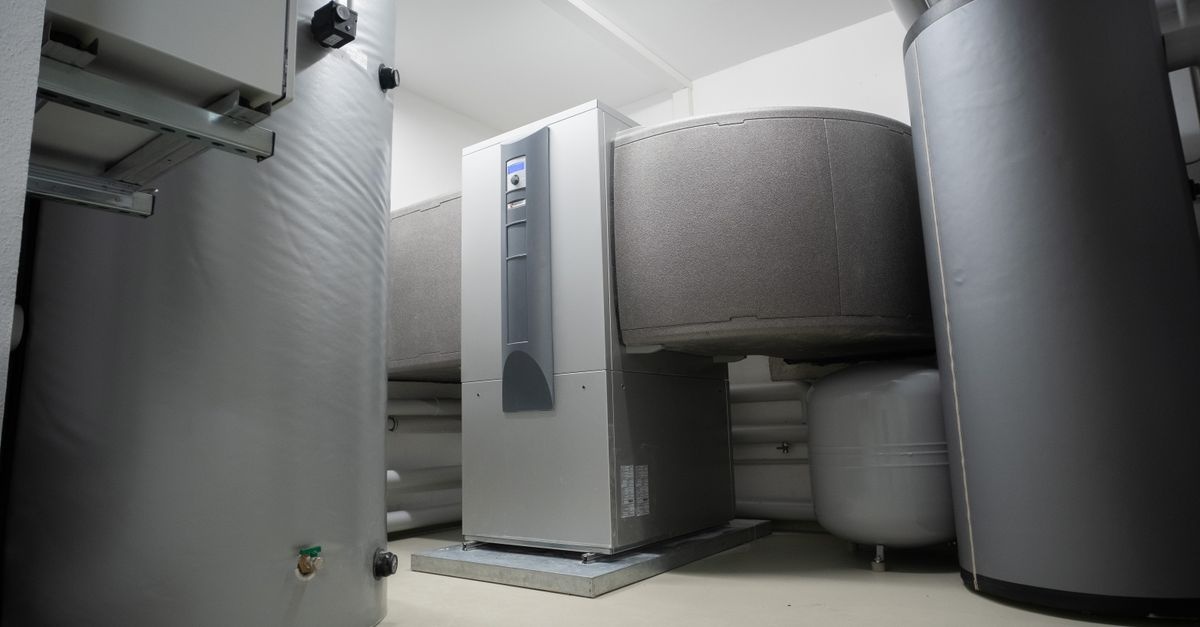
Homeowners across the world are looking for heating and hot water solutions that are efficient, low-carbon, and simple to fit into busy lives and regular homes. Among the options, monoblock heat pumps have become the go-to upgrade for many renovators and new builds alike. These outdoor, all-in-one units strip away installation complexity, reduce refrigerant handling on site, and deliver strong performance in a compact footprint.
In this deep guide, you will learn how monoblock systems work, why they are surging in popularity, how they compare to split systems, the costs and savings you can expect, and what to consider before you buy.
What Is a Monoblock Heat Pump?
A monoblock heat pump (sometimes written monobloc) is an air-to-water heat pump where the entire refrigeration circuit—compressor, expansion device, evaporator, and condenser—is sealed within a single outdoor unit. Instead of running refrigerant lines into the home, the unit connects to the property’s hydronic system with water (or glycol) pipes. Inside, you typically keep a hot water cylinder and, if needed, a small buffer tank or hydraulic accessories.
This design contrasts with a split heat pump, where the outdoor unit and indoor hydrobox are linked by refrigerant lines and must be brazed, pressure-tested, and evacuated on site by a certified refrigerant engineer.
Monoblock at a Glance
- All-in-one outdoor package: Refrigeration loop is factory-sealed for reliability and compliance.
- Hydronic connection to home: Only flow and return water pipes enter the building envelope.
- Flexible indoors: Works with radiators, fan coils, or underfloor heating; pairs with a domestic hot water tank.
- Lower site complexity: Often faster to install and commission than split systems.
- Modern refrigerants: Commonly uses R32 or propane (R290) with improved efficiency profiles.
Monoblock Heat Pump–Why It’s Becoming More Popular
The momentum behind this format is no accident. It’s a convergence of technology improvements, regulatory shifts, and homeowner priorities. Below are the leading drivers of adoption.
1) Simpler Installation and Lower Project Risk
- No on-site refrigerant work: Because the circuit is sealed at the factory, you avoid refrigerant piping, vacuuming, and charging on site—reducing time, cost, and the potential for leaks.
- Fewer trades to coordinate: Many projects can be completed by a heating installer without requiring a separate refrigeration contractor.
- Predictable timelines: With fewer specialized steps, installations are more repeatable, often shortening lead time from quote to warm home.
2) Strong Performance in Real Homes
Advances in inverter-driven compressors, larger coils, smarter defrost algorithms, and better control logic have dramatically improved seasonal performance. Many modern units achieve SCOP values above 3 in temperate climates, even when paired with radiators.
3) Policy and Regulatory Tailwinds
- Electrification policies: Many regions offer grants, rebates, or tax incentives for heat pumps to reduce carbon emissions and dependence on fossil fuels.
- F-gas and refrigerant rules: By keeping refrigerant sealed outside the home, monoblocks help simplify compliance and reduce on-site handling of regulated gases.
4) Space-Savvy for Modern Living
- Minimal indoor footprint: Aside from a cylinder and optional buffer, you typically free up valuable interior space compared to older boilers with flues and storage tanks.
- Clean aesthetics: A single, compact outdoor unit keeps the indoor space uncluttered—popular in apartments, townhouses, and small-footprint homes.
5) Smart-Home Ready
- Connected controls: Many monoblocks integrate with Wi‑Fi thermostats, weather-compensated curves, and demand response programs for cheaper off-peak operation.
- PV and battery synergy: Using excess solar generation to heat water or pre-warm the home boosts self-consumption and slashes bills.
6) Lower Total Cost of Ownership
While upfront prices vary by brand and region, the reduced complexity of installation and lower maintenance hurdles often translate to competitive total project cost. When combined with grants and energy bill savings, the payback can be compelling—especially for oil, LPG, or direct electric replacements.
How a Monoblock System Works
Every vapor-compression heat pump moves heat rather than making it by combustion. The cycle pulls low-grade heat from outdoor air and concentrates it for use inside via a hydronic circuit.
- Evaporator: Outdoor coil absorbs heat from ambient air into the refrigerant.
- Compressor: Raises pressure and temperature of the refrigerant vapor.
- Condenser (plate heat exchanger): Transfers heat into the water circuit feeding radiators, underfloor heating, or a hot water tank.
- Expansion device: Drops the refrigerant pressure, readying it to absorb heat again.
Because the condenser is inside the outdoor unit on monoblocks, the home only receives heated water. This is why installers may use a glycol mix in colder climates to prevent freezing in the external hydraulic lines.
Refrigerants and Efficiency
Most current models use R32 or increasingly R290 (propane), the latter offering excellent performance at higher water temperatures with a low global warming potential. The efficiency you feel on your bills is captured as COP (instantaneous) and SCOP (seasonal). A SCOP of 3 means for every 1 kWh of electricity used across the season, 3 kWh of heat were delivered to your home.
Controls That Make the Difference
- Weather compensation: Adjusts water temperature based on outdoor weather, maximizing comfort and efficiency.
- Flow temperature optimization: Lower flow temps boost COP; modern monoblocks modulate to the minimum needed.
- Legionella cycles and DHW priority: Smart scheduling meets hot water needs with minimal disruption to space heating.
Installation Simplified
One reason you’ll hear “Monoblock heat pump–why it’s becoming more popular” from installers is the streamlined workflow. Here’s what a typical retrofit involves:
Typical Steps
- Survey and design: Heat loss calculation, emitter checks, and sizing.
- Outdoor placement: Slab or wall bracket, clear airflow, and service access.
- Hydraulic connections: Flow/return pipes (often insulated), isolation valves, strainer, and magnetic filter.
- Buffer or low-loss header (if needed): Stabilizes flow and reduces cycling, especially with mixed emitter types.
- DHW cylinder: Coiled or dedicated heat pump cylinder sized for recovery rate and household demand.
- Electrical and controls: Dedicated circuit, breaker, and integration with thermostats and weather sensors.
- Commissioning: System fill (water or glycol), purge, pressure checks, parameter setup, and user training.
Timeline and Disruption
Depending on property size and complexity, many monoblock retrofits complete in 2–4 days, with hot water restored quickly. Because there’s no indoor refrigerant circuit to run, wall penetrations and interior works are usually lighter than with split systems.
Cold-Climate Note
In regions that regularly dip below freezing, installers often specify pre-insulated, heat-traced pipes or a glycol mix and position the unit to minimize wind chill. Many monoblocks include built-in frost protection logic and a backup electric heater for extreme conditions.
Performance in Real Winters
Modern monoblocks designed for colder climates maintain strong output at sub-zero temperatures. Variable-speed compressors, larger heat exchangers, and improved defrost cycles reduce downtime and keep rooms comfortable.
Key Concepts
- Bivalent point: The outdoor temperature where backup heat may assist to meet peak load.
- Defrost strategy: Smart, demand-based defrost minimizes energy used and comfort impact.
- Flow temperature control: Oversized emitters or lower set-points raise efficiency without sacrificing comfort.
If replacing a high-temperature boiler and keeping existing radiators, ask your installer to test low-temperature performance. Many properties are comfortable at 45–50°C flow after balancing and minor radiator upgrades, unlocking major efficiency gains.
Energy Efficiency and Operating Costs
Operating cost depends on your local electricity and fuel prices, climate, and system design. Still, some rules of thumb help frame expectations.
Typical Efficiency Ranges
- Space heating SCOP: 2.8–4.5 depending on climate and flow temperatures.
- DHW production: Slightly lower COP than space heating due to higher target temperatures.
Illustrative Cost Example
Imagine a home needing 12,000 kWh of heat per year. With a seasonal performance of 3.2, electricity use for heating is about 3,750 kWh. If electricity costs 0.25 per kWh, annual heating cost is roughly 938. A comparable oil system at 80% efficiency would burn around 1,500 liters annually; at typical prices, yearly spend is often higher than the heat pump scenario. Your mileage will vary, but the direction is consistent: better efficiency translates into lower running costs, especially against oil, LPG, or direct electric.
Solar Integration
Pairing a monoblock with rooftop PV enhances savings. Smart control can prioritize hot water heating when solar output peaks, effectively storing energy thermally. This can reduce grid imports and shield you from price spikes.
Design Considerations for a Great Outcome
A successful project starts with design. Even the best hardware underperforms if poorly specified. Work with an experienced installer who follows recognized design standards.
1) Heat Loss and Sizing
- Room-by-room heat loss: Determines required emitter output and flow temperatures.
- Right-sized unit: Avoid oversizing that causes short cycling; choose inverter-driven models for modulation.
2) Emitters and Flow Temperatures
- Underfloor heating: Ideal partner with low flow temps (30–40°C) and high comfort.
- Radiators: May need upsizing or adding panels to run comfortably at 45–55°C.
- Fan coils: Compact units that deliver good output at lower water temps.
3) Domestic Hot Water
- Cylinder sizing: 180–300 liters for typical families, depending on morning and evening draw-off patterns.
- Coil design: Large heat pump coils improve recovery; anti-legionella cycles are managed by the controller.
4) Hydraulics and Accessories
- Buffer or no buffer: Some systems run bufferless using flow control; mixed emitters may benefit from a small buffer.
- Filters and dirt separators: Protect the plate heat exchanger and pumps.
- Weather-compensated curves: Dialed-in curves maximize seasonal efficiency and stable comfort.
5) Acoustics and Placement
- Sound levels: Look for low dB(A) ratings and nighttime quiet modes if close to bedrooms or neighbors.
- Airflow clearance: Avoid enclosing the unit; provide intake and discharge paths free of obstructions.
- Vibration control: Use anti-vibration mounts and flexible connectors.
Monoblock vs Split: Choosing the Right Format
Both formats can deliver excellent results. The better choice depends on your property and installer ecosystem.
When Monoblock Shines
- Faster, simpler installation: Ideal when project time is tight or refrigerant-certified labor is scarce.
- Lower indoor space demand: Only a cylinder and compact accessories indoors.
- Regulatory simplicity: Refrigerant sealed outdoors eases compliance and future servicing.
When Split May Fit Better
- Very long pipe runs: Refrigerant lines can sometimes go farther than practical water runs.
- Freeze-risk constraints: If external hydronic lines are hard to protect, keeping water fully indoors can appeal.
- Specific local codes or site factors: Some sites are simply more convenient for a split arrangement.
Myths and Misconceptions
- Myth: Heat pumps only work in mild climates. Reality: Cold-climate models thrive well below freezing with the right design and emitters.
- Myth: You need underfloor heating. Reality: Many homes use radiators successfully by optimizing flow temps and sizing.
- Myth: Installation always takes weeks. Reality: Monoblock projects often complete in a few days.
- Myth: They are noisy. Reality: Modern units are engineered for quiet operation, and placement strategy further reduces impact.
Incentives, Standards, and Future Trends
Heat pumps are central to many national decarbonization plans. Incentives—grants, rebates, zero-interest loans—are increasingly common, particularly for replacing oil or LPG systems. Look for standards such as MCS (in the UK) or equivalent local quality schemes that ensure design and commissioning best practices.
On the technology front, expect more propane (R290) models offering higher water temperatures, deeper integration with smart tariffs, and tighter coupling with solar PV and batteries to store energy thermally and minimize grid costs.
Maintenance and Reliability
With the refrigeration loop sealed at the factory, ongoing upkeep focuses on the hydronic side and general mechanical checks.
- Annual service: Clean strainers/filters, verify pressures, test safety devices, and review control settings.
- Water quality: Inhibitors and proper flushing extend component life.
- Firmware updates: Keep controls current for performance tweaks and bug fixes.
Many manufacturers now offer extended warranties and remote diagnostics. Combined with fewer site-made joints, this all-in-one format can reduce callouts over the long term.
Buying Checklist
- Load calculation: Get a room-by-room heat loss and DHW profile.
- Emitter plan: Confirm flow temps and any radiator upgrades needed.
- Noise and siting: Check local noise limits; plan clear airflow.
- Cold-weather strategy: Decide on glycol, heat trace, or protection measures.
- Controls: Weather compensation, remote app, tariff-aware scheduling.
- Incentives: Pre-approve grants or rebates to lock in savings.
- Installer credentials: Choose certified teams with verifiable references.
Real-World Snapshots
Case Study 1: Oil-to-Monoblock in a Rural Home
A 160 m² detached house replaced an aging oil boiler with a 10 kW monoblock. Two radiators were upsized; weather compensation set to a 45–50°C flow at design temp. First season SCOP: 3.3. Bills dropped by roughly 30% despite higher electricity rates, with quieter operation and no fuel deliveries.
Case Study 2: Townhouse with Underfloor Heating
A compact 120 m² townhouse used low-temperature underfloor on the ground floor and radiators upstairs. A 7 kW monoblock handled both via mixed circuits and a small buffer tank. SCOP measured at 3.8 across the heating season, with PV further cutting grid imports.
Case Study 3: Cold-Climate Retrofit
In a region with winter lows to −15°C, a 12 kW cold-climate monoblock supported by a 3 kW immersion achieved a seasonal performance of 2.9. Careful siting and a robust defrost strategy kept comfort stable even during cold snaps.
Frequently Asked Questions
Do monoblock heat pumps work with existing radiators?
Often yes. Many homes can run at lower flow temperatures after balancing and selective radiator upgrades. Your installer should verify room-by-room outputs.
How long is a typical installation?
Two to four days for many retrofits, including commissioning. Complexity varies by property and scope of emitter changes.
What about hot water?
Monoblocks pair with a cylinder designed for heat pumps. The system can prioritize DHW production and manage regular hygiene cycles.
What makes a monoblock different from a split system?
The refrigeration circuit is sealed outdoors, and only water lines enter the property. This cuts on-site refrigerant work and can simplify compliance and maintenance.
Is it true that monoblocks are becoming more popular?
Yes. Simpler installs, strong performance, policy support, and smart-home integration are the main reasons. For many homeowners, these advantages add up to faster projects and lower total cost of ownership.
The Bottom Line
If you are researching an upgrade and wondering about a monoblock heat pump—why it’s becoming more popular and whether it suits your home—the answer often comes down to ease plus efficiency. By keeping the complex refrigeration work sealed in a single outdoor unit, these systems reduce installation time and risk while delivering excellent comfort and year-round performance. Match the unit to a thoughtful design—right-sized, weather-compensated, and paired with suitable emitters—and you will unlock the full promise of low-carbon, cost-effective heating for the next decade and beyond.
Quick Takeaways
- All-in-one convenience: Factory-sealed refrigeration simplifies installation.
- Efficient comfort: Seasonal performance often 3x or more the input energy.
- Future-ready: Smart controls, tariff awareness, and easy PV integration.
- Retrofit-friendly: Works with radiators or underfloor; minimal indoor footprint.
- Policy-aligned: Incentives and regulations favor efficient electrification.
With the right installer and design, a monoblock heat pump can be the most straightforward path to cleaner, quieter, and cheaper home comfort.