Blazing afternoon light, reflective heat from glass and concrete, gusty winds, and cramped planters all conspire to make balconies some of the toughest places to garden. Yet with the right palette of resilient species, smart container choices, and water-wise techniques, you can transform a sun-baked ledge into a thriving retreat. This guide dives deep into plant picks, potting mixes, design tips, and maintenance routines for sunny, low-water balconies—so you get bold color, fragrance, and texture without the high-maintenance grind. If you have been hunting for drought-tolerant balcony plants and creative ways to style them, you are in the right place. Consider this your complete roadmap to heat-proof balcony bliss.
Why Full Sun Plus Little Water Is a Balcony Challenge
Balconies create their own microclimates: hot, bright, and often windy. Understanding these constraints helps you select plants and techniques that truly thrive—not just survive.
Microclimates: The Real Boss of Your Balcony
- Reflected heat: Nearby glass, metal railings, and pale walls bounce sunlight and intensify UV exposure.
- Wind tunnels: High-rises or corridor-like balconies amplify desiccating winds that wick moisture from leaves and soil.
- Heat islands: Urban settings store and radiate warmth long after sundown, stressing shallow-rooted plants.
Container Constraints
- Limited soil volume: Pots heat up fast and dry out quickly, and roots cannot reach deeper moisture reserves.
- Drainage trade-offs: You need fast-draining media to prevent rot, but that can dry faster under extreme sun.
- Weight limits: Large containers are ideal for moisture stability, but balconies have load restrictions—always check building guidance.
Sun Intensity and Reflective Surfaces
Six to eight hours of direct sun on a balcony often feels more intense than ground-level gardens. That is why plants chosen for these conditions should be proven heat and drought survivors in containers, not just in-ground.
Core Principles of Heat-Proof Balcony Gardening
Success starts with a strategy that prioritizes root comfort, moisture management, and airflow.
1) Choose the Right Containers
- Material matters: Glazed ceramic and high-quality resin retain moisture better than thin metal. Terracotta breathes but dries fast—use it for true succulents or double-pot to insulate.
- Color counts: Light-colored pots reflect heat; dark pots absorb it and can overheat roots.
- Size up: Larger volumes buffer against temperature swings and extend time between waterings.
- Self-watering options: Sub-irrigated planters (SIPs) with reservoirs keep roots hydrated without frequent top-ups.
2) Dial in a Gritty, Water-Wise Potting Mix
For most sun lovers, use a fast-draining, moisture-balancing mix that resists compaction:
- Standard blend for heat lovers (non-succulents): 50% high-quality peat-free potting mix or coir, 25% compost, 25% pumice or perlite. Add 1–2% biochar to buffer nutrients and enhance microbe activity.
- Succulents and cacti: 40% cactus mix, 40% pumice/perlite, 20% gritty sand or small lava rock. Keep organic content low.
- Mulch top-dress: 1–2 cm layer of gravel or tumbled pebbles reduces evaporation and deters fungus gnats.
3) Water Deeply, Infrequently
- Deep soaks: Water until it drips from the drain holes, then let the top 2–5 cm dry (more for succulents) before watering again.
- Morning is best: Plants face the day's heat with full hydration; less loss to evaporation.
- Pinch test + meter: Use your finger or a simple moisture meter to avoid guesswork.
4) Feed Lightly
- Slow-release, low-salt fertilizers: Apply a balanced, slow-release formula at planting, then supplement lightly mid-season.
- Herbs and succulents: Minimal feeding keeps flavors concentrated and growth compact.
5) Protect Roots From Extreme Heat
- Double-potting: Slip a smaller pot inside a larger cachepot with air gap for insulation.
- Raise pots: Use pot feet for airflow and to prevent heat transfer from hot floors.
- Temporary shade: Clip-on shade cloth during heatwaves from noon to 4 pm for tender plants.
6) Prune, Deadhead, and Refresh
Regularly remove spent blooms and leggy stems to trigger new growth. Trim herbs frequently; use those cuttings in the kitchen or to root more plants.
Plant Profiles: Sun-Loving, Water-Wise Winners
Below are resilient, container-proven species that deliver color, scent, and structure in fierce sun with modest irrigation. These are the backbone for anyone seeking water-wise container gardening and practical drought-tolerant balcony plants.
Succulents and Cacti
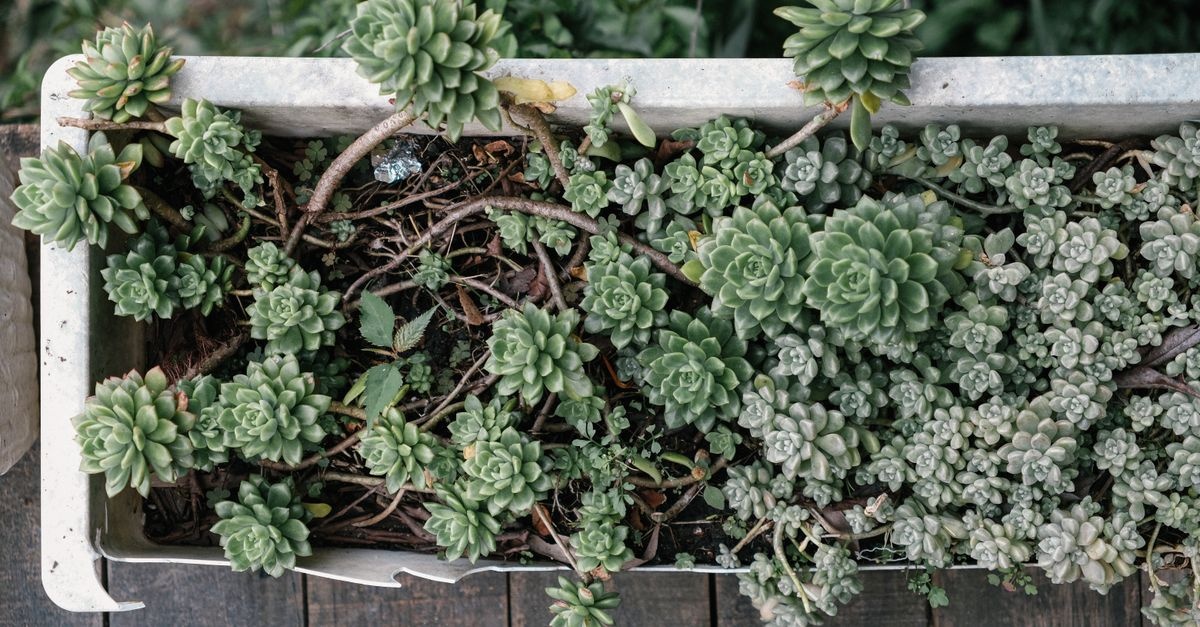
- Sedum (Stonecrop): Compact, colorful rosettes and trailing forms thrive in shallow pots. Great for edging and spillers. Needs sharp drainage.
- Echeveria: Sculptural rosettes in silvers, blues, and pinks. Avoid overhead watering; remove lower leaves for airflow.
- Portulaca (Moss Rose): Vivid single or double blooms all summer. Loves heat, shrugs off drought, perfect for rail planters.
- Sempervivum (Hens and Chicks): Hardy rosettes multiply quickly. Top-dress with gravel; minimal feeding.
- Opuntia (Prickly Pear) – dwarf forms: Dramatic pads, edible fruit in some cultivars. Handle with care; ensure a very gritty mix.
- Aloe (dwarf species): Sun-tolerant and architectural. Let the soil dry almost fully between waterings.
Mediterranean Herbs (Edible, Fragrant, and Tough)
- Rosemary (upright or prostrate): Heat-loving, wind-tolerant, and aromatic. Perfect as a small balcony hedge or cascading accent.
- Thyme (creeping and common): Dense mats that spill beautifully. Intensifies in flavor with lean soils and full sun.
- Lavender (English, French, or Spanish types): Fragrance, silvery foliage, and pollinator appeal. Needs excellent drainage.
- Oregano and Marjoram: Excellent for cooking; keep trimmed to prevent legginess.
- Sage (Salvia officinalis): Velvety leaves, drought-hardy, and ornamental blooms. Avoid over-fertilizing.
Flowering Powerhouses for Full Sun
- Lantana: A champion in heat and glare, with nectar-rich clusters for butterflies. Choose compact varieties for pots.
- Gazania: Daisies that open in sun; thrives in lean, sandy substrates. Low water once established.
- Verbena: Trailing habit with continuous blooms. Appreciates deadheading and good airflow.
- Gaillardia (Blanket Flower): Warm tones, long bloom season, handles poor soil and drought.
- Coreopsis: Cheerful, heat-proof daisies. Shear mid-season for a second flush.
- Zinnia (Profusion and Zahara series): Compact, mildew-resistant, sun addicts. Water at soil level to avoid leaf spots.
- Salvia (nemorosa, microphylla, greggii): Spikes that draw bees and hummingbirds; very tolerant of heat and light drought.
- Pelargonium (Zonal and Ivy Geraniums): Reliable in sun and wind; let soil dry between waterings.
- Cuphea (Mexican Heather, Cigar Plant): Continuous flowers, good in glare, bounces back from brief dry spells.
Ornamental Grasses and Strappy Accents
- Festuca glauca (Blue Fescue): Icy blue tufts add contrast; prefers well-drained soil and full sun.
- Lomandra (dwarf varieties): Ultra-tough, evergreen strappy foliage; tolerates wind and drought.
- Phormium (dwarf flax cultivars): Bold, architectural swords; water deeply but sparingly.
- Pennisetum setaceum 'Rubrum' (Purple Fountain Grass): Heat-loving with feathery plumes; needs less water than most annual grasses once settled.
Container-Friendly Shrubs and Woody Accents
- Santolina (Lavender Cotton): Sun, heat, and poor soils are no problem. Silvery foliage, button blooms.
- Cistus (Rockrose): Solar-powered blooms, thrives in lean, fast-draining media.
- Oleander (dwarf forms): Spectacular flowers in fierce sun; drought-tough. Note: all parts are toxic—avoid if children or pets have access.
- Bougainvillea (dwarf/compact): Iconic bracts, adores heat, prefers slightly tight roots and lean feeding.
- Rosemary (woody shrub forms): Pull double duty as edible and ornamental privacy edges.
Edibles That Like It Hot (With Moderation on Water)
- Chili Peppers: Sun worshippers; slight water stress can boost heat and flavor.
- Cherry Tomatoes (compact or determinate): Require consistent but not excessive watering; excellent in sub-irrigated planters.
- Dwarf Olive: Classic Mediterranean accent; prefers heat and bright light, minimal water once established.
- Dwarf Fig: Thrives in large containers; tolerates short dry spells but appreciates deep, infrequent soaks.
Climbers for Heat and Light Dry Spells
- Star Jasmine (Trachelospermum jasminoides): Fragrant summer blooms, tolerates heat and some drought once established.
- Dwarf Bougainvillea on Trellis: Use as a vertical accent; low water after rooting in.
Design Strategies: Style That Loves the Sun
Layer texture, color, and form to get resort-level impact with minimal upkeep.
The Thriller–Filler–Spiller Formula (Water-Wise Edition)
- Thriller: Dwarf Phormium, purple fountain grass, or compact rosemary as the vertical anchor.
- Filler: Lantana, verbena, coreopsis, or salvia for season-long color.
- Spiller: Trailing sedum, portulaca, ivy geranium, or creeping thyme to soften edges.
Palette Ideas for Sun-Baked Spaces
- Coastal Cool: Lavender, blue fescue, echveria in silver/blues, white-flowering verbena, white ceramic pots.
- Tropical Heat: Bougainvillea, lantana (hot oranges/pinks), purple fountain grass, dark resin planters.
- Mediterranean Kitchen: Rosemary standards, thyme, sage, oregano, olive in a tall urn; gravel mulch for a villa vibe.
Vertical and Rail Solutions
- Rail planters: Portulaca, verbena, trailing sedum shine in shallow, sunny boxes.
- Wall pockets: Sempervivum and small echeveria in breathable felt pockets; water sparingly.
- Trellises: Star jasmine or dwarf bougainvillea give height without hogging floor space.
Wildlife-Friendly in Full Sun
- Pollinator magnets: Lantana, salvia, verbena, and lavender feed bees and butterflies.
- Water dish: A shallow saucer with pebbles offers safe sips for pollinators during heatwaves.
Water-Wise Irrigation for Balconies
Even plants that relish sun need smart hydration. Combine practical tools with good habits to reduce waste and stress.
Sub-Irrigated Planters and Wicks
- Built-in reservoirs: Keep moisture steady at the root zone without soggy surfaces.
- Wick systems: Cotton wicks or capillary mats connect pots to a hidden reservoir; perfect for vacations.
Drip on a Timer
- Battery or solar timers: Deliver precision in the early morning, especially for mixed containers.
- Adjustable emitters: Give thirstier plants a bit more, succulents a bit less.
Ollas and DIY Bottles
- Ollas: Porous clay vessels buried in the pot slowly release water; great for herbs and tomatoes.
- Bottle spikes: An interim solution; test flow to avoid over-saturation.
Graywater Caution
If reusing household water, stick to plant-safe, low-sodium soaps. Avoid harsh cleaners and hot water that can scald roots.
Potting Mix Recipes and Shopping List
DIY Mixes
- All-purpose sun-lover mix: 1 part coir, 1 part compost, 1 part pumice or perlite; pinch of biochar and slow-release fertilizer.
- Succulent blend: 2 parts cactus mix, 2 parts pumice/lava rock, 1 part gritty sand.
Supplies
- Light-colored, insulated or double-walled pots
- Gravel or pebbles for top-dress
- Slow-release fertilizer (balanced, low salts)
- Moisture meter and clean watering can
- Clip-on shade cloth for heatwaves
- Drip kit or sub-irrigated planters for consistency
Care Calendar for Sun-Drenched Balconies
Spring
- Set up containers: Refresh 30–50% of potting mix annually; check drainage.
- Plant selection: Combine structural evergreens with seasonal bloomers.
- Feed lightly: Mix slow-release fertilizer into the top layer.
Summer
- Morning watering: Deep, infrequent soaks; double-check rail planters which dry fastest.
- Deadhead weekly: Keep color coming; trim herbs for bushiness.
- Heatwave protocol: Temporary midday shade for tender plants; pause feeding during extreme heat.
Fall
- Shear and tidy: Remove tired annuals, take cuttings of favorites like rosemary and salvia.
- Reduce watering: As temperatures drop, soil stays moist longer.
Winter
- Protect roots: Move pots away from edges; cluster for warmth; insulate with bubble wrap if needed.
- Water sparingly: Especially for succulents—keep them nearly dry.
- Light management: Rotate pots for even sun if access changes seasonally.
Troubleshooting a Sun-Baked Balcony
Leaf Scorch vs. Underwatering vs. Overwatering
- Scorch: Bleached patches on sun-exposed leaves. Provide midday shade temporarily and improve airflow.
- Underwatering: Wilting that perks up after deep watering, crispy leaf edges. Adjust schedule and increase mulch.
- Overwatering: Yellowing, mushy stems, fungus gnats. Increase drainage and let soil dry more between soaks.
Root Zone Overheating
- Symptoms: Stalled growth, midday droop despite moist soil.
- Fixes: Light-colored pots, double-potting, pot feet, and afternoon shade on extreme days.
Wind Desiccation
- Shield: Lattices or clear acrylic windbreaks reduce stress while preserving light.
- Plant choice: Low, mounding forms like thyme, lantana, and sedum handle gusts well.
Pests That Love Dry Heat
- Spider mites and whiteflies: Increase humidity briefly with a gentle morning rinse; use neem or insecticidal soap on outbreaks.
- Prevention: Avoid lush, over-fertilized growth; give plants space and airflow.
Salt Buildup in Containers
- Clues: Crusty white residue on soil or pot rims; leaf tip burn.
- Remedy: Monthly flush: water pots heavily until runoff is clear, then resume normal schedule.
Balcony Microclimate Recipes
Match your plant palette to your specific conditions for the best results.
South-Facing, Urban, 8+ Hours of Sun (High Reflective Heat)
- Anchors: Dwarf phormium or purple fountain grass for vertical drama.
- Color: Lantana, gaillardia, and verbena for relentless bloom.
- Texture: Blue fescue and silvery lavender to cool the palette.
- Spillers: Portulaca and trailing sedum for drought-proof edges.
- Containers: Light-colored resin with gravel mulch.
Windy High-Rise with All-Day Sun
- Anchors: Compact rosemary and lomandra—both wind-hardy.
- Bloomers: Salvia nemorosa, coreopsis, and cuphea (sturdy stems, continuous color).
- Protection: Lattice windbreak plus pot feet to reduce heat transfer.
Morning Sun, Hot Afternoons in Bright Shade
- Palette: Lavender, pelargoniums, and thyme (still love bright conditions).
- Accent: Echeveria rosettes and blue fescue for structure.
- Water: Slightly less frequent due to afternoon shade retention.
Arid vs. Humid Climates
- Arid: Increase mulch depth, prioritize succulents and Mediterranean herbs; consider SIPs for edibles.
- Humid: Boost airflow, choose disease-resistant zinnias (Profusion/Zahara), avoid over-dense plantings.
Putting It Together: Sample Containers
Container 1: Mediterranean Kitchen Box
- Thriller: Rosemary (upright)
- Fillers: Lavender, sage
- Spillers: Creeping thyme, oregano
- Notes: Gravel mulch, minimal feed, deep soaks every 7–10 days depending on heat.
Container 2: Sunset Fireworks
- Thriller: Purple fountain grass
- Fillers: Lantana (orange/red), gaillardia
- Spiller: Portulaca in matched warm tones
- Notes: Full sun, heatwaves welcomed; keep mix gritty.
Container 3: Cool Coastal Calm
- Thriller: Dwarf phormium (silver/green)
- Fillers: Verbena (white), lavender
- Spiller: Sedum (blue-gray)
- Notes: Light ceramic pots, top-dressed with white gravel.
Safe and Smart: Practical Considerations
- Weight limits: Wet soil is heavy. Use resin or fiberglass planters and pumice to lighten mixes.
- Runoff management: Use saucers with risers or trays to protect neighbors below; do not let roots sit in standing water.
- Toxicity checks: Avoid oleander and euphorbias if kids or pets have access.
- Local rules: Some buildings limit rail boxes or drip systems; verify before installing.
Frequently Asked Questions
How many times per week should I water?
It depends on pot size, mix, plant type, wind, and heat. As a rule: deeply once or twice weekly for mixed sun-lovers, and every 10–21 days for true succulents—always verify with a moisture check.
Do self-watering planters work in full sun?
Yes—especially for edibles, lantana, and verbenas. Keep the reservoir filled, use a gritty mix, and avoid constantly saturated wicks for succulents.
Can I get constant bloom in extreme heat?
Choose proven performers: lantana, verbena, gaillardia, coreopsis, and zinnias. Deadhead weekly, feed lightly mid-season, and shelter during record heat.
What about balconies with reflected glare from glass?
Pick silver-foliage plants (lavender, santolina), grasses (blue fescue, fountain grass), and heat-proof bloomers (lantana, gazania). Use light pots, gravel mulch, and occasional midday shade cloth during heat spikes.
Can I grow food with low water?
Yes—focus on herbs, chilis, and dwarf olives. Tomatoes are doable with sub-irrigated planters and deep, infrequent soaks.
Putting the Keyword Into Practice
If you are mapping out Drought‑resistant plants for sunny balconies, start with a resilient backbone: rosemary, lavender, lantana, verbena, and blue fescue. Add sculptural succulents like echeveria or sempervivum, then weave in trailing portulaca or sedum. Use resin pots, gritty mixes, and morning soakings. The same recipe scales from a single rail planter to a full balcony makeover.
Pro Tips to Maximize Beauty and Minimize Work
- Pre-hydrate mixes: Moisten potting media before planting for better root contact.
- Plant tight, water right: Slightly denser plantings shade soil and cut evaporation—just maintain airflow.
- Rotate displays: Keep showiest pots at eye level; rotate every few weeks for even sun.
- Propagate your success: Root cuttings of salvia, rosemary, and thyme to expand your garden for free.
Conclusion: Your Sun-Soaked Oasis Awaits
When you combine resilient species, smart containers, gritty mixes, and efficient watering, even the harshest balcony becomes a place of effortless color and calm. From succulents that store their own water to Mediterranean herbs that perfume hot evenings, your plant palette can be both beautiful and bulletproof. Whether you are curating a single statement container or building an entire rail-to-ceiling display, these strategies deliver lasting results for sun-loving, water-wise balconies. Start small, learn your microclimate, and savor the transformation.
Keyword Integration Note
This guide naturally incorporates the concept of Drought‑resistant plants for sunny balconies alongside related phrases such as drought-tolerant balcony plants, water-wise container gardening, heat-loving flowers for full sun, and xeric container designs. The result is a balanced, readable resource that prioritizes your success over keyword repetition—while still helping you find exactly what you came for.