No-Spend Makeover: Transform Your Space with What You Already Have is more than a trend—it’s a mindset. When budgets are tight or you simply prefer to live more intentionally, there are countless interior changes that cost nothing and still deliver a major impact. With fresh eyes, a dash of creativity, and a willingness to rearrange, repurpose, and restyle, you can reinvent any room in your home—today.
Why a No-Spend Makeover Works
Constraints can be a catalyst for creativity. Limiting yourself to interior changes that cost nothing pushes you to look more closely at what you already have, discover hidden potential, and make better use of every piece. This approach is also deeply satisfying: you’re not only saving money, you’re reconnecting with your belongings and choosing what truly supports your lifestyle.
- Sustainability first: Using what you own reduces waste, conserves resources, and extends the life of your pieces.
- Immediate gratification: No shipping times, no assembly manuals—just instant results from smart swaps and rearrangements.
- Personal meaning: You curate a space that reflects your story, using sentimental items, souvenirs, and familiar textures.
- Skill building: Styling, editing, and arranging are design muscles that strengthen with practice.
Ground Rules for a Zero-Budget Refresh
Before you start moving furniture, set simple rules that guide the process and help you identify interior changes that cost nothing yet deliver high value.
- Define the purpose of each room: Decide what activities should happen there. Design follows function.
- Inventory your home: Walk room to room and list rugs, baskets, art, lamps, mirrors, trays, books, textiles, and seasonal decor that could migrate.
- Declutter first: Editing is the fastest free upgrade. Remove anything broken, unused, or visually heavy. Box it up for rotation or donation later.
- Shop your home: Treat your closet, garage, and cabinets like a design studio. The best finds are often hiding in plain sight.
- Commit to experimentation: Try at least three arrangements before deciding. Take quick photos to compare objectively.
- Focus on flow: Ensure pathways are clear, doors open fully, and seating invites conversation.
Shop Your Home Like a Designer
Designers constantly “pull” from prop libraries. You can do the same with items you already own, unlocking interior changes that cost nothing and feel fresh.
- Create a staging zone: Clear a table or a section of the floor and gather candidates: vases, trays, candles, bowls, books, textiles, frames, baskets, branches, and curiosities.
- Group by color and material: Sorting makes it easier to style coherent vignettes and build color stories.
- Think in layers: Start with base (rugs, larger furniture), then add anchors (lamps, art), then accents (books, plants), then finishing touches (textiles and small decor).
- Borrow with intention: Move pieces between rooms to fix problems—an underused mirror in the hallway may be perfect above the living room console.
Room-by-Room Strategies
Every space offers opportunities for interior changes that cost nothing. Use these targeted ideas to refresh quickly and effectively.
Living Room: Conversation, Comfort, and a Clear Focal Point
The living room sets the tone for your home. If it feels cluttered or disjointed, start with flow and focal points.
- Anchor the seating: Center your sofa toward a focal point—the fireplace, a window, or a large piece of art. Pull furniture off the walls to create intimacy.
- Rug re-think: If your rug is too small for the living room, move it to a bedroom and try a larger one from elsewhere. No rug? Try layering blankets or quilts beneath the coffee table for texture.
- Visual calm: Remove one piece of furniture. Negative space is a powerful design tool and an example of interior changes that cost nothing but yield instant clarity.
- Symmetry for balance: Flank the sofa with lamps or side tables from different rooms to build harmony without purchasing new pieces.
- Shop your bookshelf: Stack books as pedestals for a lamp or vase; cluster similar-colored spines for a cohesive palette.
Bedroom: Rest, Ritual, and Soft Transitions
The bedroom thrives on calm, layered textures, and personal meaning.
- Foot-of-bed moment: Bring in a bench or a trunk from the entry or living room. A simple swap adds function and visual finish.
- Textile rotation: Layer a living room throw over the duvet, swap pillow covers with sofa cushions, or flip the comforter for a new color emphasis.
- Nightstand edit: Keep only three items: a lamp, a book, and a small plant or dish. Corral extras on a tray for an instant upgrade.
- Art re-locate: Move a meaningful piece above the headboard. The bed wall deserves the best view.
Kitchen: Surfaces, Stations, and Everyday Beauty
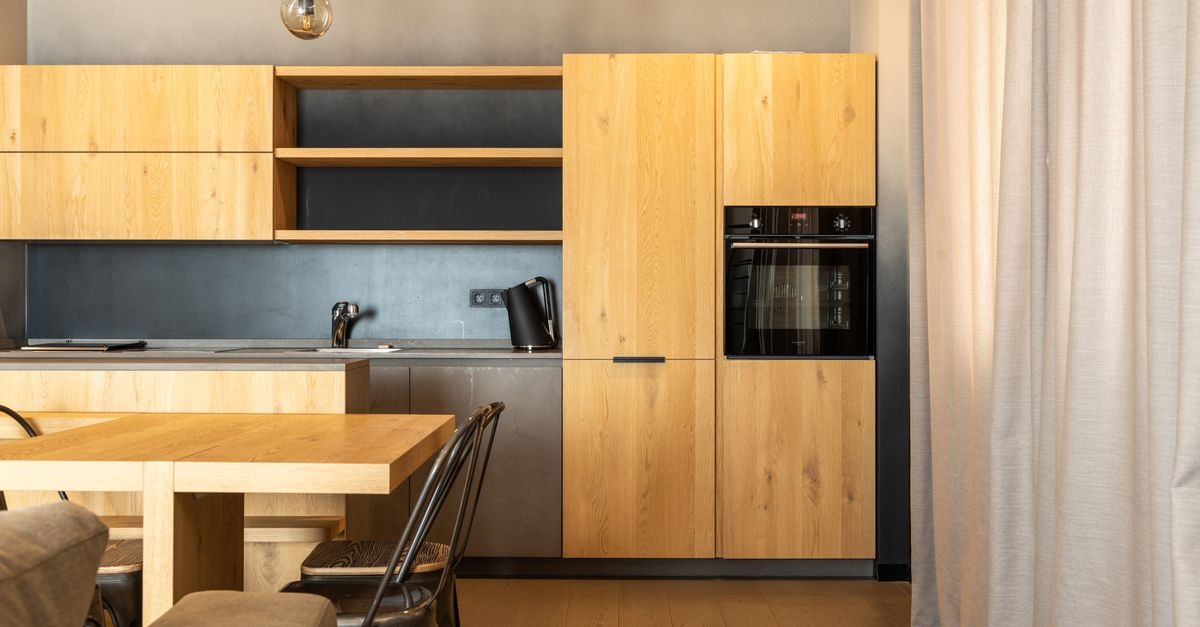
In kitchens, clarity and accessibility dominate. Interior changes that cost nothing focus on decluttering and elevating daily tools into display-worthy objects.
- Counter cleanse: Remove everything, then add back only essentials. Group by function: coffee station, prep zone, and cooking tools.
- Open-shelf styling: Arrange by color or material—white ceramics together, clear glassware as a light-catching display.
- Tray trick: Use a cutting board or baking sheet as a tray for oils, salt, and pepper near the stove—visual order, zero cost.
- Functional centerpiece: Fill a bowl with lemons or onions; prop a cookbook open to a favorite page.
Bathroom: Spa Vibes from Stock at Home
Bathrooms benefit from subtle, sensory interior changes that cost nothing that convey freshness and care.
- Towel upgrade: Use your best towels and fold them uniformly. Roll extras into a basket for a boutique feel.
- Decant without buying: Repurpose glass jars for cotton rounds and bath salts; group on a plate or tray.
- Green touch: Add a clipping of greenery in a bud vase; even a branch from the yard brings life.
- Scent reset: Relocate a candle from the living room; keep matches handy for a nightly ritual.
Entryway: First Impressions and Friction Reduction
Optimize transitions. When leaving or returning is easier, life flows better.
- Drop zone: Use a bowl from the kitchen as a key catch-all; place a small basket for mail and a hook for masks or dog leashes.
- Mirror magic: Move a mirror here to bounce light and encourage last-minute checks.
- Welcome mat swap: Rotate indoor/outdoor rugs to the entry for texture and color.
Home Office: Focus, Framing, and Frictionless Work
Clarity fuels productivity. Interior changes that cost nothing can dramatically impact your day-to-day output.
- Camera-ready corner: Move a plant, art piece, or bookshelf behind your chair to create a professional video backdrop.
- Cable control: Use binder clips to guide cords; hide power strips behind books or boxes.
- Task zoning: Keep only current project materials on the desk; relocate archives to a labeled box.
- Light shift: Place your desk near a window for natural light and sky views to reduce fatigue.
Layout and Flow: Furniture Arrangement as a Free Superpower
Strategic rearrangement is the essence of interior changes that cost nothing. Even small tweaks influence how a room feels.
- Pathways first: Ensure 30–36 inches of walkway. If space is tight, angle furniture to create diagonal flow.
- Focal point clarity: Choose one: a window, fireplace, large plant, or artwork. Align seating and lighting to celebrate it.
- Scale and balance: Pair one large piece with two medium or several small accents; avoid clustering all big items on one side of the room.
- Zoning with rugs or furniture: Use rugs, back-of-sofa placement, or a console to define areas for dining, reading, or working.
Style with Textiles You Already Own
Textiles are the easiest tools for interior changes that cost nothing. They shift color, warmth, and mood quickly.
- Swap pillow covers: Move cushions between rooms; mix solids with subtle patterns for calm energy.
- Layer throws: Drape a throw diagonally across an armchair; fold another at the sofa’s center for symmetry.
- Rug rotation: Flip reversible rugs; rotate 180 degrees to even wear and refresh the vantage point.
- Repurpose textiles: Use scarves as table runners; fold a blanket at the foot of the bed to echo colors elsewhere.
Art and Walls: Curate, Cluster, and Create
Walls are your gallery. Rehanging is one of the simplest interior changes that cost nothing with outsized payoff.
- Gallery wall refresh: Swap frames between rooms; add postcards, children’s art, or fabric swatches to diversify scale and texture.
- Single statement: Choose one oversized piece for calm. Relocate smaller art to a hallway or office.
- DIY from existing: Frame pressed leaves, maps, or sheet music you already have. Paint your own abstract on leftover paper or cardboard.
- Mirror relocation: Move a mirror to reflect a window or plant; it doubles light and greenery.
Lighting Without Buying: Bounce, Layer, and Re-aim
Light defines atmosphere. Strategic repositioning yields interior changes that cost nothing and feels transformative.
- Three layers: Aim for ambient (overhead or wall wash), task (reading lamps), and accent (candles, backlighting art). Rearrange lamps to complete the trio.
- Reflect and diffuse: Place lamps near light walls or mirrors; top a lamp with a lighter shade from another room to soften output.
- Shade swaps: Trade lamp shades between rooms to alter style and brightness.
- Window tuning: Remove heavy drapes during daylight; tie back curtains symmetrically for a tidy, bright frame.
Color and Sensory Micro-Changes
You don’t need paint to shift a palette. Consider these interior changes that cost nothing to adjust color and feel.
- Borrowed color: Pull a color from art or a rug into pillows, throws, or books for cohesion.
- Monochrome moments: Group similarly colored objects on a shelf for a museum-like vignette.
- Seasonal swap: Warm tones and heavy textures in colder months; crisp neutrals and light linens in warmer months—rotate from your own stash.
- Scent ritual: Move an existing candle to the entry, simmer citrus peels, or place a sachet in the closet for an invisible refresh.
DIY Quick Fixes Using Only What You Own
Small, hands-on projects deliver big impact and embrace interior changes that cost nothing.
- Handle refresh: Swap knobs and pulls between rooms to change styles—glossy in the bath, matte in the office.
- Tray transforms: Use a picture frame as a tray; line it with fabric or wrapping paper you already have.
- Chair shuffle: Mismatch dining chairs intentionally by borrowing from a desk or vanity for eclectic charm.
- Poster to headboard art: Mount fabric or a scarf over the bed with clips or a curtain rod you already own.
- Plant propagation: Root cuttings in jars for fresh greenery at no cost.
Greenery and Natural Elements
Nature is the ultimate stylist. Lean into biophilic interior changes that cost nothing to soften hard edges and enliven rooms.
- Branch displays: Trim a branch and place it in a tall vase or pitcher. Dramatic scale, zero spend.
- Leaf rotation: Move your happiest plant to a high-visibility spot; shift needy plants closer to light.
- Found vases: Repurpose bottles and jars for bud vases on windowsills and nightstands.
- Stones and shells: Arrange collected naturals on a tray or along a bookshelf as tactile decor.
Declutter, Edit, and Curate: The Free Luxe
Clarity reads as luxury. Editing is the cornerstone of interior changes that cost nothing.
- 20-item challenge: Remove twenty items from a room; store or donate. Photograph before/after to see breathing room appear.
- One-in, one-out (but no-in today): When you add an object from another room, remove one to avoid crowding.
- Surface rules: Coffee table: three groupings. Console: a lamp, a stack of books, and one sculptural item.
- Hide the utilitarian: Stash remotes in a lidded box; coil chargers in a pouch; group tech in a dedicated basket.
Rotation and Micro-Seasonality
Keep your home feeling new by rotating what you already own—a cornerstone of interior changes that cost nothing over time.
- Monthly mini-rotate: Swap art between two rooms; rotate throws and pillows seasonally.
- Books on tour: Move a stack of books from office to living room; color-coordinate spines for a fresh vignette.
- Sentimental spotlights: Feature a different keepsake each month on the entry console.
Case Studies: Before-and-After Without Spending
Case 1: From Busy Living Room to Calm Lounge
Problem: Overcrowded seating, no focal point, scattered decor. Approach: Removed one chair, centered sofa facing the window, moved a large mirror across from greenery, clustered books on a single shelf, and repurposed a bedroom rug to define the seating zone. Result: Clear pathways, cohesive view, brighter feel—classic interior changes that cost nothing.
Case 2: Bedroom That Finally Feels Like a Retreat
Problem: Nightstands piled high, mismatched textiles, bland headboard wall. Approach: Limited nightstands to lamp + book + dish, added a living room throw at the foot of the bed, rehung art above the headboard, and moved a plant to catch morning light. Result: Softer mood, restful symmetry, and morning ritual flow.
Case 3: Kitchen with Function-Forward Beauty
Problem: Cluttered counters and chaotic shelves. Approach: Cleared counters entirely, rebuilt by station, grouped ceramics by color, propped a cookbook open near the stove, and corralled oils on a wood board. Result: Practical elegance, easier cleanup, and everyday displays that uplift.
Common Pitfalls and How to Avoid Them
- Keeping too much out: Surfaces should include breathing room. If a vignette doesn’t sing, remove one item.
- Ignoring scale: Tiny art is lost above a sofa; group small pieces or relocate to a narrower wall.
- Forgetting function: Style should never block doors, outlets, or sightlines needed for daily life.
- Monotone texture: Mix rough with smooth, matte with shiny, soft with structured for depth.
- Lighting gaps: If a corner feels flat, move a lamp there or reflect window light with a mirror.
Your 60-Minute No-Spend Makeover Plan
Ready for action? Use this quick plan to execute interior changes that cost nothing in an afternoon.
- Minutes 0–10: Define room purpose; snap “before” photos; clear surfaces.
- Minutes 10–25: Shop your home; gather lamps, art, textiles, trays, books, plants.
- Minutes 25–40: Set focal point; arrange furniture for flow; add rugs or blankets.
- Minutes 40–55: Style surfaces in layered thirds; place lighting for ambient/task/accent layers.
- Minutes 55–60: Edit; remove one item from each surface; snap “after” photos; enjoy.
Advanced Styling: Designer Tactics Using Only What You Own
- Rule of three (and heights): Group items in threes with varied heights—tall (branch), medium (vase), low (book stack).
- Visual triangles: Place related colors or shapes at three points in a room to guide the eye.
- Texture echo: Repeat a material (wood, brass, linen) at least three times for rhythm.
- Negative space framing: Leave intentional blank areas to highlight the items you love.
FAQs About No-Spend Makeovers
How do I avoid my room looking mismatched when I’m only using what I have?
Choose a simple color story (two main colors plus one accent) and repeat it across textiles, art, and books. Use materials to unify—repeat wood, woven textures, or glass.
What if my furniture is the wrong size for my space?
Balance scale by pairing large with large and small with small. Float a too-large sofa away from walls; cluster small side tables as an impromptu coffee table.
How can I create a focal point if I don’t have a fireplace or big art?
Center a mirror opposite a window, stack books under a plant for height, or create a symmetrical layout with lamps to form a visual anchor—classic interior changes that cost nothing.
What if my home feels dark and I can’t buy more lighting?
Move lighter lamp shades into the dim room, angle lamps toward walls for bounce light, and place mirrors to reflect windows. Keep window treatments open during the day.
How do I know when to stop styling?
Take a photo. If your eye stops smoothly on the focal point and pathways look clear, you’re done. If the image feels busy, remove one item per surface.
A No-Spend Makeover Checklist
- Purpose set? Decide what each room should do best.
- Clutter cleared? Box extras for rotation.
- Focal point chosen? Align seating and lighting.
- Flow optimized? Maintain clear paths.
- Layers built? Base, anchors, accents, finishing touches.
- Lighting complete? Ambient, task, accent present.
- Textiles tuned? Swap, layer, rotate.
- Walls refreshed? Rehang, cluster, or simplify.
- Nature added? Branches, plants, or stones.
- Edit finished? Remove one item per surface.
Mindset Matters: Celebrate the Story Your Home Tells
The beauty of interior changes that cost nothing is the permission they grant—to experiment freely, to notice closely, and to connect deeply with your environment. When you rotate a favorite textile, relocate a meaningful object, or create a new vignette from items you already cherish, you’re not just decorating. You’re honoring the story of your home and the life unfolding in it.
Conclusion: Style Isn’t a Shopping List—It’s a Practice
No-spend makeovers prove that style emerges from choices, not purchases. By defining purpose, editing with care, and shopping your home, you unveil possibilities hiding in plain sight. These are interior changes that cost nothing yet feel priceless: better flow, clearer surfaces, richer textures, and rooms that finally support how you live. Start today with one room, one shelf, or one corner. Rearrange, reflect, refine—and watch your space transform, beautifully, for free.
Bonus: 10 Micro-Moves You Can Do in 10 Minutes
- Swap art between rooms.
- Flip a rug or rotate it 180 degrees.
- Re-aim a lamp toward a wall to create glow.
- Build a tray vignette with a book, a candle, and a small plant.
- Fold and stack throws by color on a chair or bench.
- Move a mirror to reflect greenery or a view.
- Edit your coffee table to three groupings maximum.
- Relocate a plant to a brighter spot and elevate it on books.
- Style open shelves by color or material family.
- Start a rotation box for decor “on pause.”
Every one of these is proof that thoughtful design doesn’t require a receipt. It calls only for attention, intention, and a willingness to play. That’s the joy of interior changes that cost nothing—your home, refreshed by you.