Rustic style is more than a look; it is a way of living with materials that hold stories. Knotted wood, weathered stone, soft linen, and hand-wrought metal draw us toward comfort and authenticity. If you have been wondering how to bring that earthy ease into your own home, this guide distills professional strategies and practical steps into an inspiring, doable plan. Along the way, you will discover how to design rustic‑style interiors with warmth, texture, and timeless charm—spaces that feel grounded yet effortlessly inviting.
What Makes Rustic Interiors Endure
From mountain cabins to modern farmhouses, rustic rooms endure because they satisfy deep human cravings: for connection to nature, for tangible craft, for rooms that welcome daily life without preciousness. Rather than chase novelty, the rustic approach leans into the beauty of age and the comfort of simplicity. A good rustic room trades perfection for patina and sleekness for touchable texture. The result is a home that wears well, evolves gracefully, and feels as good as it looks.
- Authenticity over affectation: Honest materials—solid wood, natural stone, wool, linen—do the heavy lifting.
- Comfort first: Generous proportions, soft textiles, and layered lighting put livability at the center.
- Timeless restraint: A quiet palette and time-tested shapes keep rooms from dating quickly.
- Patina and story: Vintage, reclaimed, and handmade pieces add depth and a sense of continuity.
Core Principles of Cozy Rustic Design
Warmth and Human Scale
Cozy rustic spaces embrace the body. Furniture welcomes you with plush cushions, rounded edges, and enveloping shapes that invite lingering. Avoid oversized or underscaled pieces that throw off balance. Instead, use human-scale furniture—sofas you can sink into, tables that invite conversation, and side chairs that pull close to the fire—anchored by warm finishes and soft light.
- Proportion: Choose furniture that suits your room size; large rooms can handle hefty pieces, while small spaces benefit from visually lighter silhouettes in warm materials.
- Layered softness: Rugs over floors, throws over sofas, cushions layered on benches; these amplify tactile comfort.
- Ambient glow: Warm bulbs, shaded lamps, and candlelight gently bathe surfaces for an enveloping feel.
Imperfection and Patina
Rustic design celebrates the marks of time: nicks in a farmhouse table, the powdery sheen on old leather, the softened edges of a hand-thrown vase. These signs of wear are not flaws; they are texture that makes rooms feel alive. When you select finishes, choose ones that will age with grace, not demand fussy upkeep.
- Reclaimed wood: Filled nail holes, saw marks, and grain variations add narrative richness.
- Natural finishes: Oil-rubbed wood, waxed stone, and unlacquered brass develop character as they age.
- Handmade over machine-perfect: Subtle irregularities in ceramics, textiles, and joinery keep rooms from feeling flat.
Texture as a Design Tool
Texture is your most potent lever in rustic spaces. When the palette is quiet, texture carries the design. Pair rough with smooth, matte with soft sheen, dense weave with open knit. Let nature’s grain, pores, and fibers do the talking.
- Contrast: Rough-hewn beams above velvety drapery; honed limestone against woven jute; nubby wool over silky leather.
- Depth: Layer multiple textures within a single view to build richness without clutter.
- Tactility: Favor materials that beg to be touched and bring temperature variation—warm woods, cool stone, cozy textiles.
Materials and Finishes That Define Rustic Style
Wood: The Heart of the Look
Wood is foundational. Choose species and finishes that highlight grain, figure, and natural color variation. Avoid over-sanded, high-gloss surfaces that erase character.
- Species: Oak, walnut, ash, pine, and elm are classics; reclaimed barnwood brings instant soul.
- Finishes: Oil, wax, or matte water-based finishes preserve tactile warmth and visual depth.
- Applications: Exposed beams, plank floors, paneled walls, butcher-block counters, live-edge shelves.
Stone, Brick, and Clay
Earthy minerals ground rustic rooms. Their irregularities and mineral veining read as authentic and elemental.
- Flooring and hearths: Slate, limestone, and travertine excel; brick or terracotta adds farmhouse ease.
- Walls: Fieldstone or thin stone veneer for fireplaces; limewash or clay plaster for soft, cloudlike depth.
- Accents: Handmade tiles, soapstone counters, and clay pots offer approachable, workaday charm.
Metals With Substance
Choose metals that feel sturdy and timeworn rather than glossy and pristine. The right finish softens the gleam.
- Iron and blackened steel: Perfect for hardware, table bases, and lanterns.
- Unlacquered brass or bronze: Warmth evolves to a mellow patina with daily touch.
- Zinc and pewter: Matte grays add quiet refinement to kitchen hoods and bar tops.
Textiles and Natural Fibers
Textiles supply the cuddly softness that makes rustic rooms so livable. Favor natural fibers and tactile weaves.
- Upholstery: Linen, cotton canvas, and leather age gracefully; performance weaves can be family-proof.
- Rugs: Wool for plush underfoot; jute, sisal, and seagrass for earthy grit and graphic weave.
- Layers: Handwoven throws, vintage kilims, quilted coverlets, and ticking stripes for interest.
Walls and Ceilings: Quiet Drama
Let the envelope of the room do subtle work. Rustic architecture often relies on the texture of its surfaces to set the mood.
- Limewash and clay plaster: Diffuse light with velvety, mineral depth; ideal for serene backdrops.
- Boards and battens: Shiplap, beadboard, or V-groove paneling add linear rhythm when used sparingly.
- Ceiling features: Exposed joists or beams, tongue-and-groove planks, and simple coffers bring dimension.
Color Palettes for Warm, Timeless Rooms
Color in rustic design is nature-led. Begin with restful neutrals, then layer earthy hues, weathered tones, and sun-faded accents.
The Neutral Foundation
- Warm whites and creams: Balance cool stone and dark wood; choose low-sheen finishes for a chalky softness.
- Greige and taupe: Bridge brown woods and black metal while avoiding stark contrast.
- Charcoal and espresso: Use sparingly to anchor and define without overwhelming.
Nature-Driven Accent Colors
- Moss and olive: Green feels both fresh and timeworn in rustic spaces.
- Ochre and rust: Echo clay and iron; a little goes a long way for warmth.
- Indigo and faded navy: Denim-like blues pair beautifully with cognac leather and oatmeal linen.
Test samples in different light and finish sheens; in rustic rooms, a matte or eggshell sheen enhances tactility and reduces glare.
Furniture: Forms, Function, and the Mix
Good rustic furniture looks substantial, works hard, and feels welcoming. Mix heirlooms with contemporary pieces to avoid theme-park kitsch. The magic lies in silhouettes with simple lines, robust joinery, and materials that tell a story.
- Sofas and chairs: Track or English roll arms in linen or leather; deep seats with down or down-alternative blends.
- Tables: Plank-top harvest tables, pedestal side tables in turned wood, and live-edge coffee tables.
- Storage: Shaker-style cabinets, antique chests, open shelves in oak, and laddered pot racks.
- Balance: Offset heavy wood with breathable textiles and negative space; add open bases to keep sightlines airy.
Mixing Old and New Without Clashing
Let one or two vintage anchors lead—the farm table, the apothecary chest—then fold in modern lighting or clean-lined seating to keep the look current. Aim for a 60/40 mix of timeworn to new, adjusting based on architecture and lifestyle.
- Unify with color and texture: Similar tones or shared materials tie disparate eras together.
- Repeat motifs: Echo a spindle detail or metal finish in two or three places.
- Edit visually loud pieces: Too many carved or distressed items compete; choose a hero and support it.
Layered Lighting: The Rustic Glow
Lighting shapes mood as much as furniture. Rustic rooms thrive on warmth and layering, not a single bright source.
- Ambient: Ceiling fixtures, large pendants, or wood-beam sconces to set an even baseline.
- Task: Reading lamps, under-cabinet strips, and swing-arm sconces near seats and prep zones.
- Accent: Picture lights, candles, and up-lighting to graze stone or highlight beams.
Favor warm temperatures (2700K–3000K) and dimmers. Textured shades—linen, rattan—cast a softer glow, while patinated metal or forged iron delivers character even when the light is off.
Styling and Decor: Quiet Storytelling
Accessories in rustic interiors should feel useful or beloved. Edit out anything purely decorative that lacks substance; bring in objects with weight, wear, and purpose.
- Art and objects: Landscape paintings, black-and-white photography, hand-thrown pottery, woven baskets.
- Nature indoors: Branches in a crock, dried grasses, potted herbs, seasonal produce in a wooden bowl.
- Textile layers: Quilts stacked on a bench, kilim pillows, wool throws with whipstitch edges.
- Books: Stacks of worn spines soften vignettes and invite lingering.
Room-by-Room Guidelines
Living Room
Center the room on connection: a fireplace, a low table for board games, a generous rug that unifies seating. If you are mapping how to design rustic‑style interiors in a family zone, prioritize durability and warmth.
- Layout: Pull seating in; float furniture off walls; create conversation circles around a focal point.
- Surfaces: Mix woods and metals; a leather ottoman can double as table with a tray.
- Rugs: A large wool or jute rug grounds the space; layer a vintage kilim on top for color.
Kitchen and Dining
Function meets atmosphere here. Blend sturdy work surfaces with soulful details for a space that feels both efficient and intimate.
- Finishes: Soapstone or honed granite counters; shaker cabinetry with traditional hardware; reclaimed shelves.
- Lighting: Warm metal pendants over the island; sconces near open shelves; dimmable sources for evenings.
- Details: Apron-front sinks, butcher block zones, pottery crocks for utensils, vintage stools for texture.
- Dining table: A robust plank table with mixed seating—bench on one side, chairs on the other—keeps the mood relaxed.
Bedroom
The rustic bedroom is a cocoon. Keep the palette soft and the materials tactile, with layers that invite sleep and lazy mornings.
- Bed: Upholstered headboard in linen or a solid wood frame with visible joinery.
- Bedding: Linen duvet, wool blanket, quilted coverlet; vary weaves for subtle richness.
- Lighting: Bedside sconces with fabric shades; a low-watt lamp on a chest for late-night glow.
- Flooring: Wide-plank wood with a wool rug; avoid wall-to-wall that hides natural texture.
Bathroom
Blend crisp function with earthy warmth so the bath feels like a private spa rooted in nature.
- Surfaces: Tumbled stone, zellige tile, or brick; unlacquered brass or bronze fittings.
- Vanity: Reclaimed wood base with stone top; farmhouse sink or vessel in stone or ceramic.
- Storage: Open shelves with woven baskets; hooks and pegs in blackened steel.
- Atmosphere: Candlelight, linen roman shades, and a small stool in teak or oak.
Entry and Mudroom
This is where rustic design proves its practicality. Durable finishes and honest storage keep daily life beautiful and contained.
- Floors: Brick herringbone or sealed stone; a coir mat for grit.
- Storage: Cubbies and pegs; a vintage bench with baskets below; wall-mounted boot rack.
- Lighting: Lantern-style fixtures set a welcoming tone from the threshold.
Modern Rustic and Other Hybrids
Rustic design plays well with others. Blend it with modern, Scandinavian, or coastal influences for a look that feels personalized and current.
Modern Rustic
Pair clean lines and open plans with grounded materials. Think plaster walls, white oak floors, a streamlined sofa, and a hulking farm table. Keep hardware minimal but warm, lighting sculptural but soft, and art spare to let textures shine.
Scandi Rustic and Japandi
Mix pale woods, negative space, and wabi-sabi imperfection. Choose low-contrast neutrals, kumiko-like screens or simple slatted wood, and natural plaster for a serene, nature-first room.
Coastal Rustic
Lighten the palette, favor bleached woods and rope textures, and bring in linen slipcovers, seagrass rugs, and weathered blue accents. Keep metals quieter and emphasize breeze-friendly fabrics.
Sustainable Choices and Sourcing Strategies
Because rustic interiors already prize longevity and natural materials, they are a natural fit for sustainable design. Specify responsibly and maintain what you invest in to reduce waste.
- Reclaimed and vintage: Divert materials from the waste stream and add instant patina.
- Certified wood: Look for FSC labels to ensure responsible forestry.
- Natural, low-VOC finishes: Oils, waxes, and paints with low emissions protect indoor air quality.
- Repair and refinish: Reupholster solid frames; refinish a farm table instead of replacing it.
Budget-Savvy Rustic Design
You can achieve soulful results without overspending. Direct funds to high-impact surfaces and anchor pieces, then layer in cost-effective accents.
- Spend where it counts: Floors, the dining table, and the sofa. These define the room and take daily wear.
- Save smart: Use jute rugs, thrifted art, vintage stools, and simple linen curtains with iron rods.
- DIY finishes: Limewash feature walls, oiling butcher block, or waxing stone are approachable weekend projects.
- Phased approach: Start with the envelope and key furniture, then add lighting and textiles as you go.
Common Mistakes and How to Fix Them
- Going all distressed: Too many chippy finishes feel contrived. Remedy: one or two hero pieces, balanced by cleaner surfaces.
- Overly dark palette: Heavy woods plus poor lighting can feel gloomy. Remedy: introduce warm whites, reflective textures, and multiple light sources.
- Theme overload: Barn doors, antlers, and plaques piled together read as pastiche. Remedy: edit down to a few meaningful motifs.
- Flat texture: A room of all smooth finishes lacks character. Remedy: mix rough, nubby, and matte layers.
- Ignoring scale: Dainty pieces drown in big rooms and hulking pieces overwhelm small ones. Remedy: map layouts to scale before buying.
A Step-by-Step Plan: How to Design Rustic‑Style Interiors
Use this roadmap to move from inspiration to finished space without losing momentum. Whether you are refreshing a single room or a whole home, these steps keep decisions focused and cohesive.
- Define your rustic vocabulary: Collect 10 to 15 images that feel like your long-term self. Note recurring materials, colors, and moods.
- Assess the architecture: Identify what to highlight (beams, brick) and what to quiet (busy trim). Decide where texture will live: floor, wall, ceiling, or furnishings.
- Select a base palette: Choose two foundation neutrals and one or two nature-based accents. Test samples in morning and evening light.
- Prioritize materials: Lock in floors, major casework, and counters first. These set the rustic tone for everything else.
- Choose anchors: Invest in a table, a sofa, and a rug that embody your rustic direction. Use these to guide subsequent selections.
- Plan the lighting: Map ambient, task, and accent layers. Keep temperatures warm and install dimmers early.
- Mix eras with intention: Add one or two vintage hero pieces, then layer in new items that echo their materials or forms.
- Texture, then color: Introduce tactile layers—throws, pillows, baskets—before adding bolder color accents.
- Style with restraint: Build vignettes from useful objects and beloved artifacts. Leave breathing room.
- Live-in refinements: After a few weeks, adjust lamp heights, add a reading chair, or swap a rug if traffic patterns suggest it.
This sequence removes guesswork and ensures that your decisions ladder up to a cohesive whole. As you iterate on how to design rustic‑style interiors throughout your home, keep revisiting the vocabulary you defined at the start, and let it be your north star.
Small Spaces and Open Plans
Rustic design adapts well to both cozy nooks and expansive, open-concept layouts. It is all about scale, zoning, and repetition of materials.
- Small rooms: Favor light woods, wall-mounted lighting, and leggy furniture to save visual space. Mirrors and pale plaster bounce light.
- Open plans: Use rugs, ceiling features, and furniture groupings to define zones. Repeat two or three materials to unify expanses.
- Vertical interest: In tight spaces, add texture up high—wood beams, tongue-and-groove ceilings—to draw the eye and expand the feeling of volume.
Textural Pairings That Always Work
- Linen and leather: Cool, breathable linen balances the buttery depth of aged leather.
- Jute and wool: Ground a room with jute texture, then top with a smaller wool rug for softness.
- Stone and wood: A honed stone hearth framed by reclaimed timber equals instant hearthside gravitas.
- Iron and glass: A forged base under a simple glass top reads sturdy yet visually light.
Pattern, Prints, and Restraint
Overly busy pattern can fight with rustic texture. Use pattern as a supporting player and keep scales varied.
- Keep it simple: Stripes, checks, and small-scale florals in muted tones feel timeless.
- Vary scale: One large, one medium, one small; mix with plenty of solids and textures.
- Color fade: Sunwashed, vintage, and overdyed textiles dovetail with rustic patina.
Seasonal and Sensory Layers
Rustic homes shine when they reflect the seasons and celebrate daily rituals. These small shifts keep spaces feeling alive without a redesign.
- Autumn and winter: Wool throws, velvet pillows, candles, and evergreen branches on the mantel.
- Spring and summer: Swap to linen throws, lighter bedding, wildflowers, herbs in terracotta pots.
- Scent and sound: Beeswax candles, cedar blocks, and crackling fires engage senses beyond sight.
Care and Maintenance for Longevity
Part of knowing how to design rustic‑style interiors is planning for graceful aging. Choose finishes you can refresh rather than replace, and adopt simple maintenance habits.
- Wood care: Periodic oiling or waxing; felt pads under furniture; accept minor dents as earned character.
- Stone stewardship: Seal porous surfaces; clean with pH-neutral products; embrace etches and patina.
- Textile rotation: Rotate rugs, launder slipcovers seasonally, and sun-cure wool blankets.
Case Study: Bringing Rustic Soul to a New Build
New construction need not feel sterile. Here is a condensed playbook to infuse warmth and history from day one.
- Architectural bones: Add reclaimed beams in the great room and tongue-and-groove on bedroom ceilings.
- Finish palette: Wide-plank oak floors, clay-plaster walls, soapstone counters, unlacquered brass hardware.
- Anchors: A slab-top farm table, leather club chairs, and a hand-knotted wool rug.
- Lighting: Forged-iron chandeliers paired with linen-shaded sconces on dimmers.
- Styling: Pottery, woven baskets, branches in a stoneware crock, and a curated wall of vintage landscape studies.
The result: a home that reads calm, tactile, and lived-in, even on move-in day.
Frequently Asked Questions
How many vintage pieces are too many Aim for balance. One or two substantial vintage anchors per room, supported by new pieces that echo their materials, keep things cohesive rather than cluttered.
Can rustic be minimalist Absolutely. Pare back decor, emphasize a few great materials, and focus on proportion and light. This is ideal if you prefer modern rustic.
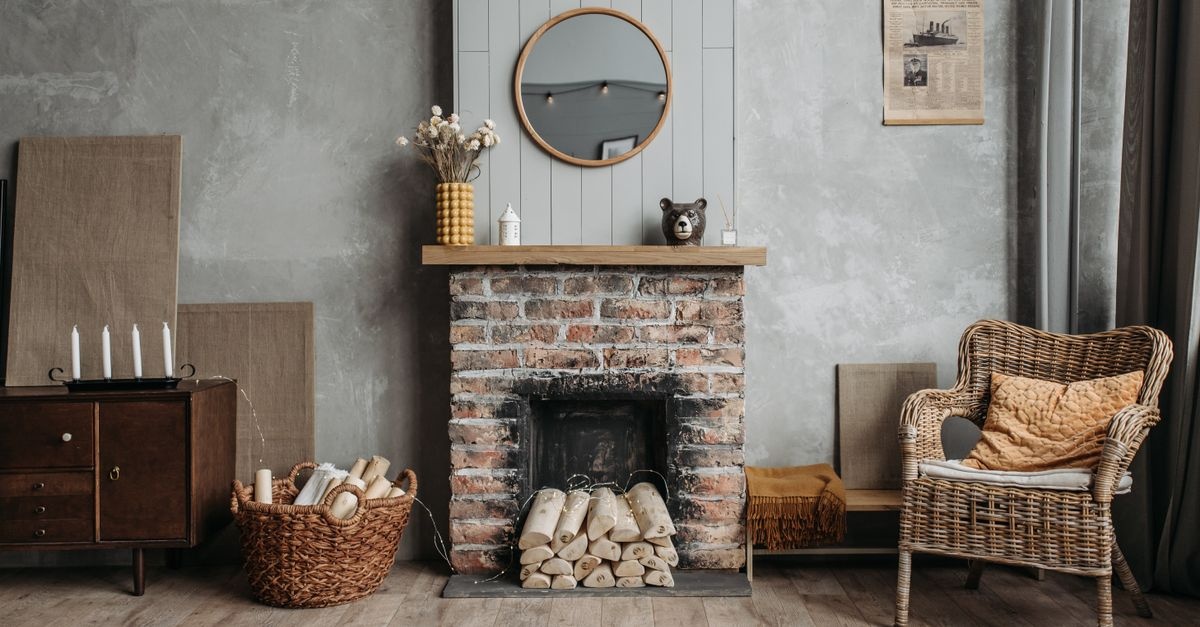
Do I need a fireplace No, though a hearth is a natural focal point. You can create one with a stone-clad wall, a wood mantel, and layered candles or a wood-burning stove where code allows.
What if my home is urban Rustic is a mood, not a location. Bring in organic materials, warm lighting, and patina-rich pieces to soften industrial or contemporary architecture.
Putting It All Together
At its core, mastering how to design rustic‑style interiors means letting nature lead, prioritizing comfort, and trusting time to complete the design. Begin with authentic materials, layer tactile textiles, mix eras with intention, and light the room in warm, generous layers. Keep editing until what remains feels calm, purposeful, and deeply human.
Whether you lean modern rustic, farmhouse cozy, or coastal and sunbleached, the same principles apply: honest materials, lived-in textures, and a restrained palette. With a clear plan and a willingness to let rooms evolve, your home will gather the kind of character that cannot be rushed—and that is exactly the timeless charm that makes rustic interiors unforgettable.
Quick Reference Checklist
- Palette: Warm neutrals, earth tones, and matte finishes.
- Materials: Reclaimed wood, stone, wool, linen, iron, unlacquered metals.
- Lighting: Layered, dimmable, warm-temperature sources with textured shades.
- Furniture: Simple forms with substance; mix vintage and new.
- Texture: Contrast rough and smooth; layer textiles generously.
- Decor: Useful, handmade, or beloved objects; nature-forward styling.
- Maintenance: Finishes that patinate gracefully; care routines that are simple and sustainable.
Follow this guide, trust your senses, and let your home gather stories. That is the real secret to how to design rustic‑style interiors that feel warm, textured, and enduringly beautiful.