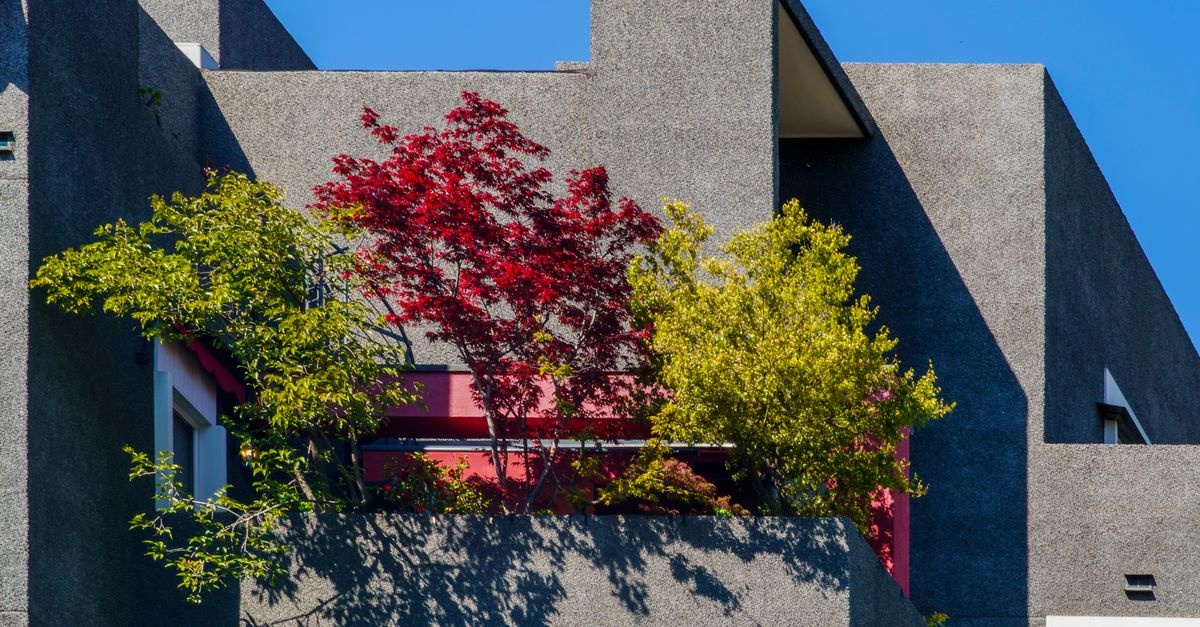
Whether your balcony is a narrow ledge or a breezy urban perch, plants can turn it into a mood-lifting retreat faster than any furniture set. This comprehensive guide shows you how to work with light, wind, and limited square footage to build a flourishing mini-oasis. Expect space-saving ideas, beginner-friendly plant lists, step-by-step container hacks, and styling moves that deliver drama with minimal effort. Think of it as your blueprint for a balcony glow-up powered by leaves, blooms, and thoughtfully layered textures.
Why Plants Are the Ultimate Balcony Makeover Tool
Plants do more than look good. They buffer noise, cool down hot concrete, filter air particulates, and create privacy. With the right mix, you get sensory richness in a compact footprint: scent from herbs, movement from grasses, seasonal color from annuals, and structure from evergreens. Even better, plants are modular. You can trial, swap, and rearrange to keep your space evolving without major renovations.
Start Here: Read Your Balcony Like a Pro
Great balcony design begins with understanding the site. Before buying a single pot, spend a day watching light and wind patterns. Take a few notes. This quick audit will spare you dead plants and constant frustration.
Light and Heat
- Full sun equals 6 or more hours of direct light. Expect heat buildup on south or west exposures.
- Partial sun or bright shade equals 3 to 5 hours of direct light or dappled conditions.
- Full shade equals less than 3 hours of direct light; think reflected brightness rather than beams.
- Heat islands form near metal railings, glass, and dark tile. Choose heat-tolerant plants and larger containers there.
Wind and Microclimates
- Wind tunnel effect is common on higher floors. Pick sturdier plants and use wind-permeable screens.
- Protected nooks behind walls or partitions are perfect for delicate blooms and trailing plants.
- Rain shadow under overhangs means you must water consistently; set reminders.
Rules and Load Limits
- Check building rules on railing planters, hanging items, and weight capacity.
- Choose lighter containers like resin or fiberglass if weight is a concern.
- Use saucers or self-watering inserts to prevent drips onto neighbors.
Set the Mood: Design Vision in Three Steps
Treat your balcony like a tiny room. Define a style and color story so the plants and containers feel cohesive. This is where even small spaces start to sing.
1. Pick a Style
- Urban jungle: bold leaves, layered heights, plenty of texture.
- Mediterranean chic: silvery herbs, citrus, terracotta tones.
- Minimalist zen: evergreen structure, grasses, restrained palette.
- Cottage bloom: fragrant climbers, pollinator flowers, soft pastels.
2. Choose a Palette
- Green-on-green for calm sophistication.
- Monochrome containers with one accent color in flowers.
- Warm vs. cool: terracotta and coral blooms for warmth; charcoal pots with blues and purples for cool elegance.
3. Define Focal Points
Use a tall planter, statement specimen tree, or vertical trellis as your anchor. Place it where the eye lands first when you step outside or look through the door from indoors.
Plant Picks That Practically Grow Themselves
Match plants to your conditions and your balcony will do most of the work for you. Start with forgiving stars, then sprinkle in specialty showpieces as your confidence grows.
Sun Lovers and Heat Tolerant Heroes
- Lavender and rosemary for fragrance and drought resistance
- Geraniums (pelargoniums) for continuous color
- Portulaca and calibrachoa for trailing blooms
- Thyme, oregano, and sage for edible edging
- Olive or bay laurel as compact container trees
Partial Shade Champions
- Heuchera with jewel-toned foliage
- Begonias for dependable flowers
- Hydrangea in larger pots for dramatic blooms
- Chives, parsley, and mint for a kitchen-ready herb mix
Full Shade, Low Light Winners
- Ferns for lush texture
- Hosta in cool, moist spots
- English ivy or trailing philodendron for evergreen drape
- Snake plant for bulletproof structure
Wind-Resistant and Balcony-Proof
- Feather reed grass and carex for movement without breakage
- Succulents like sedum in heavy, low bowls
- Boxwood or myrtle for clipped structure
Climbers for Vertical Drama
- Jasmine or star jasmine for scent
- Clematis for larger flowers
- Morning glory and sweet pea for fast growth
Containers That Make Plants Thrive
Containers are not just decorative; they are life-support systems. Choose wisely, and your plants will reward you with vigor and fewer demands.
Planter Materials
- Terracotta: breathable, classic, can dry out fast
- Resin or fiberglass: lightweight, great for larger sizes
- Glazed ceramic: retains moisture, heavy and stable
- Metal: sleek, but can overheat; line with coir or plastic
Drainage and Saucers
- Ensure at least one generous drainage hole per pot.
- Elevate pots slightly with risers to avoid soggy roots.
- Use saucers or trays to protect decking and neighbors below.
Smart Soil, Not Garden Dirt
Use a high-quality potting mix with perlite or pumice for airflow. For a DIY blend, try 2 parts peat-free compost, 1 part coconut coir, 1 part perlite, and a handful of slow-release fertilizer. For herbs and succulents, add extra grit for faster drainage.
Self-Watering and Wick Hacks
- Reservoir planters cut watering trips.
- Wick system: thread cotton cord from a water bottle into the soil for consistent moisture.
- Mulch with pea gravel or bark to slow evaporation and keep soil cooler.
Vertical Magic: Maximize Space, Minimize Effort
In compact outdoor spaces, think of walls, rails, and ceilings as prime real estate. Vertical planting creates lushness without crowding the floor.
Fast and Simple Uprights
- Lean a trellis against a wall for instant height; anchor a climber.
- Over-the-rail planters add green at eye level without eating floor area.
- Hanging baskets with trailing blooms or strawberries increase yield per square foot.
- Tower planters for herbs and salad greens; rotate for even sun.
DIY Wall Grid
Attach a modular grid panel to a wall and clip on lightweight pots. Stagger plant types so trailing species cascade over structured foliage for a living tapestry.
Instant Impact: Simple Tricks That Always Work
When you want fast transformation, rely on composition rules that are hard to mess up. These moves give you pro-level polish with very little fuss.
Thriller, Filler, Spiller Formula
- Thriller: a tall showpiece like a dwarf grass or compact shrub.
- Filler: medium plants that add body, such as geraniums or coleus.
- Spiller: trailing accents like ivy, lobelia, or sweet potato vine.
Use this trio in each planter for instant balance and lushness.
Groupings and Repetition
- Cluster pots in odd numbers for a natural look.
- Repeat a leaf shape or color across the space to create rhythm.
- Color blocking: dedicate one zone to warm colors and another to cool hues for visual structure.
Quick Edible Edge
Swap a filler plant for basil or chives. You get the same fullness with delicious dividends, and herbs often deter pests.
Privacy, Sound, and Shade the Plant-Forward Way
Plants are strategic tools for comfort. Use them to soften wind, muffle city noise, and create a secluded feel without heavy construction.
Living Screens
- Bamboo in trough planters for fast privacy; choose clumping types and use root barriers.
- Trellised climbers like jasmine or clematis for a fragrant wall.
- Espaliered citrus or fig on a frame for edible enclosure.
Wind Softening
- Mix permeable screens and grasses rather than solid panels that create turbulence.
- Use heavier, low pots on windy edges; put delicate blooms in sheltered corners.
Shade Tuning
- Install a retractable shade cloth or umbrella to protect midday bloomers.
- Use tall foliage plants to cast light, dappled shade for ferns underneath.
Water and Feed: A Minimalist Routine That Works
Balconies demand consistent care, but that does not mean constant fuss. Set up a simple rhythm and let your containers do the heavy lifting.
Watering Rhythm
- Check soil moisture by finger test an inch down; water when dry to that depth.
- Water deeply until liquid drains from the bottom; avoid frequent shallow sips.
- Water in the morning to reduce evaporation and disease.
- Adopt bottom watering trays for thirsty planters during heatwaves.
Feeding Without Overdoing
- Mix in a slow-release fertilizer at planting.
- Boost with a liquid feed every 2 to 4 weeks during peak growth.
- Pause feeding in winter or for dormant plants.
Maintenance Made Easy
Ten minutes a week keeps things glossy and blooming. Tie tasks to a calendar reminder and enjoy the ritual.
Weekly Touches
- Deadhead spent blooms to prolong flowering.
- Groom yellow leaves and prune leggy stems.
- Turn pots a quarter turn for even growth.
- Inspect for pests under leaves and on new growth.
Balcony-Safe Pest Control
- Water spray to knock off aphids.
- Neem oil or insecticidal soap as gentle treatments; follow labels.
- Companion planting with marigolds and herbs to deter pests naturally.
Seasonal Swaps and Succession Planting
Keep your balcony dynamic year-round by rotating high performers as seasons change. This is where a small space feels surprisingly abundant.
Spring
- Cool-season stars: pansies, violas, snapdragons.
- Start herbs and leafy greens; plant bulbs in mixed containers for repeat joy.
Summer
- Heat lovers: geranium, calibrachoa, portulaca, zinnias.
- Mulch and self-watering inserts to ride out heatwaves.
Autumn
- Swap in mums, asters, and ornamental kale.
- Plant spring bulbs in deep pots; top with temporary annuals.
Winter
- Evergreen anchors: boxwood, juniper, heuchera.
- Add fairy lights and lanterns for glow when flowers rest.
Styling That Elevates the Greenery
Plants do the heavy lifting, but the right accessories make the scene feel finished. Aim for comfort, coherence, and a touch of sparkle after dark.
Lighting
- String lights around the perimeter for a soft canopy.
- Solar lanterns in plant clusters for layered ambience.
- Uplights at the base of feature foliage to dramatize leaf shapes.
Textiles and Surfaces
- Outdoor rug to define a seating zone and warm the palette.
- Weatherproof cushions in hues that echo your flowers or foliage.
- Side table for coffee, shears, and a watering can that doubles as decor.
Upcycling Wins
- Crates stacked as tiered plant stands.
- Mismatched pots unified with a single paint color.
- Repurposed ladders as vertical plant shelves.
Balcony Makeover With Plants–Simple Tricks You Can Do Today
This is your rapid-action chapter. If you have one afternoon and a modest budget, you can pull off a confident transformation that reads curated, not cluttered.
- Choose a theme in five minutes: jungle greens or Mediterranean herbs.
- Buy in trios: three matching medium planters plus one tall anchor pot.
- Apply thriller-filler-spiller in each medium pot; use a tree or grass in the tall pot.
- Install one vertical element: a leaning trellis or rail planter row.
- Mulch every pot with gravel to unify the look and reduce watering needs.
- Add lights and a small rug for instant evening charm.
With these moves, your space will feel intentional, layered, and relaxing. A balcony makeover with plants–simple tricks like these ensure strong results without advanced skills.
Troubleshooting: Quick Diagnoses and Fixes
Even seasoned gardeners face hiccups. Use these telltale signs to adjust quickly and keep momentum going.
Yellow Leaves
- Overwatering is common in shaded spots; let soil dry more between waterings.
- Nutrient deficiency: add a balanced liquid feed.
Leggy Growth
- Not enough light; move plants to a brighter position or switch to sun lovers.
- Skip feeding high-nitrogen formulas that over-stretch stems.
Crispy Edges
- Heat or wind scorch; provide shade cloth or wind buffer and water deeply.
Wilting That Persists After Watering
- Root rot from poor drainage; repot with airy mix and ensure holes are open.
Pests
- Aphids: rinse, then apply soapy spray weekly until gone.
- Spider mites: increase humidity, use neem, and avoid heat stress.
Budget-Friendly Green Goodness
Going botanical does not need boutique prices. Stretch your budget with smart sourcing and propagation.
- Plant swaps with neighbors for instant variety.
- Cuttings from mint, rosemary, pothos, or coleus to multiply stock.
- Seasonal sales for bulk annuals to refresh color in one go.
- Core collection: invest in a few evergreen anchors and rotate inexpensive annuals around them.
Layouts for Real Balconies: Three Ready-to-Use Plans
Narrow Rail Balcony
- Rail planters with trailing calibrachoa or ivy geraniums for side views.
- Tall corner pot with feather reed grass as the focal point.
- Hanging basket near the door with herbs for quick snips.
Square Lounge Balcony
- Trough planters along the back for bamboo privacy.
- Two medium planters flanking a bench, each with thriller-filler-spiller combos.
- Wall grid with small herb pots for a functional feature.
Renter-Friendly, No-Drill Setup
- Freestanding trellis in a heavy pot with jasmine.
- Modular resin planters for easy moves on inspection day.
- Clip-on lights and an outdoor rug to finish the scene.
Micro Edible Garden: Flavor in a Footprint
Even a coffee-table corner can deliver fresh garnish and salad greens. Try this compact system.
- Tiered herb tower: basil high, oregano mid, thyme low for sun-sharing.
- Cut-and-come-again greens like baby romaine and arugula in a shallow trough.
- Strawberries in a hanging pot to keep berries clean and reachable.
10-Minute Wins for Tonight
- Top-dress tired pots with fresh mix and slow-release pellets.
- Edge cleanup: wipe railings, sweep leaves, fluff cushions.
- Re-pot one star into a larger container for an instant upscale look.
- Cluster candles or solar lanterns for an instant golden hour glow.
Safety, Neighbors, and Good Etiquette
- Secure hanging pieces with rated hooks and check periodically.
- Use saucers and avoid overflows that drip on balconies below.
- Compost or bag trimmings neatly; keep pathways clear.
Frequently Asked Questions
How do I water while traveling?
Use reservoir planters, a wick system, and group pots close together in shade. Water deeply before leaving and ask a neighbor for a midweek check if it is very hot.
What if my balcony is super windy?
Choose low, heavy containers with gravel mulch, anchor a permeable screen, and focus on grasses, succulents, and woody herbs. Park delicate bloomers in the most protected corner.
Can I grow small trees?
Yes, if weight limits allow. Pick dwarf varieties like olive, bay, or citrus; use a large, lightweight resin pot with excellent drainage and a slow-release feed.
Do I need special soil?
Always use container-specific potting mix. Garden soil compacts, starves roots of air, and holds water unevenly.
What is the easiest flower for beginners?
Geraniums and calibrachoa are forgiving, bloom for months, and bounce back from minor mistakes.
Case Study: One Weekend From Bare to Botanical
Picture a 6-by-10-foot balcony with no shade and a view of brick. Saturday morning, you choose an urban jungle vibe in a green-gray palette. You bring home a tall resin pot with a compact grass, three medium pots for thriller-filler-spiller combos, a rail planter with trailing blooms, and a trellis with jasmine. You fill planters with airy mix, tuck slow-release pellets under the top layer, and mulch with gravel. By sunset, you have structured height, generous texture, and movement in the breeze. Sunday, you add solar string lights, a striped outdoor rug, and a side table. The space now looks styled and lived in—and maintenance is a weekly 10-minute ritual. That is a balcony makeover with plants–simple tricks executed with intent, not excess.
Put It All Together: Your Action Blueprint
- Audit light, wind, and rules.
- Choose a style and 2-3 container colors.
- Plan verticals: trellis, rail, or wall grid.
- Select plants by light zone; anchor with evergreens or grasses.
- Prep containers with quality mix, drainage, and mulch.
- Compose pots with thriller-filler-spiller.
- Install lighting and a rug to polish the mood.
- Set routine: morning water checks, weekly grooming, monthly feed.
Conclusion: A Lush Retreat, One Simple Step at a Time
A standout balcony does not require rare plants or endless tinkering. It comes from reading your space, setting a clear design intention, and stacking a few reliable techniques. With vertical planting, smart containers, and composition formulas that always flatter, your outdoor nook will shift from bare to botanical in a weekend—and keep getting better with each season. When you need a refresher, return to the basics: structure, texture, repetition, and light. The result is a restorative sanctuary that blurs the line between indoors and out, one pot at a time.
Key takeaway: Start small, think vertical, use resilient plants, and repeat shapes and colors. Your glow-up begins with a single well-planted pot—and the momentum of a balcony makeover with plants–simple tricks that build beauty fast.