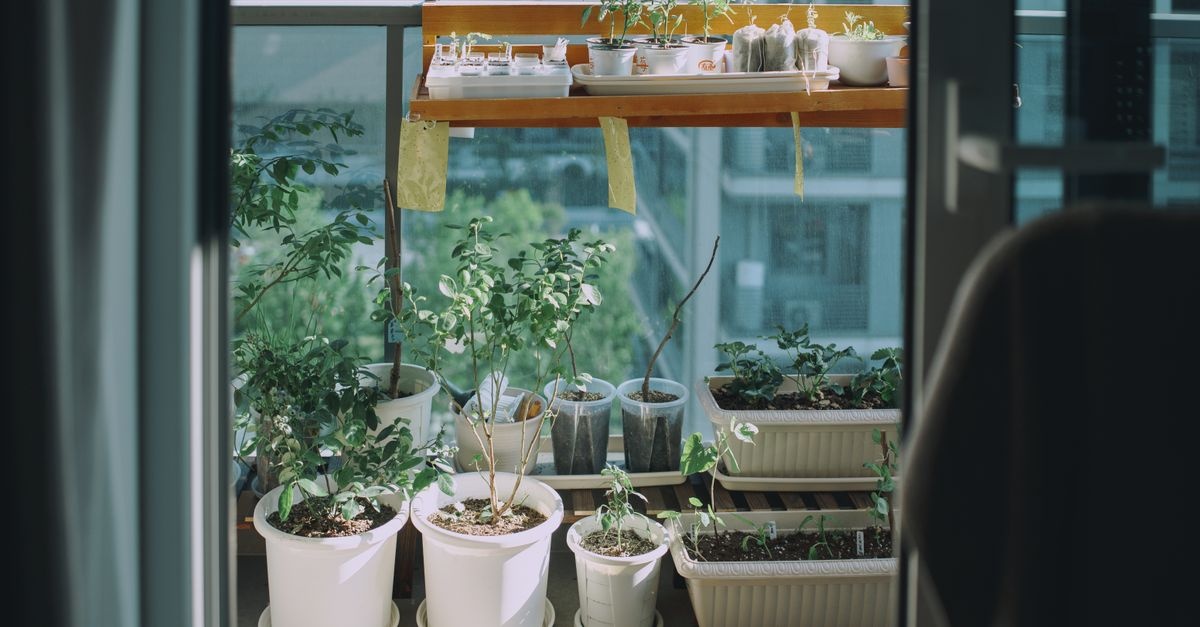
Tiny Balcony, Mighty Harvest: Smart Strategies for Abundant Veggies
When space is tight, every pot, trellis, and sunlit corner has to pull its weight. The magic of a compact, high-yield balcony setup is that it turns constraints into advantages—heat-trapping walls, easy access to water, and close-at-hand care all add up to fast growth and frequent harvests. In this comprehensive guide, you’ll learn how to design a productive balcony food garden with techniques tailored to urban microclimates. Your Balcony vegetable garden–small space, big harvest plan starts here.
Why a Tiny Balcony Can Feed You
Yes, you can grow more than a token herb pot. Balconies create unique conditions that favor rapid, intensive production:
- Heat advantages: Walls and railings reflect and store warmth, speeding early growth for heat-loving crops like tomatoes and peppers.
- Close care: Your plants are right outside the door, so you’ll water, prune, and harvest on time—key to continual yields.
- Vertical potential: Railings, walls, and overhead structures are natural anchors for trellises, nets, and shelves.
- Micro-batch planting: Shorter rows and containers let you replant frequently for nonstop salads and herbs.
With smart planning, a balcony can deliver weekly salads, stir-fry greens, herbs for every meal, and a steady trickle (or avalanche) of cherry tomatoes and cucumbers from midsummer onward. The ethos is simple: intensity over acreage.
Audit Your Space Like a Pro
Before buying seeds or pots, evaluate the conditions so your layout matches reality. This is the foundation for any small-space balcony vegetable garden that consistently produces.
Map the Sun
- Track hours of direct sun across a clear day in spring or early summer. Vegetables thrive with 6–8 hours. If you have 3–5 hours, emphasize greens and herbs; below 3 hours, focus on shade-tolerant herbs, microgreens, and leafy crops.
- Note obstructions: neighboring buildings, seasonal sun angle changes, and trees that leaf out.
- Use reflectors: light-colored walls or reflective panels can bounce extra light to shadier corners.
Wind, Heat, and Exposure
- Windbreaks: Higher floors are windier. Add mesh screens, bamboo fencing, or clear polycarbonate panels to reduce stress and water loss.
- Heat zones: Dark walls and concrete radiate heat. Place heat-lovers (tomatoes, peppers, basil) nearby and reserve the coolest spots for lettuce, cilantro, and spinach.
- Salt spray: Near coasts, choose tougher crops and rinse foliage with fresh water during hot, windy spells.
Weight and Water Logistics
- Weight limits: Many balconies are rated around 40–60 lb/sq ft (195–290 kg/m²), but regulations vary. Check with your building manager; avoid clustering many heavy ceramic pots in one corner.
- Drainage: Use saucers or trays to protect neighbors below. Elevate pots slightly so water doesn’t stagnate.
- Water access: If no tap nearby, keep a 10–15 L watering can, or install a compact drip system fed from a balcony-safe reservoir.
Smart Containers and Vertical Infrastructure
Containers are your soil, raised bed, and garden bed in one. The right setup unlocks high yields.
Choose Containers That Fit the Crop
- Fabric grow bags: Lightweight, root-aerating, excellent drainage. Ideal sizes: 20–30 L for tomatoes; 10–15 L for peppers; 15–20 L for cucumbers; 7–10 L for greens.
- Self-watering planters (SWC): Built-in reservoirs reduce daily watering needs and stabilize moisture—great for tomatoes, peppers, and basil.
- Railing planters: Perfect for cut-and-come-again lettuce, arugula, strawberries, and cascading herbs. Ensure secure mounting.
- Stackable towers: Vertical planters for strawberries, lettuce, spinach, and herbs; minimal footprint, fast harvest cycles.
- Window boxes with depth (20–25 cm): Great for radishes, baby carrots, scallions, and mesclun mixes.
- Lightweight plastic or resin pots: Use for shrubs like dwarf blueberries or for citrus where allowed; they reduce balcony load.
Pro tip: Avoid narrow, shallow pots for fruiting crops. Depth and volume keep roots cool and moist, prevent blossom end rot, and support steady feeding.
Vertical Frames That Multiply Space
- String trellises: Anchor eye hooks in ceiling/overhang (with landlord approval) or to a free-standing frame; train tomatoes, cucumbers, peas, and pole beans.
- Lean-to ladders: Wooden A-frames or ladder trellises against the wall host cucumbers, squash, and peas. Add netting for easy tie-ups.
- Modular mesh panels: Zip-tie plastic garden mesh to a light frame for a movable trellis wall.
- Hanging rails and shelves: Use sturdy brackets for herb boxes or strawberry pots; keep heavy items low for stability.
Safety first: Keep trellises inside the balcony line; nothing should extend or risk falling. Secure all verticals against gusts.
Mobility and Modularity
- Caddies and casters: Put large planters on rolling bases for easy sun-chasing and cleaning.
- Swappable inserts: Plant herbs and greens in smaller pots that drop into decorative outer sleeves; rotate in new crops as you harvest.
- Color-coding: Tag containers by water needs to streamline care.
Potting Mix, Nutrition, and pH
In containers, soil is a custom recipe. A great mix breathes, drains, and holds nutrients.
The Ideal Potting Mix
- Base blend: 40% high-quality compost, 40% coco coir or peat moss, 20% perlite or pumice. This balances drainage and moisture retention.
- Boosters: 5–10% worm castings for biology; a handful of biochar charged with compost tea for long-term fertility.
- pH target: 6.0–6.8 for most veggies. Test with a simple meter; correct with garden lime (raise pH) or elemental sulfur (lower pH).
Do not use dense garden soil; it compacts and suffocates roots in pots.
Fertilizing for Containers
- At planting: Mix a balanced slow-release organic fertilizer (e.g., 4-4-4) into the top 10–15 cm.
- During growth: Feed every 7–14 days with liquid fertilizer. Use fish/seaweed blends early; switch to tomato or bloom formulas (higher K) when fruiting begins.
- Micronutrients: Foliar sprays with seaweed or kelp help during heat waves and transplant stress.
Sign of underfeeding: pale new growth, slow recovery after pruning, or small fruit set. Adjust promptly.
Watering Without Waste
Balcony vegetables need consistent moisture but hate soggy feet. A smart system saves time and boosts yield.
Hand Watering vs. Drip
- Hand watering: Great for daily check-ins. Use a rose head to avoid soil splash and disease.
- Micro-drip kits: Battery timer + thin drip lines or adjustable emitters keep containers evenly moist, critical during vacations and heat waves.
Self-Watering and Wicking
- Self-watering planters: Reservoirs supply water from below; top up 2–3 times per week instead of daily.
- DIY wicking totes: A perforated false bottom and fabric wicks store 10–20 L of water—perfect for tomatoes and cucumbers.
Moisture-Saving Tricks
- Mulch: 2–3 cm of shredded bark, straw, or coco chips reduces evaporation and soil temp swings.
- Shade cloth: On extreme heat days, 30–40% shade cloth prevents wilt without stalling growth.
- Group by thirst: Keep basil, cucumbers, and tomatoes together; drought-tolerant rosemary and thyme elsewhere.
Choose High-Performing Plants for Small Spaces
Your crop list is the engine of a Balcony vegetable garden–small space, big harvest approach. Select varieties bred for containers, fast maturity, and vertical growth.
Fast ROI Crops
- Leafy greens: Lettuce, arugula, spinach, Asian greens. Harvest baby leaves in 25–35 days; re-sow every 2–3 weeks.
- Herbs: Basil, parsley, cilantro, mint, chives, dill, thyme. Perpetual harvests with minimal space.
- Radishes and salad turnips: Crisp in 25–40 days; tuck between slower crops.
- Scallions: Dense plantings in window boxes; cut as needed.
Compact Fruiting Favorites
- Tomatoes: Choose determinate or dwarf types (e.g., ‘Tiny Tim’, ‘Patio Choice Yellow’, ‘Red Robin’, dwarf series). For flavor, cherry types outperform slicers in containers.
- Peppers: Compact bells and prolific chilies (e.g., ‘Lunchbox’, ‘Jalapeño’, ‘Cayenne’, ‘Shishito’) thrive in 10–15 L pots.
- Eggplant: Dwarf varieties like ‘Patio Baby’ or ‘Fairy Tale’ are super-productive in 12–18 L containers.
Climbers for Vertical Yield
- Cucumbers: Pick compact or parthenocarpic greenhouse types (e.g., ‘Picolino’, ‘Bush Champion’, ‘Mini Munch’). Train on netting to save floor space.
- Pole beans and peas: Thin vines, generous harvests per square foot.
- Malabar spinach or chayote: Leafy climbers for hot balconies.
Shade-Tolerant Choices
- Greens: Lettuce, arugula, mache, mustard greens, kale (especially ‘Dwarf Blue Curled’), tatsoi.
- Herbs: Mint, parsley, chives, lemon balm; cilantro prefers cooler, part-shade conditions.
- Root crops: Baby beets and carrots bred for containers (e.g., ‘Paris Market’, ‘Thumbelina’) tolerate partial sun.
Planting Plans for Maximum Yield
Intensive methods stack time and space to keep harvests constant.
Succession Planting Timetable
- Every 2–3 weeks: Sow small patches of lettuce, arugula, spinach, radishes, and cilantro.
- Stagger fruiting crops: Start two cherry tomatoes 4–6 weeks apart to extend peak production.
- Replace quickly: As soon as a crop finishes, replant the container the same day. Keep seedlings ready inside near a bright window.
Interplanting and Companions
- Understory herbs: Plant basil, chives, or marigolds at the base of tomatoes to fill light gaps and attract beneficial insects.
- Fast with slow: Radishes and baby lettuces mature before peppers or eggplant canopy closes.
- Aromatic allies: Dill and fennel attract hoverflies; nasturtiums lure aphids away.
Intensive Spacing That Still Breathes
- Tomatoes: One plant per 20–30 L container with strong vertical support.
- Peppers: One plant per 10–15 L pot; two if pot is 25 L and you prune lightly.
- Greens: 10–15 lettuces or a thick cut-and-come-again sowing in a 60–80 cm window box.
- Cucumbers: One plant per 15–20 L container trellised vertically; prune laterals to manage density.
Balcony Microclimate Hacks
Improve conditions and your yields jump.
Reflectors, Heat Sinks, and Windbreaks
- Reflective panels: White foam board or light-colored walls bounce light to shade pockets.
- Thermal mass: Dark water-filled jugs soak up heat by day and release it at night, buffering temperature drops.
- Windbreak layering: A combination of mesh and plants (like dense rosemary or lavender) calms turbulent airflow.
Pollination on High Floors
- Shake vines: Gently tap or shake tomato and pepper stems during midday to release pollen.
- Bee magnets: Interplant alyssum, marigolds, and basil flowers to draw pollinators up to your balcony.
- Parthenocarpic picks: Choose fruiting cucumbers and squash that set fruit without pollination, especially in windy or isolated spots.
Year-Round Production
Even a cold-climate balcony can produce most months with a few add-ons.
Season Extension
- Row covers and cloches: Lightweight fabric plus mini hoops over containers protect spring and fall greens from frost and pests.
- Cold frame boxes: Compact, clear-lid frames fit over planters to hold 3–5°C warmer nights.
- Fleece by forecast: Drape fleece on sudden cold nights; remove in the morning.
Indoor–Outdoor Relay
- Start early indoors: Raise seedlings under LED grow lights 4–8 weeks before last frost to transplant onto the balcony when nights warm.
- Rotate harvests: As temperatures drop in fall, bring herbs or dwarf peppers inside under lights to continue fruiting.
Microgreens and Sprouts
- Tray crops: Radish, sunflower, pea shoots, broccoli microgreens are harvest-ready in 7–14 days.
- Minimal gear: Shallow trays, seed, and a bright windowsill deliver year-round nutrition with near-zero footprint.
Pests and Problems, Solved
Containers help you isolate issues, but vigilance pays.
Prevention First
- Clean starts: Use sterile potting mix and clean containers. Quarantine new nursery plants for a week.
- Airflow: Prune for space around stems; avoid leaf-on-leaf contact to reduce mildew.
- Water timing: Morning watering keeps foliage dry by evening, limiting fungal disease.
Organic Controls That Work on Balconies
- Aphids and whiteflies: Blast with water, then apply insecticidal soap or neem weekly until clear.
- Spider mites: Increase humidity, mist leaf undersides, use predatory mites if infestations persist.
- Powdery mildew: Remove worst leaves; apply potassium bicarbonate or milk spray (10% milk) as a preventative.
- Fungus gnats: Let top 2–3 cm of soil dry; add a layer of coarse sand; use Bti drenches if needed.
Troubleshooting Red Flags
- Yellowing lower leaves: Could be nitrogen deficiency or overwatering. Check pot weight and drainage; feed if needed.
- Blossom end rot (tomatoes/peppers): Usually inconsistent moisture, not calcium shortage. Stabilize watering; mulch; don’t overfeed nitrogen.
- Flowers dropping: Heat stress or dry soil. Provide temporary shade and regular moisture.
Harvest, Storage, and Use
Fast harvest and replanting maximizes output from your limited square meters.
Cut-and-Come-Again Techniques
- Greens: Harvest outer leaves and let centers regrow, or take a clean 2–3 cm cut above the crown to re-sprout.
- Herbs: Pinch basil tops before flowering to keep plants bushy; harvest parsley and cilantro by outer stems.
- Indeterminate cherry tomatoes: Pick daily to encourage more flowers.
Quick Preserving Without a Kitchen Overhaul
- Herb pesto cubes: Blend basil/parsley with oil; freeze in trays; pop cubes into soups and sauces.
- Refrigerator pickles: Slice cucumbers and peppers; pack with vinegar brine and spices; enjoy within a week.
- Greens wash-and-spin: Store in a cloth-lined container to extend shelf life for 5–7 days.
Budget and Sustainability Tips
- Upcycle: Food-grade buckets become planters; drill drainage holes; add a simple trellis.
- Seed sharing: Split packets with neighbors; swap excess seedlings.
- Compost light: A small worm bin (vermicompost) turns kitchen scraps into castings—gold for pots.
- Rain capture: If allowed and safe, collect rainwater in a lidded container; it’s pH-friendly and free.
- Grow perennials: Chives, thyme, mint (contained), and strawberries return yearly, lowering costs.
Sample Balcony Layouts
Use these templates as starting points and adapt to your sun, wind, and style. They embody the spirit of a Balcony vegetable garden–small space, big harvest by stacking verticals and successions.
Sunny South-Facing, 1.2 m x 3 m
- Back wall: Two ladder trellises with one cucumber per 20 L pot; string-trained cherry tomato in a 30 L self-watering container.
- Midline: Three 15 L pots with peppers (‘Shishito’, ‘Lunchbox’, ‘Jalapeño’); interplant basil and marigold.
- Front rail: Two 80 cm railing boxes packed with cut-and-come-again lettuce and arugula; sow every 2–3 weeks.
- Hanging corners: Strawberries or trailing thyme.
Expected weekly harvest in peak season: 3–5 bowls of salad greens, a handful of strawberries, 2–4 cucumbers, 2–3 peppers, and daily cherry tomatoes.
Windy High-Rise with Railing Planters
- Windbreak: Mesh screen along the prevailing wind side; rosemary and lavender as living baffles.
- Containers: Self-watering planters for tomatoes and eggplant to buffer dry winds; compact cucumbers (parthenocarpic) on sturdy netting.
- Railing boxes: Kale, chard, and scallions instead of floppy lettuces.
Part-Shade Courtyard
- Focus: Herbs (mint, parsley, chives, cilantro), leafy mixes, and microgreens trays.
- Fruiting crops: One dwarf tomato on the brightest spot; expect modest yields.
- Reflectors: White panels behind planters to maximize light.
From Seed to Supper: A Simple Timeline
Here’s a practical rhythm to keep your balcony productive for 7–9 months.
- Late winter: Start tomatoes, peppers, and herbs indoors under LEDs. Order compact, container-friendly varieties.
- Early spring: Sow greens, radishes, peas in railing boxes under row cover. Harden off indoor seedlings.
- Mid-spring: Transplant tomatoes and peppers into final containers; install trellises and drip lines.
- Summer: Succession sow greens; prune and tie vines weekly; top up slow-release fertilizer; mulch.
- Late summer: Start fall greens and cilantro; consider a second tomato or fall peas.
- Fall: Use row cover/cold frames; harvest greens to the last frost; bring a few herb pots indoors.
Hydroponics on the Balcony (Optional Boost)
If soil mess isn’t your style, a compact hydroponic system can extend the concept of a small-space, big-harvest balcony garden even further.
- Kratky bins: Non-circulating setups for lettuce and basil—no pumps, minimal maintenance.
- Recirculating tubs: Small deep-water culture (DWC) or nutrient film technique (NFT) for leafy greens.
- Monitoring: Keep pH 5.8–6.3, electrical conductivity (EC) suited to crop; top off with water as plants drink.
Note: Secure lids and totes against wind; keep nutrient solutions away from direct rain dilution.
Design and Aesthetics Matter
Productive can also be beautiful.
- Palette: Repeat container colors and materials for cohesion; cluster in odd numbers.
- Height tiers: Tall trellised crops at the back, mid-height peppers in front, low herbs and strawberries at rail.
- Edible ornaments: Rainbow chard, purple basil, variegated thyme, and nasturtiums give a designer look.
Maintenance That Fits Your Life
Consistency beats intensity. A 10–15 minute daily routine keeps everything humming.
- Morning check: Finger test for moisture, quick water where needed, pick ripe fruits, and pinch basil.
- Weekly: Tie vines, prune suckers on indeterminate tomatoes, remove yellowing leaves, inspect for pests, feed with liquid fertilizer.
- Monthly: Top-dress with compost, refresh mulch, deep-clean saucers and tools.
Common Mistakes to Avoid
- Going too small on containers: Root-bound, thirsty plants underperform.
- Overcrowding trellises: Poor airflow invites disease. Give vines their lanes.
- Irregular watering: Leads to cracked fruit and blossom end rot. Use SWCs or drip to stabilize.
- Neglecting weight and safety: Spread the load; anchor structures well.
Frequently Asked Questions
How many edible plants can I fit on a small balcony?
More than you think. A 1.5 m x 3 m space can host 1–2 trellised cucumbers, 2 cherry tomatoes, 3 peppers, 2 railing boxes of greens, and 6–8 herb pots—if you stack vertically and keep paths clear.
Can I grow root vegetables?
Yes. Go for container types: baby carrots (‘Paris Market’), salad turnips, radishes, and compact beets. Use deep window boxes or 10–15 L pots.
What about south-facing heat?
Mulch, self-watering containers, and midday shade cloth keep roots cool. Choose heat-hardy greens like malabar spinach and amaranth in midsummer.
Is it worth it financially?
Absolutely for high-cost, fresh-use items: herbs, microgreens, cherry tomatoes, specialty peppers, and salad mixes. You’ll cut grocery trips and food waste.
Final Thoughts
A thriving balcony plot is built on three pillars: right container + right variety + right support. Layer in consistent watering, regular feeding, and quick successions, and your micro-garden will astonish you with its output. This is the essence of a Balcony vegetable garden–small space, big harvest: a compact, beautiful system that feeds you week after week.
Start with one trellised tomato, one cucumber, two boxes of greens, and a handful of herbs. Learn your microclimate, adjust, then scale. In a few short weeks, you’ll be stepping outside to snip salads and pick sun-warmed fruit—proof that a tiny balcony truly can deliver a mighty harvest.
Next step: Sketch your layout, list 6–8 crops from this guide, and gather containers and potting mix this weekend. Your first balcony harvest is closer than you think.