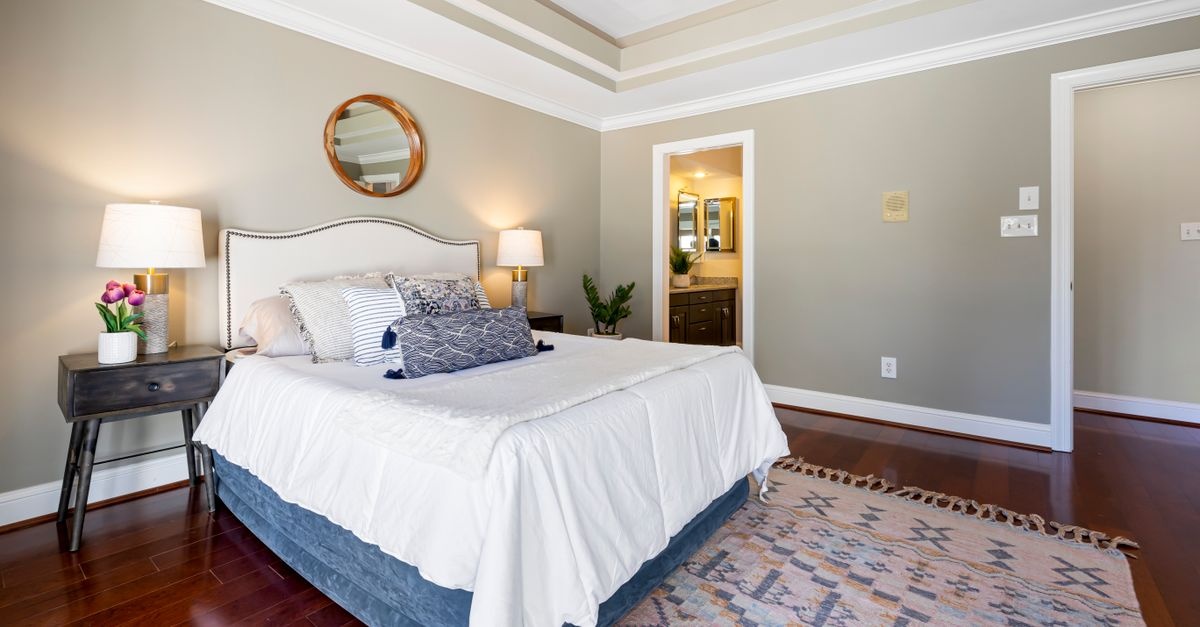
Ready to turn a good bedroom into a stunning retreat? The right geometric rug does more than warm your toes—it anchors furniture, softens acoustics, and sets the style tone from the floor up. If you have been wondering how to choose a geometric rug for the bedroom without second-guessing every decision, this comprehensive, design-forward guide brings clarity to size, color, pattern, materials, comfort, and care so you can buy once and love it for years.
Why Geometric Rugs Work So Well in Bedrooms
Geometric rugs deliver structure and rhythm, bringing visual order to a space with clean lines, repeated motifs, and balanced symmetry. In bedrooms—where serenity meets personality—those motifs double as a unifying design element and a focal point beneath the bed. Whether you gravitate toward bold chevrons or soft trellises, geometric patterns can skew modern, mid-century, bohemian, or classic depending on color and scale. They also:
- Ground your furniture layout by visually connecting the bed, nightstands, and bench.
- Control visual energy—large, airy motifs soothe; tight repeats energize.
- Layer texture and warmth to cushion footfall, dampen noise, and improve comfort.
- Offer incredible versatility across styles, from Scandinavian to Art Deco to coastal chic.
Step 1: Clarify Your Bedroom Vision
Before you shop, get specific about what you want the room to feel like and how the rug supports that mood. Consider your bed frame, nightstands, wall color, lighting, and textiles (duvet, throw, curtains). A geometric rug can either quietly harmonize or boldly lead, but it should never compete with every other pattern in the room.
- Define the vibe: serene and spa-like, cozy boho, crisp modern, or glam boutique-hotel.
- Take stock of existing elements: Is your bedding patterned? Are the walls cool or warm? What finishes are on the furniture?
- Set constraints: Budget, maintenance tolerance, and any pet or allergy considerations.
When you know what mood you’re after, it becomes easier to refine how to choose a geometric rug for the bedroom that fits holistically rather than as a standalone piece.
Step 2: Nail the Size and Layout
Size is the single biggest make-or-break decision. Most bedrooms look best with a rug that extends beyond the sides and foot of the bed so you enjoy a soft landing zone. When in doubt, size up—too small looks like a bath mat; too large can overwhelm but is less common.
General Size Guidelines
- Twin bed: 5x8 feet (152x244 cm) or 6x9 feet (183x274 cm) centered under the bed; or two 2x6 or 2.5x7 feet runners flanking the sides.
- Full/Queen bed: 8x10 feet (244x305 cm) is the sweet spot for most rooms; 6x9 feet can work in tight spaces; 9x12 feet for expansive layouts or if including nightstands.
- King/Cal King bed: 9x12 feet (274x366 cm) typically feels balanced; 8x10 feet may work if you have narrow nightstands or limited clearance at the foot of the bed.
Leave roughly 8–14 inches (20–36 cm) of visible floor around the rug’s perimeter when possible, unless you’re using wall-to-wall carpeting where layering principles differ.
Layout Options Under the Bed
- All legs on: The bed, nightstands, and bench all rest on the rug. This creates a luxe, unified look, typically with a 9x12 under a king or a generous 8x10 under a queen.
- Two-thirds under: The rug begins a few inches in front of the nightstands and extends beyond the foot of the bed. This is room-friendly and budget-savvy for queens and kings.
- Side runners: Two slim runners placed on either side of the bed give softness where you step, ideal for small rooms or when a large rug won’t fit.
- Layering over carpet: Place an 8x10 or 9x12 geometric area rug over low-pile wall-to-wall carpet for added texture and definition.
Pro tip: Map out the rug with painter’s tape to test scale and traffic paths before buying. It’s a simple way to avoid surprises and is central to understanding how to choose a geometric rug for the bedroom with confidence.
Step 3: Choose the Right Pattern Scale and Motif
Geometric rugs span an array of motifs—chevrons, herringbone, Greek key, trellis, grid, diamonds, stripes, broken linework, and abstract tessellations. The secret is matching pattern scale to room size and visual density to your existing textiles.
Pattern Scale
- Large-scale motifs (big diamonds, open grids): Create calm, airiness, and a contemporary feel. Ideal for smaller rooms craving visual expansion.
- Medium-scale patterns: Versatile and forgiving. Pair easily with subtle bedding textures and framed art.
- Small-scale repeats (tight chevrons, mini herringbone): Add energy and depth, best balanced by solid or lightly textured bedding.
Motif Direction and Balance
- Directional lines (stripes, linear grids) can lengthen or widen the perception of the room depending on orientation.
- Softly irregular motifs (hand-drawn grids, broken lines) bring warmth to modern schemes that might otherwise feel too rigid.
- Graphic contrast (black-and-white, navy-and-ivory) anchors minimalist rooms and works beautifully under walnut or oak frames.
When pairing with patterned duvet covers or wallpaper, choose a rug with either a larger pattern scale or a more subdued color palette to maintain harmony. The aim is rhythm, not rivalry.
Step 4: Dial In a Thoughtful Color Palette
Your bedroom’s color story drives how bold your rug should be. Use the 60-30-10 rule—60% dominant color (walls, big furniture), 30% secondary (rug, curtains), 10% accent (decor)—to keep balance. For geometric rugs, color has an outsized impact on mood.
Color Strategies That Work
- Neutral calm: Ivory, greige, oat, and taupe patterns create a soothing sanctuary and pair with linen bedding, light woods, and soft brass.
- Moody grounding: Charcoal, indigo, forest, or espresso motifs ground light walls and cozy bedding while adding high contrast.
- Soft color pops: Dusty rose, muted teal, or slate blue patterns energize neutrals without overpowering.
- Monochrome sophistication: Vary light-to-dark tones of a single hue for depth that still reads as cohesive.
Always test with fabric and paint swatches. Observe in daylight and warm evening light to ensure undertones cooperate. If floors skew warm (honey oak), a rug with a touch of warm beige or clay reads intentional; if floors are cool (gray wash), lean into cool neutrals or blues.
Step 5: Select Materials and Construction for Comfort and Performance
The best geometric bedroom rug marries beauty with everyday realities: bare feet, occasional spills, and weekly vacuuming. Materials and construction determine feel, durability, and price.
Common Rug Fibers
- Wool: The gold standard for softness, resilience, and natural stain resistance. Warm underfoot and durable; may shed initially.
- Cotton: Breathable and budget-friendly, often in flatweaves. Softer than jute, less durable than wool, usually easier to move and clean.
- Viscose/Rayon: Silky sheen and elegant drape, but sensitive to moisture and staining. Best for low-traffic bedrooms without pets.
- Polypropylene/Polyester: Stain-resistant, colorfast, and affordable. Great for households with kids or pets seeking a performance rug.
- Recycled PET: Eco-minded, often surprisingly soft, and easy-care. A strong pick for sustainable style.
- Jute/Sisal: Textural, earthy flatweaves that add organic warmth. More textured underfoot; use with a plush pad for comfort.
Construction Types
- Hand-knotted: Heirloom quality, intricate, and durable with nuanced pattern definition. Highest investment.
- Hand-tufted: Thick, plush feel and strong pattern clarity at a friendlier price. May shed initially; quality varies with wool grade.
- Flatweave: Low profile, reversible in some styles, easy to layer. Great for warm climates and modern-minimal aesthetics.
- Machine-made: Consistent patterns and a wide value range. Excellent for tight budgets or trend-forward designs.
Pile Height and Feel
- Low pile (under 0.25 inches/6 mm): Easy to vacuum, safe for doors, and crisp for graphic patterns.
- Medium pile (0.25–0.5 inches/6–13 mm): Balances plushness with practicality; ideal for most bedrooms.
- High pile/shag (0.75 inches/19 mm+): Luxurious but higher maintenance; best in adult retreats rather than kid or pet zones.
Match your priorities: If you want crisp pattern lines, a low to medium pile shows geometry best. If foot comfort is top priority, medium pile with a cushioned rug pad is a perfect compromise.
Step 6: Comfort, Acoustics, and Practicalities
Bedrooms benefit from softness and quiet. A rug and pad by design reduce echo and make morning steps welcoming. Consider:
- Rug pad: A felt-and-rubber combo boosts cushioning and prevents slipping.
- Floor heating: Many wool and synthetic rugs work well; check manufacturer guidance for heat compatibility.
- Allergies: Flatweaves or low-pile wool capture less dust; vacuum regularly with a HEPA filter.
- Pets: Seek stain-resistant fibers (polypropylene, PET) and medium-scale patterns that mask fur and minor marks.
Step 7: Budget Smartly for Long-Term Value
Value comes from how a rug looks, feels, and lasts. Price tends to track with material quality and construction complexity.
- Entry: Machine-made synthetics and cotton flatweaves—great for guest rooms or short-term use.
- Mid-range: Hand-tufted wool or higher-spec machine-made performance rugs—excellent daily comfort and longevity.
- Investment: Hand-knotted wool or wool-silk blends—heirloom potential and refined texture.
Factor in maintenance (professional cleaning every 12–24 months) and a quality pad. Spending a bit more on construction and pad often outperforms buying the largest possible rug at the lowest quality.
Step 8: Maintenance and Care Made Simple
A little routine keeps your geometric bedroom rug fresh for years.
- Vacuum weekly with a brushless or gentle brush head to protect fibers.
- Rotate 180 degrees every 6 months for even wear and fade resistance.
- Spot clean promptly: Blot, don’t rub. Use a pH-neutral cleaner; avoid soaking viscose.
- Protect from sun with curtains or UV films to minimize fading of dark motifs.
- Address shedding (common with new wool rugs) by light, frequent vacuuming; it subsides over time.
Step 9: Safety, Pads, and Placement Fine-Tuning
Even gorgeous rugs can disappoint without the right foundation. A proper pad prevents creeping, improves comfort, and extends rug life.
- Pad types: Felt-plus-rubber for hardwood (grip and cushion), natural rubber for tile, all-felt if the rug already has strong traction on carpet.
- Trim to fit: The pad should be about 1 inch (2.5 cm) smaller on all sides so it remains hidden.
- Door clearance: Test swing paths where doors meet the rug; prefer low to medium pile at thresholds.
Styling Playbook: Match Rug Personality to Your Bedroom Aesthetic
Geometric rugs flex to different looks by changing pattern, palette, and texture. Use these pairings as inspiration.
Scandinavian Calm
- Palette: Ivory, oat, pale gray, winter blue.
- Pattern: Open grid, subtle herringbone, tonal stripes.
- Materials: Wool flatweave over a plush pad for comfort without bulk.
Modern Minimal
- Palette: Charcoal, black, crisp white, graphite.
- Pattern: Bold grid, high-contrast chevron, Art Deco linear motifs.
- Materials: Low-pile wool or performance synthetics for sharp pattern edges.
Boho Warmth
- Palette: Terracotta, clay, ecru, indigo, saffron.
- Pattern: Hand-drawn diamonds, Moroccan trellis, broken stripes.
- Materials: Hand-tufted wool or soft PET for cushy texture; layer with kilim pillows.
Mid-Century Mix
- Palette: Olive, walnut, mustard, teal.
- Pattern: Geometric blocks, tapered lines, gentle curves.
- Materials: Medium pile for comfort, flatweave for a sleek profile.
Coastal Fresh
- Palette: Sea glass, navy, sand, cloud white.
- Pattern: Soft lattice, broad stripe, airy diamond.
- Materials: Cotton or PET flatweave that’s breezy and easy to clean.
Common Mistakes to Avoid
- Going too small: A rug that barely peeks out from the bed will look underscaled.
- Pattern overload: If bedding, curtains, and rug all compete, the room feels chaotic. Balance scales and solids.
- Ignoring door swings and vents: Check clearances so edges don’t curl and airflow isn’t blocked.
- Skipping the pad: Comfort, longevity, and safety all suffer without it.
- Forgetting real-life tests: View swatches at home in morning and evening light before committing.
Sustainable and Healthy Choices
Design with a conscience by exploring rugs made from renewable or recycled fibers and transparent supply chains.
- Certifications: Look for GoodWeave (ethical production), OEKO-TEX (tested for harmful substances), and GOTS (organic fibers) where applicable.
- Materials: Undyed wool, recycled PET, and natural latex pads reduce chemical exposure and environmental impact.
- Low-VOC adhesives: If odor sensitivity is a concern, choose low-VOC or mechanically secured backings.
Room-by-Room Scenarios
Small Studio Bedroom
Pick an open-grid or large-diamond flatweave in a light neutral to visually expand the space. Size up to a 6x9 or 8x10 if possible so your bedside tables at least partially rest on the rug. Add a felt-rubber pad for plushness without bulk.
Primary Suite Sanctuary
Go for a 9x12 hand-tufted wool with a medium-scale trellis in soft gray and ivory. It will unite the bed, nightstands, and a bench while delivering luxurious underfoot comfort. Complement with linen drapes and textured solids on the bed.
Guest Room with Character
A machine-made performance rug in a muted navy-and-ivory geometric grid feels welcoming yet easy to care for. An 8x10 under a queen looks proportionate and helps occasional guests sleep soundly with improved acoustics.
Kid or Teen Bedroom
Choose a stain-resistant PET or polypropylene rug with a fun stripe or diamond. Keep pile low to medium for easier cleanup, and consider runners on each side of a twin bed to allow quick spot replacement if needed.
Shopping Checklist
- Measurements: Room dimensions, bed size, nightstand width, door clearance, vent locations.
- Layout choice: All legs on, two-thirds under, or side runners.
- Pattern plan: Large-scale calm vs. small-scale energy; motif type (trellis, chevron, grid).
- Color palette: Coordinate with existing walls, bedding, and floors in daylight and evening light.
- Material: Wool for resilience and warmth; performance synthetics for pets and spills; flatweave for low profile.
- Pile height: Low for crisp geometry and door clearance; medium for balanced comfort.
- Pad: Felt-rubber combo cut 1 inch smaller on all sides; confirm compatibility with flooring.
- Care: Vacuum routine, rotation plan, spot-clean approach, and professional cleaning schedule.
- Sustainability: Any certifications or recycled content you prefer.
- Budget: Set a range including pad and potential delivery/cleaning costs.
FAQs
What size geometric rug should I put under a queen bed?
An 8x10 feet rug works in most queen-bed rooms, giving ample side exposure and a generous foot area. A 6x9 can work in tighter rooms, but ensure you still have at least 8–10 inches visible on each side.
Can I use two runners instead of one large rug?
Yes—placing runners on both sides of the bed is space-efficient, budget-friendly, and ideal for small rooms. Choose coordinated geometric patterns or one cohesive design for visual balance.
Are geometric rugs timeless?
Geometric motifs predate modern design and have appeared in every era. Stick to balanced scales and versatile palettes for staying power, then refresh the room with bedding or art as tastes evolve.
How do I stop corner curling?
Use a quality rug pad with proper grip, reverse-roll the corners for a few hours, and apply rug corner grippers if needed. Keep rugs out of direct drafts that can dry fibers unevenly.
Can I layer a geometric rug over carpet?
Absolutely. Choose a low-to-medium pile rug over low-pile carpet for a stable foundation. Add an all-felt pad between layers to prevent shifting and to enhance comfort.
What’s best for pet owners?
Performance fibers like polypropylene or recycled PET resist stains and are easy to spot clean. Choose a medium-scale geometric pattern that helps disguise fur and minor marks.
How to Choose a Geometric Rug for the Bedroom: A Step-by-Step Plan
Here’s a concise walkthrough to finalize your decision with confidence.
- 1. Define your mood: Calm, cozy, modern, or eclectic.
- 2. Measure precisely: Room, bed, door swings, and pathway clearances.
- 3. Pick a layout: All legs on, two-thirds under, or side runners.
- 4. Choose pattern scale: Large for calm and space; small for energy.
- 5. Select a motif: Trellis, grid, chevron, herringbone, or abstract geometry that suits your style.
- 6. Build a palette: Harmonize with walls, floors, and bedding under different lighting.
- 7. Match material: Wool for resilience, synthetics for easy care, flatweave for low profile.
- 8. Decide pile height: Low to medium for bedrooms; ensure door clearance.
- 9. Add a pad: Felt-and-rubber for grip and cushion; trim to fit.
- 10. Test at home: If possible, order a swatch or view a sample in your lighting before committing.
These steps encapsulate the essentials of how to choose a geometric rug for the bedroom without falling into common pitfalls.
Design Combos to Copy
Quiet Modern
Medium-gray wool flatweave with a large ivory grid, low-profile platform bed in walnut, white percale bedding, matte-black lamps. Add a slate-blue throw for depth.
Warm Bohemian
Hand-tufted wool in terracotta and ecru diamond-lattice under a queen bed, layered linen duvet in oatmeal, brass sconces, and woven baskets. Finish with a kilim pillow in muted indigo.
Coastal Minimal
Navy-and-cream stripe flatweave under a slipcovered bed, gauzy white curtains, bleached oak nightstands, and a seagrass tray. Use a felt-rubber pad to keep the flatweave cushioned.
Final Takeaways
- Measure twice, buy once: Proper sizing transforms the room instantly.
- Balance scale and color: Let the rug’s geometry complement—not compete with—other patterns.
- Prioritize comfort and care: The right fiber, pile height, and pad deliver lasting satisfaction.
- Think holistically: Every choice—from motif to maintenance—should support the bedroom you want to wake up in.
With these principles, you now understand how to choose a geometric rug for the bedroom that looks intentional, feels amazing, and elevates the entire space. Start with a clear vision, commit to accurate sizing, and trust a pattern-and-palette pairing that brings your style to life—beautifully and effortlessly.