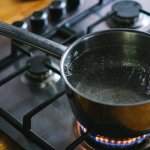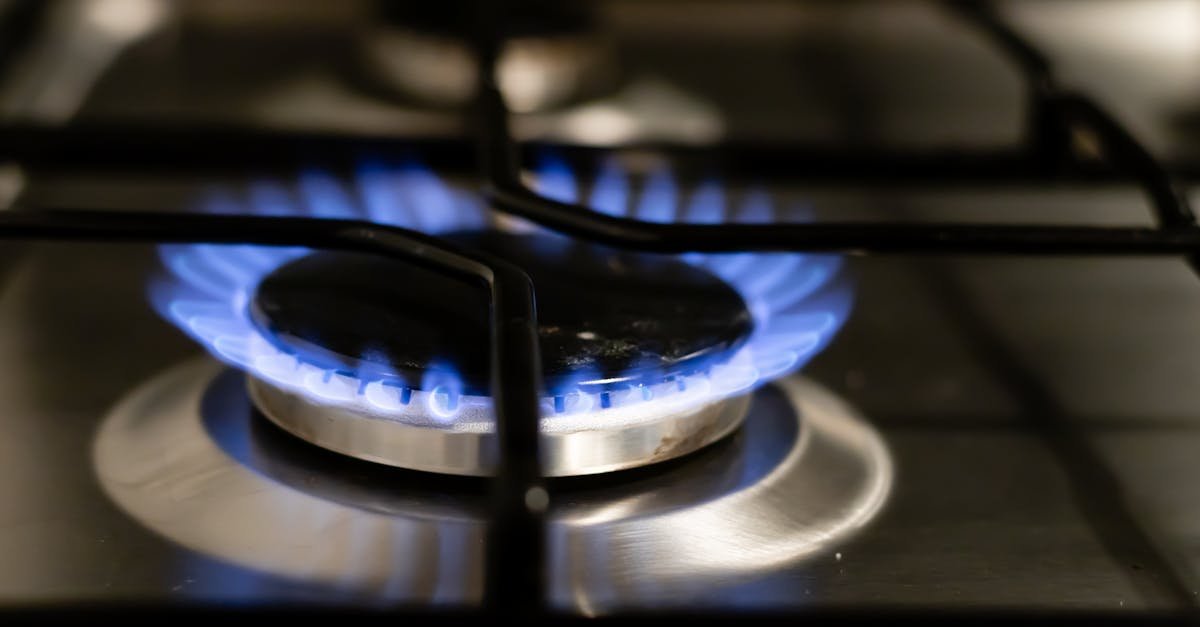
Cooking at home can be cheaper, healthier, and more satisfying than takeout—but if you’re firing up a gas stove or oven daily, the costs can creep up fast. This deep-dive guide shows you how to reduce gas bills when cooking daily by combining smart techniques, efficient gear, and better planning. You’ll discover the small moves that add up—plus a week-long meal plan—to keep your food delicious and your costs in check.
Why Gas Bills Rise When You Cook Every Day
Every meal has an energy footprint. With gas cooking, cost is driven by how long you run the flame, how high you set the heat, the heat-transfer efficiency of your cookware, and how often you rely on your oven versus smaller, quicker appliances. The good news: most of these factors are under your control. By adjusting technique and planning, you can shave 15–40% off your cooking fuel use—often without any new equipment.
At-a-Glance: The Smartest Kitchen Moves
- Match burner size to pan to avoid wasted heat curling up the sides.
- Use lids to trap heat and shorten cook times.
- Simmer, don’t blast: lower flames improve efficiency and quality.
- Batch-cook staples (grains, beans, sauces) once, reheat efficiently.
- Prep cold (chop, measure) before lighting the flame to reduce burner-on time.
- Maintain burners for a steady blue flame and even heat.
- Prefer pressure, microwave, or air-fryer for many tasks over a full gas oven.
Understanding Cost: The Physics Behind Kitchen Heat
Gas burners produce heat (BTUs) and transfer it to your cookware and food. The less heat that escapes—around the pan, out the oven door, or into the room—the less fuel you burn. Two big levers matter most:
- Contact and containment: A flat, full-contact pan base and a snug lid can reduce cook time dramatically.
- Temperature control: Using only the flame you need and cutting heat as soon as food is done curbs waste.
When you cook daily, compounding effects make a difference. Saving just two minutes of burner time per meal can trim hours off monthly flame time—and your gas bill drops accordingly.
How to Reduce Gas Bills When Cooking Daily: Core Tactics
If you want a clear roadmap for how to reduce gas bills when cooking daily, start with these high-impact strategies that work in any kitchen.
1) Choose Cookware That Transfers Heat Efficiently
Not all pots and pans perform equally over gas. The goal is to move heat into your food, not into the air.
- Flat, thick bases: Tri-ply stainless or heavy aluminum ensures even heating and fewer hot spots (less need for high flames).
- Tight-fitting lids: Every simmer with a lid is faster; soups and grains especially benefit.
- Pan-to-burner match: Use a burner that’s as close as possible to the pan’s base diameter. Oversized flames waste energy.
- Dark, heavy roasting pans in the oven absorb and retain heat better than thin, shiny ones—shortening cook times.
2) Master Burner Control
Big flames feel fast but often overshoot. Efficiency is about precision:
- Heat to boiling, then reduce to the gentlest simmer that maintains movement.
- Avoid flames licking up the sides of your cookware; that’s wasted fuel.
- Cut heat early: Residual heat in heavy pans and liquids continues cooking for 1–5 minutes off-flame.
3) Trap Heat and Shorten Time
Containment is king for saving gas.
- Use lids for boiling, simmering, and steaming; you’ll boil faster and at lower settings.
- Preheat efficiently: Preheat pans briefly, not for minutes. Ovens should be preheated only when necessary.
- Stagger steps: Boil pasta water under a lid while you prep sauce; you’ll reach a boil faster and reduce total flame time.
4) Batch-Cook Like a Pro
Doing more in fewer sessions is a cornerstone of how to reduce gas bills when cooking daily. Cook energy-intensive items once, then leverage quick reheats.
- Grains & beans: Make big batches, cool quickly, and store in portions. Reheat in the microwave or steam with minimal gas.
- Roast multiple items together: If you turn on the oven, fill the racks—vegetables, chicken, and potatoes share heat efficiently.
- Freezer-ready sauces (marinara, curry bases, broths) save hours of burner time over the month.
5) Prep Cold, Cook Fast
Every minute spent chopping with the flame on is money gone. Set everything up before lighting the burner.
- Mise en place: Chop, measure, and season before you heat the pan.
- Thin, even cuts cook quicker and more evenly at lower heat.
- Marinate to tenderize tough cuts so they cook faster on a gentle flame.
Appliance Efficiency and Maintenance
Well-tuned equipment uses less gas. A few maintenance habits and appliance choices can lower your bill without changing what you love to eat.
Keep Burners Clean and Flames Blue
- Blue, steady flames indicate efficient combustion. Yellow tips suggest incomplete burning or clogged ports.
- Scrub burner caps and ports so flames distribute evenly and you can use lower settings effectively.
- Level grates to maximize contact between pan and heat.
Use the Oven Strategically
- Only preheat when needed: Many casseroles and roasted vegetables tolerate no-preheat starts (add a few minutes to total time).
- Don’t open the door often; each peek dumps heat and extends cook time.
- Cook multiple dishes at once and exploit residual heat by turning the oven off 5–10 minutes early for items that finish carryover cooking.
- Convection mode (if available) improves heat circulation, allowing for lower temps or shorter times.
Lean on Small, Efficient Helpers
Sometimes the best way to save gas is to avoid using it.
- Microwave excels at reheating and steaming vegetables quickly with minimal energy.
- Pressure cooker (stovetop or electric) slashes cooking times for beans, stews, and braises.
- Air fryer or toaster oven handles small roasts and crispy sides more efficiently than a full gas oven.
- Electric kettle is faster and often cheaper for boiling water than a pot on a gas burner.
Recipe and Technique Swaps That Save Fuel
Great flavor doesn’t require long flames. Try these swaps to lower gas usage without compromising results.
Opt for One-Pot and Sheet-Pan Meals
- One-pot meals consolidate heat into a single vessel—soups, risottos, paellas, and stews are perfect candidates.
- Sheet-pan dinners maximize oven real estate: roast protein and vegetables together for fewer, more efficient cook sessions.
Pressure and Steam for the Win
- Pressure cooking achieves tender beans in 30–45 minutes versus hours—huge gas savings.
- Steaming with lids cooks vegetables and dumplings fast at lower flame.
Choose Quicker Cuts and Techniques
- Thin proteins (cutlets, stir-fry strips) cook in minutes at moderate heat.
- Smash or dice potatoes small to reduce simmer or roast time.
- Soak dried beans and grains overnight to shorten burner time significantly.
Plan Smart: Weekly Strategies That Cut Gas Use
Planning is the backbone of how to reduce gas bills when cooking daily. The aim is to cook more efficiently across the entire week, not just meal to meal.
- Cluster energy-heavy tasks: Do long simmers and roasts on one day; reheat portions quickly later.
- Cook once, eat twice: Double recipes that reheat well (chili, stews, roasted vegetables, grains).
- Prep cold ingredients on off-days to reduce active burner time on busy nights.
- Choose menus that share components (e.g., roast chicken becomes tacos, then soup stock).
Kitchen Environment and Insulation Tips
Small environmental tweaks reduce wasted heat and enhance comfort.
- Use appropriate ventilation: Run the hood on low or medium as needed for safety, but avoid over-ventilating and pulling hot air out longer than necessary.
- Keep lids and foil handy to cover pans and roasting trays quickly.
- Dry cookware bottoms before placing on the flame; water drops absorb heat and slow preheating.
Behavioral Micro-Habits That Pay Off
Consistent small actions create big savings by month’s end.
- Light the burner last: Don’t turn on heat until your pan and ingredients are ready.
- Right-size portions in pots and pans to avoid heating extra empty space.
- Measure water accurately for pasta, rice, and soups; excess water extends boiling time.
- Use carryover cooking: Pull eggs, fish, and thin meats off the flame slightly early.
Myth-Busting: What Actually Saves Gas
- Myth: Higher flames cook faster and cheaper. Reality: Oversized flames waste heat up the sides; steady medium-low is often faster overall.
- Myth: You must preheat the oven for everything. Reality: Many bakes and roasts tolerate no-preheat starts with minor time adjustments.
- Myth: Microwaves ruin texture. Reality: For reheating and steaming, microwaves preserve moisture and nutrients while using far less energy.
Tools That Help You Save
- Quality lids (glass or steel) sized to your pans.
- Heavy-bottomed skillet and saucepan for even, efficient heat.
- Pressure cooker or multi-cooker for beans, grains, and stews.
- Electric kettle for rapid water boils.
- Instant-read thermometer to prevent overcooking and unnecessary extra heat.
A 7-Day Gas-Light Meal Plan
Use this template to cook daily while minimizing gas. It balances one or two energy-heavier sessions with multiple quick-cook or reheat nights. Tailor proteins and produce to your preferences.
Weekend Power-Session (Batch Basics)
- Pressure-cook beans (2–3 varieties) for the week.
- Cook a big pot of grains (rice, barley, quinoa); portion and refrigerate.
- Roast two sheet pans of mixed vegetables and chicken thighs; save drippings for soup or sauces.
- Simmer a simple tomato sauce or curry base; freeze half.
Day 1: One-Pot Chili With Beans
Use pre-cooked beans and batch tomato sauce. Simmer covered on low for 15–20 minutes. Serve with pre-cooked rice. Minimal flame, maximal payoff.
Day 2: Sheet-Pan Veggie and Sausage Toss
Reheat roasted vegetables with sliced sausage in a toaster oven or air fryer. Quick, efficient, and crispy.
Day 3: Stir-Fry Noodles
Thinly sliced vegetables and protein cook in minutes on medium heat. Boil noodles in a covered pot with measured water; drain and toss.
Day 4: Pressure-Cooker Lentil Stew
Lentils become tender in a fraction of the time. Serve with leftover grains.
Day 5: Tacos From Roast Chicken
Shred leftover chicken, warm on low in a covered pan with a splash of stock or sauce. Heat tortillas briefly over medium heat.
Day 6: Microwave-Primed Baked Potatoes + Pan-Seared Fish
Start potatoes in the microwave, finish crisp in a small oven or air fryer. Sear thin fish fillets over medium for a few minutes per side.
Day 7: Big Salad + Warm Grain Bowl
Microwave grains and beans with a drizzle of sauce. Top a hearty salad for a no-oven, low-flame dinner.
Advanced Tips for Daily Cooks
- Menu chaining: Roast vegetables early in the week to fold into frittatas, pastas, grain bowls, and soups.
- Stock from scraps: Simmer bones and vegetable ends once per week using a pressure cooker to cut time and gas.
- Residual heat savvy: After boiling pasta, use the hot pot and water to quickly blanch vegetables for salad or sides.
Quick Calculations: Where the Savings Come From
Consider this: If you reduce average burner time by 4 minutes per meal and cook 10 meals per week, you save 40 minutes of flame time weekly. Over a month, that’s nearly 3 hours. Combine with fewer oven cycles and more lid-on simmering, and the reductions compound. These cumulative cuts embody the practical side of how to reduce gas bills when cooking daily.
Safety and Comfort While You Save
- Ventilation: Use your hood or open a window as needed, especially with high-heat searing.
- Flame visibility: Keep cookware handles and towels clear of the flame. A stable, blue flame is best.
- Carbon monoxide alarms: Ensure detectors are installed and functioning.
FAQs
Does using a lid really save gas?
Yes. Lids trap steam and heat, reducing time to boil and allowing lower simmer settings. Across a week of daily cooking, this simple move can noticeably lower fuel use.
Is it cheaper to reheat in the microwave than on the gas stove?
For most foods, the microwave is more energy-efficient for reheating. It targets water molecules directly, working faster and cutting total energy demand.
What’s the single best tip for how to reduce gas bills when cooking daily?
Batch-cook and reheat smartly. Prepare energy-intensive foods once (beans, grains, roasts), then rely on covered, low-flame warm-ups or the microwave for the rest of the week.
Do high-BTU burners save time and money?
They can shorten certain tasks (like boiling water), but unless you match flame to pan and use lids, they often waste heat. Precision control usually saves more than raw power.
How do I know if my burner is efficient?
Look for a stable blue flame. Yellow tips or uneven patterns indicate maintenance is needed (clean the ports, reseat the cap, or consult a technician).
Putting It All Together
Being intentional about heat—matching burner to pan, cooking with lids, choosing pressure and microwave shortcuts, and planning weekly batches—makes daily home cooking both affordable and enjoyable. With these strategies, you now have a practical blueprint for how to reduce gas bills when cooking daily while keeping your favorite meals squarely on the menu.
Printable Checklist: Daily Gas-Saving Habits
- Match pan size to the burner.
- Use lids whenever possible.
- Heat to a boil, then reduce to a gentle simmer.
- Prep ingredients before turning on the flame.
- Batch-cook beans, grains, and sauces.
- Use the microwave or pressure cooker for speed.
- Cook multiple items per oven cycle.
- Turn off heat early and use carryover cooking.
- Clean burners; aim for a blue, even flame.
Final Thoughts
With a few smart shifts and reliable routines, you can cook every day, enjoy better food, and shrink your bill. Start with lids, burner matching, and batch cooking—then build from there. The payoff arrives quickly, meal by meal and month by month, proving that knowing how to reduce gas bills when cooking daily is less about sacrifice and more about skill.