There’s a comforting kind of magic in reaching for a bottle of vinegar, a box of baking soda, and a soft cloth—and watching dull, grimy surfaces return to life. But when you’re aiming to control germs, sparkle alone isn’t enough. In this comprehensive guide, you’ll learn how to pair smart cleaning with credible, low-toxicity sanitizing strategies so you can keep your home fresh, safe, and healthy. Consider this your research-backed playbook for green cleaning that actually works, bringing together non-toxic cleaning approaches, practical know-how, and surface-specific care.
We’ll cover the science of removing versus killing germs; pantry-friendly methods that truly reduce microbes; where popular tips fall short; and room-by-room strategies that respect materials from stone and stainless steel to wood and upholstery. If you’ve been searching for Home surface disinfection ideas using natural methods that are both sensible and sustainable, you’re in the right place.
Cleaning vs. Disinfecting: The Science You Need Before You Start
Before diving into recipes and routines, it’s vital to distinguish two related but different goals:
- Cleaning removes dirt, food residue, and many germs from surfaces. Soap, water, and friction lift grime and microbes so they can be rinsed or wiped away. This alone can significantly reduce contamination.
- Disinfecting uses chemicals or physical methods (like heat) to kill a high percentage of germs on a hard, non-porous surface, provided you keep the surface wet long enough (this is called contact time).
In everyday home life, pairing thorough cleaning with targeted, low-toxicity disinfection is often the most balanced approach. When someone is ill or you’re handling raw meat, increase your emphasis on proven disinfectants and accurate contact times.
What “Natural” Can (and Can’t) Do
Natural or pantry-based options vary in power. Here’s a quick, evidence-informed snapshot:
- Soap and water: Excellent for everyday cleaning and reducing microbes. Not a stand-alone disinfectant, but highly effective at removing pathogens from surfaces and hands.
- 3% hydrogen peroxide: A practical, low-residue choice for non-porous surfaces. Keep surfaces visibly wet for sufficient time (often several minutes) to achieve disinfection; always check product labeling when available.
- 70% alcohol (isopropyl or ethanol): Time-tested for many hard surfaces and electronics. Flammable; ensure ventilation.
- White vinegar (5% acetic acid): Great cleaner and descaler; helps reduce some microbes, but it is not an EPA-registered disinfectant and doesn’t reliably kill many viruses. Use it for cleaning—then apply a disinfectant when needed.
- Baking soda: A gentle abrasive for scrubbing. Not a disinfectant.
- Lemon juice and salt: Useful for cleaning and deodorizing, with mild antimicrobial action; not a reliable stand-alone disinfectant.
- Steam/heat: When used correctly, heat can kill many microbes on suitable surfaces and fabrics. Always check material compatibility.
- Essential oils: Pleasant scent and minor antimicrobial properties in lab settings. Not reliable sole disinfectants and can irritate skin; many are unsafe around pets.
Bottom line: cleaning first, then using hydrogen peroxide (3%), 70% alcohol, or heat strategically is a smart, lower-toxicity path. Vinegar, baking soda, and lemon still deserve a place—but mostly for cleaning and deodorizing.
Core Tools and Supplies for Natural, Non-Toxic Surface Care
- Microfiber cloths (light and plush): Trap dirt and microbes effectively; color-code for rooms to prevent cross-contamination.
- Soft-bristle brushes and grout brushes: For textured areas.
- Spray bottles: Opaque for hydrogen peroxide (light degrades it); clearly label every bottle.
- Measuring cups/spoons: For consistent dilution ratios.
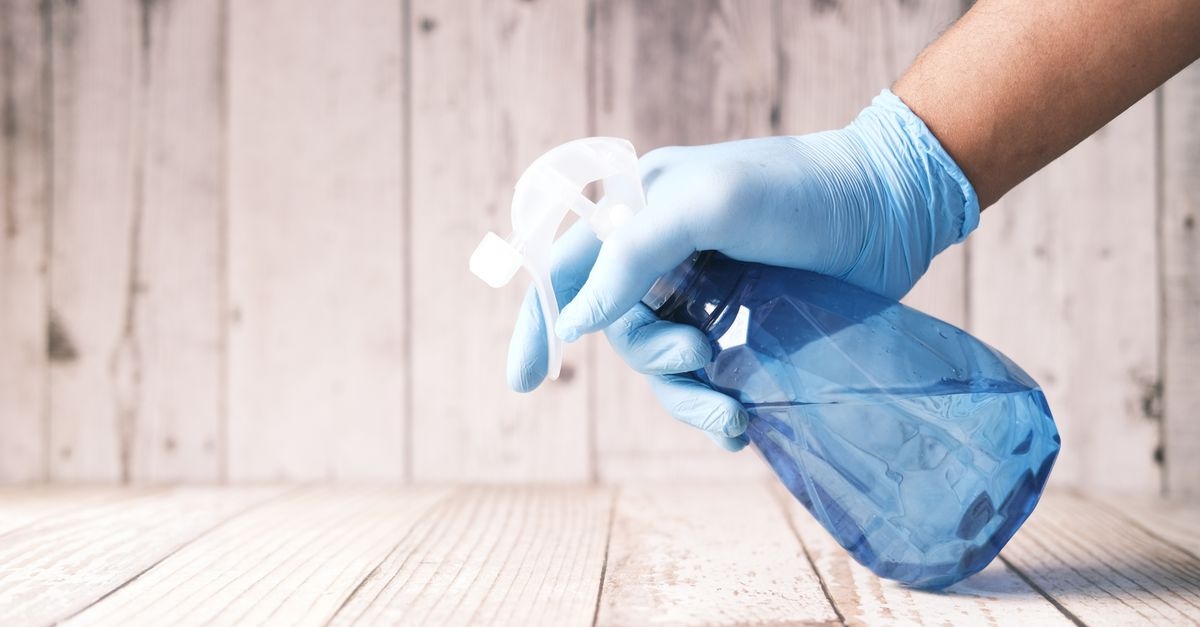
- Protective gear: Nitrile gloves and good ventilation—natural doesn’t mean risk-free.
- Steam cleaner or garment steamer (optional): Powerful on sealed floors, tile, grout, and fabrics.
Safety First: Smart Habits for Green Disinfection
- Never mix chemicals in the same bottle. In particular, do not combine vinegar and hydrogen peroxide in one container; together they can create irritating peracetic acid.
- Sequence, don’t mix: If you use vinegar and then hydrogen peroxide, apply them one after the other, with ventilation, and wipe/rinse between steps.
- Mind contact time: To disinfect, the surface must stay wet for the duration recommended on the product. If you’re using 3% hydrogen peroxide without a label, allow several minutes of wet time (often 5–10 minutes) on hard, non-porous surfaces.
- Patch test delicate materials (wood finishes, stone, fabrics) in an inconspicuous area.
- Protect stone: Avoid acids (vinegar, lemon) on marble, limestone, and travertine.
- Store safely: Keep all cleaners out of reach of kids and pets, even low-toxicity ones.
Pantry to Powerhouse: Ingredients That Actually Work
Soap and Water
Plain soap plus warm water physically lifts grime and germs. Use microfiber for a mechanical assist. For high-touch areas (knobs, rails, remotes), a thorough soap wipe followed by a quick-drying disinfectant (peroxide or 70% alcohol) is a simple, effective combo.
Hydrogen Peroxide (3%)
Use 3% hydrogen peroxide undiluted on hard, non-porous surfaces after cleaning. Spray to wet the surface thoroughly and let it sit. Wipe after the appropriate contact time. Store in a dark bottle; light breaks it down into water and oxygen, leaving minimal residue.
Alcohol (70%)
Isopropyl or ethanol at 70% is widely used on glass, stainless steel, and electronics. It evaporates quickly, which is convenient—but quick drying can cut contact time. Re-wet if needed to meet the target dwell time. If you only have 91% isopropyl alcohol, dilute with water: add approximately 1 part water to 3 parts of 91% alcohol to reach ~70%.
Vinegar (for Cleaning, Not Primary Disinfection)
Distilled white vinegar (5%) dissolves mineral deposits, soap scum, and grease. It reduces some microbes but is not a broad-spectrum disinfectant. It shines on windows, shower doors, and inside refrigerators (avoid door gaskets and sensitive rubber unless diluted and wiped dry).
Baking Soda
A gentle scouring powder for sinks, tubs, and stovetops. Combine with a small amount of castile soap for a creamy scrub. Rinse well. Remember: cleaning power, not disinfection.
Heat and Steam
Heat is a physical disinfectant. A household steam cleaner can help on sealed tile, grout, and some upholstery—always consult manufacturer guidance. For laundry, hot water cycles and thorough drying reduce microbes. Sunlight can help freshen and reduce some microorganisms on fabrics, though it should supplement—not replace—proper cleaning.
Room-by-Room: Natural, Non-Toxic Strategies That Work
Kitchen
Food-safe practices matter most here. Start with cleaning, then target disinfection where risk is higher (cutting boards, sink, handles).
- Countertops: Clean with warm water and a few drops of castile soap using a microfiber cloth. For sealed stone, avoid vinegar; for laminate and quartz, vinegar is fine for cleaning. To disinfect, use 3% hydrogen peroxide or 70% alcohol (light mist, keep wet for several minutes). Wipe with a clean cloth after contact time.
- Cutting boards:
- Plastic: Wash hot, soapy water; scrub. Disinfect with 3% hydrogen peroxide (keep wet for several minutes), then rinse and air dry upright. Alternatively, run through dishwasher on a sanitize cycle if manufacturer-approved.
- Wood: Wash with hot, soapy water quickly; don’t soak. Disinfect by spraying 3% hydrogen peroxide, letting it sit a few minutes, then wiping and allowing to dry thoroughly. Condition periodically with food-grade mineral oil to reduce absorption.
- Sinks and faucets: Scrub with baking soda and a few drops of soap; rinse. Disinfect with 3% hydrogen peroxide or 70% alcohol on handles and sprayers. For stainless steel, wipe in grain direction.
- Appliance handles, knobs, and buttons: Clean, then lightly spray 70% alcohol to sanitize. Avoid oversaturating electronics; use a dampened cloth rather than spraying directly.
- Refrigerator: Wipe shelves with warm soapy water, then a vinegar rinse to cut odors. For high-touch zones (door handles), use 70% alcohol or 3% peroxide.
- Garbage and compost bins: Wash with hot soapy water. Mist with peroxide and allow to air dry.
Bathroom
- Showers and tubs: Clean soap scum with vinegar (on non-stone) or a baking-soda-and-soap paste for a gentle scrub. To reduce mold/mildew on grout and caulk, apply 3% hydrogen peroxide; allow time to work, then rinse. Improve ventilation and squeegee after use to deter regrowth.
- Toilets: Sprinkle baking soda in the bowl, add a small amount of castile soap, scrub. Disinfect rim and seat with 3% peroxide; keep surfaces wet for several minutes.
- Sinks and fixtures: Soap and water, then 70% alcohol for handles. For stone vanity tops, stick to soap and water, and if disinfection is needed use a light alcohol mist rather than vinegar.
- Mirrors and glass: Vinegar-and-water (1:1) for streak-free cleaning; for quick sanitize, follow with a brief 70% alcohol wipe on touch points.
Living Areas and Bedrooms
- High-touch points: Doorknobs, light switches, railings, remotes, keyboards, and game controllers. Clean with a slightly damp, soapy microfiber; follow with 70% alcohol on electronics (applied to cloth) or 3% peroxide for other non-porous items.
- Upholstery: Vacuum thoroughly. Spot clean with a mild soap solution. For sanitizing, use steam if the fabric code allows (check the care label: W/S codes tolerate water/solvent cleaning). Allow complete drying and ventilate.
- Mattresses: Vacuum top and sides. Spot treat with a light soap solution. Sun exposure can help reduce odors; for deeper microbe reduction, a garment steamer used carefully can assist. Ensure full drying before making the bed.
- Floors:
- Hardwood (sealed): Damp mop with warm water and a few drops of soap; avoid standing moisture. Disinfection is rarely necessary; if needed, lightly mist 70% alcohol on a cloth and wipe high-touch zones like railings.
- Tile/Vinyl: Mop with soapy water. For targeted disinfection (entryways, bathroom floors), spray 3% peroxide after cleaning, allow contact time, then air dry.
Laundry Room
- Clothing and linens: Wash with the warmest water safe for the fabric. For extra sanitizing on whites and colorfast items, oxygen bleach (sodium percarbonate) is a lower-toxicity booster. Dry thoroughly; heat aids microbe reduction.
- Hampers and baskets: Wipe with soapy water, then spritz 3% peroxide and allow to dry.
- Washer gaskets and detergent drawers: Clean monthly with soap and water; follow with a peroxide wipe. Keep the door ajar to reduce moisture buildup.
Surface-by-Surface: The Right Method for Every Material
Natural Stone (Marble, Travertine, Limestone, Granite)
- Avoid acids: No vinegar or lemon. Clean with warm water and a few drops of mild soap; rinse and dry.
- Disinfect when needed: Use 70% alcohol sparingly and wipe quickly; always patch test. Alternatively, rely on soap cleaning and careful food-handling to minimize risk.
- Maintain seal: Reseal per manufacturer guidance to help resist stains and moisture.
Quartz and Solid-Surface Counters
- Clean with soap and water; vinegar is typically safe for quartz cleaning.
- Disinfect with 3% peroxide or 70% alcohol; allow brief contact time and wipe dry.
Stainless Steel
- Clean with a soapy microfiber cloth; rinse and dry to prevent water spots.
- Disinfect with 70% alcohol or 3% peroxide; wipe in the grain direction.
- Finish with a small amount of mineral oil if desired to reduce fingerprints (not on cooking surfaces).
Glass and Mirrors
- Vinegar-water (1:1) cleans and shines without streaks.
- For a quick sanitize, use 70% alcohol, especially on display screens and touch panels; spray onto cloth, not directly on devices.
Wood (Finished and Unfinished)
- Avoid soaking. Use a lightly damp cloth with a drop of soap.
- For sealed wood surfaces that require sanitizing, a quick 70% alcohol wipe is usually safer than peroxide; always test first.
- Condition cutting boards and butcher blocks with food-grade mineral oil to resist moisture.
Ceramic Tile and Grout
- Clean tile with soap and water or vinegar (not on stone-look tiles that contain real stone).
- Disinfect with 3% peroxide; it can also help brighten grout. Allow adequate contact time.
- Seal grout periodically to deter staining and mildew.
Electronics and Touchscreens
- Unplug devices. Use a slightly damp microfiber with a drop of mild soap to remove grime.
- Sanitize with 70% isopropyl alcohol applied to the cloth, not directly to the device. Avoid getting moisture into ports.
Upholstery and Rugs
- Vacuum slowly to remove debris and dust.
- Spot clean with a mild soap solution; blot, don’t rub.
- Sanitize with a garment steamer if the fabric code allows (W or S/W). Ensure thorough drying and airflow.
DIY Recipes and Ratios: Simple, Safe, and Effective
Daily All-Purpose Cleaner (for Cleaning, Not Disinfection)
Use on: Most sealed counters (avoid stone), appliances, cabinet fronts.
- 1 cup distilled water
- 1 cup distilled white vinegar
- 1 teaspoon liquid castile soap
- Optional: 5–10 drops essential oil (tea tree, lemon, or lavender) for scent; omit if pets are sensitive
Shake gently. Spray, wipe with microfiber, and rinse if needed. Follow with a disinfectant only where necessary.
Hydrogen Peroxide Disinfectant (3%)
Use on: Hard, non-porous surfaces. Keep in an opaque, labeled bottle. Apply undiluted, allow several minutes of wet time, then wipe.
70% Alcohol Surface Sanitizer
Use on: Glass, stainless, electronics, and high-touch points.
- If you have 70% alcohol: Use as is.
- If you have 91% isopropyl alcohol: Mix 3 parts 91% alcohol + 1 part water to reach approximately 70%.
Apply to a cloth, then wipe surfaces; re-wet to maintain contact time if needed.
Creamy Soft Scrub
Use on: Sinks, tubs, stove drip pans (test first).
- 1/2 cup baking soda
- 1 tablespoon liquid castile soap
- 1 tablespoon water (adjust to desired paste)
Apply, scrub gently, rinse well. For post-clean disinfection in bathrooms, follow with a peroxide mist.
Streak-Free Glass Spray
- 1 cup distilled water
- 1 cup distilled white vinegar
- 1 tablespoon 70% alcohol (optional, for faster drying)
Spray lightly and wipe with a lint-free cloth or newspaper.
Wood-Safe Cleaner
- 2 cups warm water
- 1 teaspoon mild dish soap or castile soap
Dampen a microfiber cloth (not dripping), wipe, and dry immediately. To sanitize high-touch wood rails or knobs, use a quick 70% alcohol wipe after cleaning.
How to Build a Low-Tox Routine That Actually Sticks
Daily
- Wipe kitchen counters and table after food prep (soap and water).
- Disinfect kitchen sink and faucet handles when handling raw meat (3% peroxide).
- Spot-clean bathroom vanity and faucet handles; quick alcohol wipe on light switches and doorknobs.
Weekly
- Deep-clean bathroom (scrub, then targeted peroxide on non-porous areas).
- Vacuum and spot-treat upholstery; sanitize with steam where appropriate.
- Wipe remotes, keyboards, and game controllers with alcohol-dampened cloth.
- Launder dishcloths and sponges; microwave a damp sponge for 1 minute to reduce microbes (ensure it has no metal and monitor carefully), or better, replace sponges regularly and favor washable cloths.
Monthly
- Clean behind appliances, under the sink, and inside the trash/recycling bins.
- Descale showerheads by soaking in vinegar (remove if possible; avoid stone surfaces below).
- Detail-clean window tracks and door handles; follow with a quick disinfectant where hands constantly touch.
Special Situations: Pets, Kids, and Food Sensitivities
- Pet bowls and toys: Wash in hot soapy water; for hard toys, a 3% peroxide soak followed by thorough rinsing is effective. Avoid essential oils near cats and birds.
- Baby items (non-porous): Clean with soap and water first. For sanitizing, 3% peroxide is an option; rinse well afterward. For soft toys, use hot water laundry and thorough drying.
- Allergies and asthma: Fragrance-free routines reduce triggers. Skip essential oils; rely on soap, peroxide, and alcohol.
Myths, Mistakes, and How to Avoid Them
- Myth: Vinegar disinfects everything. Reality: It’s a good cleaner and descaler but not broad-spectrum for viruses. Use it to clean, then follow with a proven disinfectant when needed.
- Mistake: Spraying and wiping immediately. To disinfect, surfaces must stay visibly wet for the product’s required contact time. Reapply if it dries quickly.
- Myth: Essential oils replace disinfectants. While they smell nice and show limited antimicrobial action in lab tests, they aren’t reliable substitutes for peroxide, alcohol, or heat.
- Mistake: Mixing chemicals for a "super-cleaner". Don’t mix vinegar and peroxide in one bottle; never mix anything with bleach; stick to single-agent methods with rinses between if sequencing.
- Myth: Natural equals harmless. Alcohol is flammable; peroxide can bleach fabrics; essential oils can irritate skin and pets. Use gloves, ventilate, and label bottles.
Contact Time, Coverage, and Technique: The Three Cs of Effective Disinfection
- Contact time: Keep the surface wet long enough to do the job. For 3% peroxide, many household users aim for several minutes on hard, non-porous surfaces.
- Coverage: Spray or wipe to coat the entire target area, including edges and undersides of handles.
- Consistency: Build habits around high-touch surfaces—knobs, rails, switches—especially during cold and flu season.
Steam and Sun: When Heat Is Your Best Friend
Heat is powerful and residue-free:
- Steam cleaning: Effective on tile, grout, and some fabrics when used per manufacturer instructions. Move slowly to allow heat to work; wipe away loosened soil.
- Laundry heat: Hot water cycles and full drying help reduce microbes. Choose the warmest safe setting for linens and towels.
- Sunlight: Ultraviolet rays can reduce some microbes on fabrics. Use as a complementary step after washing; it’s not a primary disinfection method.
Quick-Start Plan: Home-Friendly Germ Control Without Harsh Chemicals
Here’s a simple weekly layout you can sustain, embodying practical Home surface disinfection ideas using natural methods without overcomplicating your routine:
- Daily: Soap-and-water wipe of kitchen and bathroom touch points; peroxide on sink and faucet after raw meat handling.
- 3x Weekly: 70% alcohol on doorknobs, light switches, remotes, and phones (applied to cloth).
- Weekly: Bathroom deep clean with a vinegar/soap scrub (non-stone) plus peroxide on non-porous areas; vacuum and steam permitted fabrics.
- Monthly: Detail zones (trash bins, fridge handles, washer gasket), applying peroxide for a few minutes after cleaning.
Troubleshooting: Common Stains, Smells, and Spots
- Musty towels: Wash hot with oxygen bleach and a cup of vinegar in the rinse compartment (for odor). Dry fully; avoid leaving wet towels bunched up.
- Cloudy glassware: Soak in warm vinegar to remove mineral films; rinse and buff dry.
- Fridge odors: Scrub shelves with soap, rinse, then wipe with vinegar. Place an open box of baking soda to absorb lingering smells.
- Grimy grout: Make a baking soda paste, scrub with a grout brush, then apply 3% peroxide and let it fizz for several minutes before rinsing.
Sustainability and Budget: Do More With Less
- Refill and reuse bottles; buy concentrates when possible.
- Color-code cloths (e.g., blue for kitchen, yellow for bath) to prevent cross-contamination.
- Batch your tasks: Clean multiple high-touch zones with one cloth and one agent to save time and product.
- Choose energy-smart heat: Reserve hot water/steam for items that truly need it; otherwise, warm water and soap suffice.
When to Level Up
There are times when a tougher approach may be warranted—during a contagious illness in the home, after handling raw poultry juices on porous surfaces, or when caring for someone with a weakened immune system. In such cases, even if you prefer non-toxic approaches, consider using a product with clear pathogen claims and label directions for specific organisms. You can still minimize exposure by targeting only the necessary areas, ventilating well, and returning to gentle, everyday methods once the risk has passed.
Putting It All Together
Natural, non-toxic care isn’t about a single miracle ingredient—it’s a disciplined, practical pairing of smart cleaning with targeted disinfection. Soap and water do the heavy lifting day to day. Hydrogen peroxide (3%) and 70% alcohol provide credible microbe control on hard, non-porous surfaces when you respect contact times. Steam and sunlight add a boost on compatible materials. Vinegar and baking soda remain champions for cutting grime and odors, supporting the routine rather than replacing disinfectants outright.
Adopt a few habits, label your bottles, and keep your toolkit simple. In time, you’ll have a home that looks clean, smells fresh, and stands up—quietly and effectively—to the invisible world of microbes. If you needed trustworthy Home surface disinfection ideas using natural methods that fit real life, you now have a system you can sustain.
Fast Reference: Do/Don’t Recap
- Do clean first with soap and water; disinfect only where it counts.
- Do use 3% hydrogen peroxide or 70% alcohol on hard, non-porous surfaces, respecting contact time.
- Do avoid acids on natural stone; test delicate surfaces.
- Don’t mix vinegar and peroxide in the same bottle; sequence with ventilation instead.
- Don’t rely on vinegar or essential oils alone to disinfect.
- Do keep cleaners out of reach of children and pets; label everything.
From pantry to polished, you can do a lot with a little—safely, effectively, and sustainably.