Your home is not just a place you decorate—it is a living system that can shape your habits, mood, and momentum from the moment you open your eyes to the minute you switch off the light. If you have ever wondered how to design interiors around daily rituals in a way that feels natural, sustainable, and deeply personal, this guide is for you. Together, we will translate routines—morning activation, focused work, nourishing meals, and evening decompression—into spatial choices, sensory cues, and small, repeatable details that help your best self show up on time.
Think of it as moving from decor-first to ritual-first design: you build rooms around actions you repeat, then layer style, tech, and materials that reinforce those actions. The result is a home that is beautiful, yes, but more importantly, effortlessly supportive—a place where good habits become the default, not the exception.
Why Ritual-Centric Design Matters
Rituals are the choreography of your day. They guide transitions—sleep to wake, stillness to motion, solitary focus to shared connection. When environments align with these rhythms, you reduce friction, strengthen identity, and save willpower. A well-considered layout can replace nagging reminders with invisible nudges baked into the space.
The Science of Cues, Convenience, and Consistency
Behavior design emphasizes three levers: prompts, ability, and motivation. Interiors can address them all:
- Prompts: Visible cues—like a water carafe by the bed—trigger the next step in a morning routine without mental effort.
- Ability: Make actions easier than alternatives. A yoga mat stored upright beside the sofa beats the friction of digging one out of the closet.
- Motivation: Beautiful set-ups—your tea corner, a serene meditation nook—turn desired actions into experiences you look forward to.
Design is therefore a habit multiplier: by integrating clear zones, sensory layers, and accessible tools, you multiply the chance that your rituals actually happen.
Map Your Day: Audit the Routines You Already Have
Before rearranging furniture, map the rituals you repeat. Track them for a week, noting time, place, tools, duration, and obstacles. This simple audit anchors your design plan in reality, not wishful thinking.
Morning Activation
- Wake-up: light exposure, hydration, brief movement
- Preparation: bathing, grooming, dressing
- Nourish: coffee/tea, breakfast prep, kids’ lunches
Note where bottlenecks appear. Is the phone trapping you in bed? Is the blender loud enough to wake a partner? These are design clues.
Midday Flow
- Work or study: deep focus vs. meetings
- Breaks: micro-stretches, sunlight, snacks
- Household tasks: laundry cycles, parcel drop-offs
Here, ergonomics, acoustics, and storage matter most. Your layout should protect focus while making resets painless.
Evening Decompression
- Transition: commute or digital sunset
- Meal: cooking, dining, cleanup
- Wind-down: bath, reading, journaling, sleep ritual
Evenings thrive on gentle sensory downshifts: warmer lights, softer textures, slowed sound, grounded scents.
Zoning Your Home for Routines
Zoning divides a space into activity-based areas—even in a studio. Zones clarify purpose, reduce decision fatigue, and make transitions tangible.
Use Architectural and Visual Boundaries
- Rugs and runners to define micro-areas (reading nook vs. TV zone).
- Screens, bookcases, or plants as light partitions without heavy construction.
- Lighting scenes that clearly signify mode shifts (work, dine, relax).
- Surface assignment: one table for laptop work, another for meals only.
Micro-Zones for Small Spaces
In compact homes, a single wall can hold multiple rituals:
- Entry peg rail: keys, tote, dog leash—your “out the door” ritual packaged neatly.
- Fold-down desk: a portable office that vanishes after hours.
- Storage bench: shoe station by day, meditation seat by night.
The goal is not more furniture, but fewer, smarter anchors that make routines obvious and easy.
Design Through the Senses: Light, Sound, Scent, Touch, Temperature
Rituals are multisensory. Dialing in each layer turns routine into embodied experience.
Light: Your Circadian Metronome
- Morning: Maximize daylight—sheer curtains, mirror placement, and cool-white task lights to cue alertness.
- Afternoon: Balanced layers (ambient + task + accent) to avoid eye strain during work or cooking.
- Evening: Dim, warm light (2200–2700K). Use lamps, wall washers, candles, or smart scenes for a digital sunset.
Place switches and dimmers at transition points (bedside, entry to living area) so the light leads the habit, not the other way around.
Acoustic Comfort
- Absorb: Rugs, curtains, upholstery, cork panels reduce din that sabotages focus or calm.
- Mask: Soft soundscapes—fans, diffused music, or white noise machines—can anchor rituals.
- Isolate: Door sweeps, weatherstripping, and bookcases as sound buffers for nap times or deep work.
Scent as a Ritual Cue
- Morning: Citrus, mint, rosemary to energize.
- Focus: Rosemary, pine, or unscented for minimal distraction.
- Evening: Lavender, chamomile, sandalwood for relaxation.
Diffuse lightly or use a single drop on a cotton pad near your station. Subtlety sustains pleasure without overload.
Touch and Materiality
Texture modulates mood. Pair crisp, smooth surfaces (for alert tasks) with plush, nubby, or natural materials for recovery. Linen bedding, wool throws, cork trays, and wood accents invite hands to slow down.
Thermal Cues
Temperature changes support transition rituals. A slightly cooler bedroom, a warm bath before bed, a sunlit breakfast seat—each becomes a physical nudge toward the next chapter of your day.
Morning Routines: Spaces That Launch Your Day
Design for gentle escalation: light, sip, move, prepare.
Your Wake-Up Path
- Bed placement: If possible, orient to catch morning light. Keep the phone beyond arm’s reach; use a sunrise clock.
- Hydration station: Carafe and glass on a tray with a small plant. Make the first action effortless.
- Micro-movement: Keep a yoga mat rolled and stored vertically. A resistance band on a hook equals a 3-minute activation.
The Coffee or Tea Corner
Elevate the everyday into a mini-ritual:
- Tray system: Kettle, grinder, canister, scoop—grouped to move as one.
- Open shelf: Mugs at eye level for a cheerful cue.
- Sound + scent: A soft playlist and fresh grounds prime mood for the day.
Grooming and Dressing Without Chaos
- Vanity lighting: Side sconces at eye level for even light.
- Staging stool or valet: Outfit prepped the evening before cuts morning decisions.
- Drawer inserts: Divide daily-use items; make rest invisible to reduce clutter and cognitive load.
For Families: Choreograph the Hallway
- Command hook per person + labeled basket = smoother exits.
- Wipeable bench for shoes and bags; add a calendar at kid height.
- Noise-aware zones: Keep blenders and loud tasks away from sleepers; use soft-close pads on cabinets.
Work and Focus: Design for Deep Work and Real Breaks
Remote work thrives on boundaries. Give each mode a visual identity.
Ergonomics That Protect Energy
- Chair and desk: Adjustable seat height; forearms parallel; screen at eye level.
- Task light: Directional, neutral white; minimize glare.
- Cable control: A simple tray keeps the desk visually calm, which supports sustained attention.
Break Cues and Micro-Movements
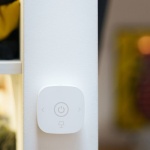
- Timer scene: A smart button that dims light and starts a 5-minute stretch soundtrack.
- Window micro-zone: A stool by the sunniest pane for mindful breathing.
- Snack station: Nuts, fruit, and water visible beats impulse grazing elsewhere.
Pack-Away Boundaries
Use a rolling cart, fold-down desk, or lidded ottoman to hide work after hours. When tools disappear, the mind follows—crucial for evening wind-down.
Nourishment: Kitchen Rituals That Flow
Kitchens are choreography. Small tweaks can unlock smoother cooking and cleanup.
Mise en Place by Design
- Zones: Prep (board + knives), cook (heat + utensils), plate (dishes + garnishes), clean (sink + drying).
- Golden triangle: Fridge, sink, stove arranged for minimal steps.
- Decant essentials: Oil, salt, pepper, and tongs live within arm’s reach of the stove.
Weeknight Dinner Without the Drama
- Menu rail: Clip board or magnetic strip with 3 go-to recipes.
- Batch zone: Clear bin for prepped components; label by day.
- Cleanup cadence: Soapy bin in sink during cooking; utensils go in immediately for painless washing.
Shared Meals as Ritual
- Table lighting: Pendant on a dimmer anchors conversation.
- Tablescape kit: Runner, candles, napkins in a single drawer so “special” is easy on any Tuesday.
- No-phone basket: A graceful boundary that protects connection.
Evening Wind-Down: Unplug, Reflect, Restore
Evening design is about softness and sequence—transitioning from stimulation to restoration.
Digital Sunset
- Charging ritual: Dock devices in the hallway or kitchen, not the bedroom.
- Lighting shift: At sunset, a smart scene warms and dims. Table lamps take over from overheads.
- Soundscape: Low, slow tempos; a single playlist associated with reading time.
Bath as Sanctuary
- Tray + towel ladder: Corral bath salts, brush, and book; dry towels breathe better.
- Low light: Candle or dimmable sconce; avoid bright mirrors after dusk.
- Texture: A plush mat underfoot tells the nervous system it’s safe to drop the day.
Reading and Journaling Nook
- Chair fit: Slight recline with lumbar cushion; a side table for tea.
- Task lamp: Warm and targeted, avoiding glare on paper.
- Kit in a box: Journal, pen, highlighter, card deck—ready to open without searching.
Bedroom Sleep Sanctuary
- Cool, dark, quiet: Blackout panels, eye mask, earplugs in a bedside tray.
- Bedding layers: Breathable natural fibers; a lighter layer for seasonal shifts.
- Bedside minimalism: Only what supports rest: book, clock, water, soft light.
Designing for Shared Homes: Partners, Kids, Roommates, Pets
Multiple routines can coexist when the space clarifies lanes and respect.
Coordinate Overlapping Routines
- Opposite corners: Meditation in one zone, TV in another; use rugs and screens to separate sound and sightlines.
- Staggered lighting: Warm dimmers near sleepers, brighter task lights where activity continues.
- Labels and agreements: Shared baskets and chore cards reduce friction.
Integrate Pet Rituals
- Entry station: Leash hook, towel, treat jar—walks start smoothly.
- Feeding mat: Washable, tucked but visible to keep schedule consistent.
- Play basket: Toys corralled in a lidded bin; rotate weekly for novelty.
Small Spaces and Rentals: Flexibility Without Compromise
Rituals thrive in rentals with reversible moves and multi-tasking furniture.
Invest in Multi-Function Pieces
- Extendable table: Solo desk by day, dinner table by night.
- Storage ottoman: Hides work kit after hours; doubles as extra seating.
- Wall rails: Clip shelves, hooks, and baskets—high impact, few holes.
Renter-Friendly Upgrades
- Plug-in sconces: Layered light without rewiring.
- Peel-and-stick: Backsplashes, tiles, and wallpaper to define zones.
- Freestanding screens: Create privacy for meditation or meetings.
Style Meets Substance: Aesthetics That Support Habits
Beauty is behavior’s ally when form follows function and function invites delight.
Color Psychology
- Cool, light hues for focus and calm; warm, saturated tones for convivial dining.
- Monochrome foundations reduce visual noise; accents highlight ritual spots.
- Evening palettes skew warmer to cue wind-down.
Biophilic Touches
- Plants and natural materials lower stress and improve air feel.
- Nature imagery in art and textiles nurtures restoration.
- Daylight maximization via mirrors and light curtains boosts morning energy.
Smart Home as Ritual Co‑Pilot
Automation is most powerful when it’s simple, predictable, and privacy-conscious.
Scene-Based Simplicity
- Good Morning: Shades up 30%, kettle on smart plug, soft playlist.
- Focus: Overhead off, task lights on; notifications muted.
- Wind-Down: Lights to 20%, diffuser on, devices lock to downtime.
Use physical buttons for guests and kids; no one should need an app to turn on a lamp.
Maintenance as a Gentle Ritual
Spaces stay supportive when resets are small and regular.
Daily and Weekly Resets
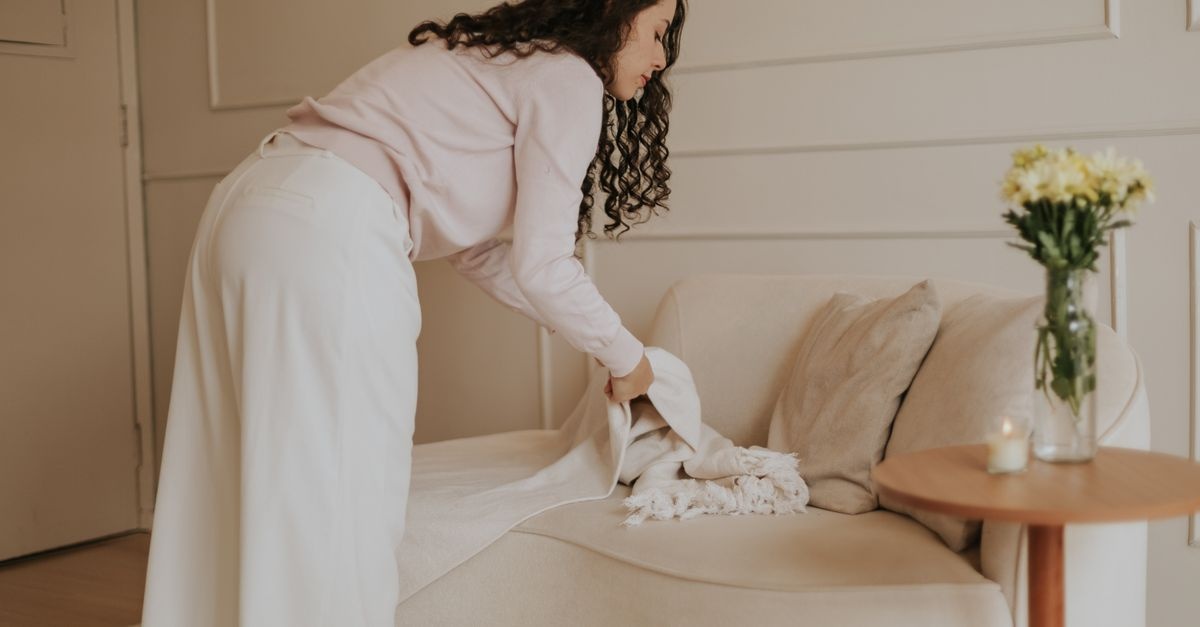
- 2-minute rule: If it takes less than two minutes (wipe the counter, fold the throw), do it now.
- Basket sweep: Each evening, one basket per room to collect and re-home items.
- Weekly zone hour: Rotate deep-tidy focus: entry, kitchen, bath, bedroom.
Seasonal Refresh
- Quarterly audit: Retire tools or decor that no longer support your rituals.
- Textile swap: Lighter weaves for spring/summer, cozier layers for fall/winter.
- Ritual re-map: Adjust zones for schedule changes (school year vs. holidays).
Budget and Sustainability: High-Impact, Low-Waste Moves
Intentional design doesn’t require a full gut or fast decor churn.
Prioritize the Habit Bottlenecks
- Lighting first: A couple of dimmable lamps can transform evenings.
- Storage second: Hooks, trays, and drawer dividers beat more furniture.
- Textiles third: Rug + throw + cushion can define a ritual zone affordably.
Buy Less, Choose Better
- Thrift and repair: Solid wood, vintage lamps, quality textiles age gracefully.
- Modular pieces: Adapt as life changes; fewer replacements, less waste.
- Non-toxic finishes: Support wellness in spaces where you breathe, sleep, and cook.
Putting It All Together: A One-Day Walkthrough
Imagine your day in a ritual-aligned home:
- 6:45 a.m. A sunrise lamp glows. You reach for water, not your phone. Sheer curtains invite daylight.
- 7:00 a.m. You step onto a mat beside the bed for three stretches; a citrus scent quietly lifts the room.
- 7:15 a.m. In the kitchen, a tray holds kettle, tin, and cup. The counter is clear; tea is a two-step joy.
- 8:30 a.m. At the desk, task light clicks on and a chair supports posture. Cables vanish into a tray; your mind follows.
- 12:00 p.m. A timer triggers a break. You perch by the brightest window for a five-minute reset.
- 6:30 p.m. Pendant dims over dinner. A no-phone basket keeps talk easy. Cleanup flows because the sink is prepped.
- 8:45 p.m. Devices dock by the door. Lamps shift to amber. The reading nook’s cushion remembers your shape.
- 10:15 p.m. Bedroom is cool and dark. Only a book, clock, and water stay bedside. Sleep arrives like a friend who knows the way.
Checklist: Turn Ritual Ideas into Design Actions
- List your top five daily rituals (morning drink, movement, focus, meal, wind-down).
- Assign or refine a zone for each; define with light, surface, and storage.
- Place the first tool of each ritual in plain sight (carafe, mat, journal).
- Hide distractions (work kit, remotes) when they don’t serve the current mode.
- Create two lighting scenes: Focus and Wind-Down; add a physical button.
- Choose one scent per time block (morning, evening) to anchor transitions.
- Set up a nightly reset ritual that takes 10 minutes or less.
If you are exploring how to design interiors around daily rituals, this checklist turns big ideas into tomorrow’s first steps.
Common Pitfalls—and Elegant Fixes
- Pitfall: Overcrowding zones with gear. Fix: Keep only ritual-critical tools visible; store the rest.
- Pitfall: Harsh overheads at night. Fix: Two lamps with warm bulbs and dimmers change everything.
- Pitfall: Work creeping into leisure areas. Fix: Pack-away carts and lidded ottomans enforce boundaries.
- Pitfall: Noisy appliances near sleepers. Fix: Rearrange or add buffers; schedule loud tasks earlier.
- Pitfall: Relying on willpower. Fix: Use sensory cues and convenience to make the right action automatic.
Conclusion: A Home That Helps You Be You
When you design for rituals first, your home stops asking for constant effort and starts giving it back. Light lifts you gently into morning; the desk invites depth; the kitchen makes nourishment simple; lamps and textures carry you into rest. Start small—choose one routine to elevate this week. Edit a surface, add a cue, polish the sequence. If you keep asking, “What would make this ritual easier and more delightful?” you’ll naturally discover how to design interiors around daily rituals that fit your life and evolve with it.
From wake-up to wind-down, let your space become a quiet partner in the daily art of living well.