Smart speakers dim the lights, apps tweak thermostats, dashboards track kilowatts—yet many households still wonder: which upgrades truly cut energy and emissions, and which are just expensive toys? This deep-dive separates signal from noise, exploring smart home and ecology–facts and myths with plain-English guidance, practical checklists, and a clear sense of payoff. You’ll learn what matters most (HVAC, insulation, lighting), what helps in the right context (smart plugs, shades, occupancy sensors), and what rarely moves the needle (gadgetry without strategy). If your goal is a quieter energy bill and a smaller carbon footprint, this is your roadmap.
The Short Answer: What Really Cuts Bills and Carbon
Before we unpack details, here’s the high-impact shortlist. If you do nothing else, do these first—in roughly this order—and layer “smart” controls where they add verifiable value.
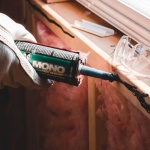
- Seal and insulate the envelope: Air sealing and insulation reduce heating/cooling demand at the source, often outperforming gadgets in payback and comfort.
- High-efficiency HVAC (often a heat pump): Modern heat pumps can deliver 2–4× more heat per kWh than resistance systems and cool efficiently; pair with smart thermostats for automated scheduling and setbacks.
- LED lighting + controls: LEDs cut lighting energy by ~75–85% vs incandescent. Add occupancy/daylight sensors for rooms with variable use.
- Water heating: Lower setpoint to safe-minimums, insulate pipes, install heat pump water heaters where feasible, and run laundry on cold.
- Smart scheduling around rates: On time-of-use tariffs, shift EV charging, dishwashing, and water heating to off-peak. Enroll in demand response if available.
- Solar where it pencils out: Rooftop PV often beats most gadgets in lifetime carbon reduction; storage can help self-consumption and resilience but isn’t always greener by default.
- Kill phantom loads: Use smart plugs or power strips to turn off idle electronics (phantom loads can be 5–10% of use).
- Cook and ventilate smart: Induction is efficient and responsive; with gas, use a range hood for indoor air quality and heat control.
- Measure, then optimize: Track whole-home kWh and per-device data; adjust schedules, scenes, and habits based on actual numbers.
Smart home and ecology–facts and myths: Separating Signal from Hype
“Smart” is only green when it changes the energy equation or supports durable behavior change. Let’s tackle common claims.
Myths that won’t save much (or can even backfire)
- “A smart fridge will slash my bills.” Modern fridges are already efficient; “smart” features add convenience, not major kWh cuts. Savings from better door discipline or alerts are marginal compared to HVAC improvements.
- “A smart meter reduces energy by itself.” Smart meters provide data. Without actions—adjusting thermostats, shifting loads, sealing leaks—data alone doesn’t lower usage.
- “Every battery makes a home greener.” Storage can reduce peak grid emissions and improve resilience, but lifecycle impacts and charging mix matter. Pair batteries with TOU shifting and solar to increase ecological benefit.
- “Voice assistants save energy.” Voice control is convenient. Energy savings require what they control (e.g., turning off lights) and when. Novelty fading leads to rebound if automations aren’t thoughtfully designed.
- “More sensors = more savings.” Sensors help, but excessive hardware adds embodied carbon and complexity. Target high-use zones (HVAC, lighting in busy rooms) instead of blanketing the house.
Facts that consistently deliver
- Smart thermostats with occupancy/geofencing: Automated setbacks and schedule optimization can meaningfully reduce heating and cooling use, particularly in variable-occupancy homes and climates with large heating/cooling loads.
- LED + occupancy/daylight sensors: Lighting controls shine in intermittently used spaces (bathrooms, halls, garages) and daylit rooms, turning “off” into the default.
- Heat pumps + zoning: Variable-speed systems paired with room-by-room controls avoid over-conditioning. Zonal control prevents heating/cooling empty rooms.
- Automated shades: Close on hot afternoons to cut solar gain; open on sunny winter days to warm rooms passively. Integrate with weather forecasts for best results.
- Smart EV charging: Shift charging off-peak, align with high-renewable hours when possible, and cap current to the minimum needed for next-day mobility.
Where the Energy Goes at Home (and Why That Matters)
Without a mental map, it’s easy to overinvest in small loads. In many regions and building types, the big buckets look like this:
- Space heating and cooling: Frequently the largest share. The colder or hotter the climate, the bigger this slice.
- Water heating: A consistent runner-up; long showers and high setpoints add up.
- Lighting and refrigeration: Smaller than HVAC but persistent, making efficient tech plus controls valuable.
- Electronics and phantom loads: TVs, game consoles, cable boxes, routers, chargers—small individually, sizable together, and often always on.
- Cooking and laundry: Important but spiky; opportunity lies in shifting timing and using efficient modes (induction, cold-wash, air-dry).
Spend your first dollars where they touch these big loads, then use automation to lock in the gains.
Device-by-Device: What Works, When, and Why
HVAC and Thermostats
Heating and cooling is the main event in most homes. Smart controls can trim waste, but equipment efficiency and the building envelope do the heavy lifting.
- Smart thermostat essentials: Program schedules; use geofencing to set back when the home is empty; enable adaptive recovery to pre-heat/cool efficiently. Pair with remote sensors to condition where you are, not just where the thermostat sits.
- Setpoints and setbacks: In winter, try lower setpoints when sleeping/away; in summer, raise them. Even small changes (1–2°C/2–4°F) can yield noticeable savings with minimal comfort trade-off.
- Heat pumps: Where climate-appropriate, a heat pump can replace furnace + AC with one efficient system. For cold climates, look for cold-climate heat pumps with strong low-temp performance.
- Zoning vs. whole-home: If existing ducts make zoning hard, consider mini-split heat pumps for targeted rooms. Avoid heating/cooling unoccupied spaces.
- Maintenance: Clean filters; ensure vents are unblocked; check refrigerant charge; and tune up annually. Automation can’t overcome neglected equipment.
Smart Lighting
LEDs are a near “no-brainer.” The “smart” layer adds timing and responsiveness.
- LED retrofit first: Swap incandescents/halogens for LEDs with high CRI for quality light. This alone slashes lighting energy.
- Occupancy and vacancy sensors: Bathrooms, closets, basements, and kids’ rooms benefit from automatic off. Vacancy mode (manual on, auto-off) prevents false-ons.
- Daylight harvesting: Use photocells or schedules to dim/turn off lights near windows during bright hours.
- Scenes: Create “Goodnight” and “Away” scenes that ensure everything unnecessary is off with one tap or voice command.
- Color and circadian: Nice for health and comfort, but color effects don’t save energy by themselves—pair with dimming and auto-off.
Plugs and Phantom Loads
Idle electronics sip power all day. The fix is simple and cheap, especially with visibility from a smart energy monitor.
- Smart plugs: Use on entertainment centers, office gear, and decor lighting; schedule nightly shutdowns.
- Advanced power strips: Master-controlled strips kill peripherals when the TV or PC goes off.
- Router and modem: Keep on if needed for security systems or remote access; otherwise, schedule a nightly reboot/off window if feasible.
- Measure first: A plug-level meter reveals surprise hogs; replace or re-schedule accordingly.
Water Heating and Laundry
Hot water is energy-dense; small tweaks can pay back fast.
- Setpoint tuning: Use the lowest safe setpoint; insulate hot-water pipes, especially near the tank.
- Heat pump water heaters: Great in basements/garages where dehumidification helps; schedule heat cycles off-peak.
- Laundry habits: Cold-wash routinely; use high spin speeds; air-dry when possible; and run full loads.
- Smart scheduling: If on TOU rates, run dishwasher and laundry off-peak and align with solar production if you have PV.
Kitchen: Cooking, Refrigeration, and Ventilation
Kitchens mix continuous loads (fridge) and short spikes (cooking).
- Efficient fridge/freezer: Choose an Energy Star model sized to your household; keep coils clean and door seals tight.
- Induction cooking: Fast, efficient, and cooler for the room; swapping a worn electric cooktop for induction can reduce cooking energy and improve comfort.
- Range hoods: Use whenever you cook (especially gas) to remove heat and pollutants; enable auto-on scenes with smart cooktops or occupancy sensors.
- Dishwashers: Use eco cycles and air-dry; delay start to off-peak windows.
Windows, Shades, and the Envelope
Automation enhances a tight, insulated shell—it doesn’t replace it.
- Air sealing: Caulk gaps, seal attic penetrations, and weatherstrip doors. A blower-door test identifies the biggest leaks.
- Insulation: Target attic and walls first; then floors over unconditioned spaces. Combine with smart thermostats for maximum effect.
- Smart shades: Tie to sun angle and weather forecasts: block summer sun, harvest winter sun.
- Window upgrades: When replacing anyway, choose low-e, high-performance glazing. Avoid replacing windows only for energy unless existing units are failing; insulation may yield better ROI.
Solar, Batteries, and the Grid
Renewables plus smart control can dramatically shrink operational emissions when matched to your tariff and climate.
- Rooftop PV: If roof orientation and shading cooperate, PV often delivers the largest lifetime carbon reduction of any residential upgrade.
- Storage: Use batteries to shift to off-peak or high-renewable hours, back up critical loads, and support self-consumption. Evaluate life-cycle impacts and grid mix before buying.
- Smart inverter and load control: Curtail non-essential loads during peak pricing; pre-heat water or pre-cool rooms when solar production is high.
Measuring and Verifying Savings (So You Know What’s Real)
To cut through hype, adopt a measurement-first mindset. Treat your home as a living lab with feedback loops.
Whole-home, meter-based approach
- Baseline: Record 30–60 days of kWh and, if applicable, gas/heat fuel usage across typical weather.
- Normalize for weather: Compare usage with heating degree days and cooling degree days to fairly assess HVAC changes.
- Track bills and intervals: Smart meters often expose 15–60 minute data; look for drops after changes and during automations.
Device-level monitoring
- Smart plugs with metering: Quantify TVs, office gear, and small appliances individually.
- Circuit-level monitors: Panel-based sensors reveal large loads (HVAC, oven, EV charger) without every device needing a plug.
- Dashboards and alerts: Use thresholds and notifications to catch anomalies (HVAC stuck on, water heater running at odd hours).
KPIs to watch
- kWh per day by season and occupancy.
- Peak demand during utility peak windows.
- Load shifting share: Percent of high-load tasks moved off-peak.
- Standby share: Overnight/base-load kWh; aim to ratchet it down.
- Comfort metrics: Temperature/humidity bands and hot/cold spot reduction.
Life-Cycle and Ecology Beyond kWh
Ecology is more than the monthly bill. Consider embodied carbon, e-waste, and data practices when planning upgrades.
- Embodied carbon vs. operational savings: Replacing a working device with a “smart” version only pays off if lifetime energy/emissions savings outweigh the manufacturing footprint. Add-on retrofit controls (smart switches, plugs, thermostats) can upgrade legacy gear without scrapping it.
- Longevity and repairability: Choose ecosystems with open standards (Matter, Thread, Zigbee/Z-Wave) and long support horizons. Avoid frequent replacement cycles that erase ecological gains.
- Privacy and security: Sustainable tech also respects users. Use strong passwords, local processing where possible, and minimal data sharing. A breach-driven replacement is its own form of waste.
Avoiding Rebound Effects and Common Pitfalls
Energy can creep back when convenience encourages overuse—a phenomenon known as rebound.
- Comfort creep: After upgrades, people lengthen seasons of cooling/heating or drop/raise setpoints. Keep “guardrails” in your automations.
- Over-automation: Too many scenes and rules break or annoy, leading to manual overrides. Start simple; iterate based on data.
- Interoperability gaps: Locked-in ecosystems push premature replacement. Favor devices that work across platforms and support local control.
- “Set it and forget it” syndrome: Revisit schedules seasonally; what worked in spring may waste energy in winter.
Renters vs. Homeowners: Practical Roadmaps
Renters: Portable, low-risk wins
- Smart thermostat (if allowed) or room-level controls: Use geofencing and schedules.
- LED bulbs you can take with you; add smart switches for lamps.
- Smart plugs for entertainment, office, and decor; nightly shutdown automations.
- Draft stoppers, weatherstripping, and thermal curtains; portable window inserts for leaky panes.
- Humidifier/dehumidifier with smart controls to increase comfort without big setpoint changes.
Homeowners: Structural + smart integration
- Home energy audit (blower door + IR imaging) to target air sealing and insulation.
- Heat pump HVAC with zoning and smart thermostat; integrate with smart shades and occupancy sensors.
- Heat pump water heater and recirculation timer or on-demand pump.
- Rooftop solar aligned with tariffs; consider battery if you have frequent outages or punitive peaks.
- Smart panel or load controller for demand management and EV charging optimization.
Climate-specific tweaks
- Cold climates: Prioritize insulation, air sealing, and cold-climate heat pumps; use smart shades for daytime solar gain; monitor humidity to prevent condensation.
- Hot/humid climates: Emphasize sealing and shading; dehumidification improves comfort at higher temps; use ceiling fans with occupancy-based auto-off.
- Dry climates: Evaporative cooling can be efficient; automate based on outdoor humidity and indoor comfort sensors.
Costs, Payback, and Incentives
Every home is different, but patterns emerge. Combine smart controls with efficient equipment for best economics.
- Low-cost, fast payback: LEDs, smart plugs, weatherstripping, pipe insulation, thermostat scheduling. Often pay back within months to a year.
- Mid-cost, medium payback: Smart thermostats, occupancy sensors, smart switches, smart shades (in sunny climates), heat pump water heaters. Payback typically a few years, depending on energy prices.
- High-cost, high impact: Heat pump HVAC, insulation and air sealing, rooftop PV, smart electrical panels, battery storage (context-dependent). ROI varies with climate, rates, and incentives.
- Incentives: Look for rebates, tax credits, and grid programs (TOU, demand response). Smart devices can automate participation and amplify savings.
30-Day Action Plan: From Curiosity to Verified Savings
Here’s a practical sprint to convert “Smart home and ecology–facts and myths” into results you can see on your bill.
- Week 1: Measure and map
- Pull last 12 months of energy bills; calculate average daily kWh by season.
- Install a whole-home monitor or enable smart meter data access.
- Inventory big loads (HVAC, water heater, EV, oven) and always-on devices.
- Week 2: Quick wins
- Replace remaining incandescents with LEDs.
- Set thermostat schedules and geofencing; add remote room sensors where needed.
- Install smart plugs on entertainment and office clusters; create nightly off scenes.
- Seal obvious drafts; insulate hot water pipes; lower water heater setpoint to safe minimums.
- Week 3: Automate intelligently
- Create Away, Goodnight, and Morning scenes that respect comfort guardrails.
- Set EV charging to off-peak or high-renewable windows.
- Program shades to block afternoon sun and open on winter mornings.
- Enable alerts for abnormal base load or HVAC runtime spikes.
- Week 4: Verify and iterate
- Compare kWh and peak demand to Week 1; adjust schedules to close gaps.
- Price out deeper upgrades (insulation, heat pump, heat pump water heater, PV) using your measured loads to size correctly.
- Enroll in demand response or TOU if available; align automations accordingly.
FAQ: Quick Takes on Common Debates
- Do smart blinds really help? In sunny climates and west-facing rooms, automated shading can cut cooling loads, especially when paired with pre-cooling strategies and weather-aware schedules.
- Is a robot vacuum an energy hog? No. Its energy use is tiny compared to HVAC. Keep floor heat and cooling smart—that’s where the real savings lie.
- Smart bulbs or smart switches? For lamps and tunable color, bulbs shine. For whole-room control and longevity, switches are often the greener, more universal retrofit.
- Will local control save energy? Indirectly. Local automations are faster and more reliable, so “Off” actually happens when it should, and privacy-centric designs reduce the risk of premature replacement.
- How often should I revisit automations? Seasonally. Update setpoints, light schedules, and shade logic as daylight hours and weather shift.
Conclusion: Greener Truths for Smart Living
The smartest home isn’t the one with the most devices—it’s the one that continually learns and improves. Start with the big loads, measure relentlessly, and add automation where it locks in real, verified gains. Along the way, weigh embodied carbon, privacy, and longevity. By focusing on proven strategies—envelope upgrades, efficient HVAC and water heating, LED lighting, and thoughtful automation—you’ll turn the promise of a connected home into tangible progress for both your wallet and the planet.
In other words, when you weigh smart home and ecology–facts and myths, bet on efficiency fundamentals first, then let smart tech amplify the wins. That’s how you build a home that’s comfortable, resilient, and truly sustainable.