When done with strategy and precision, renovations can do more than refresh a space—they can elevate market appeal, shorten days on market, and make appraisals more favorable. This value-driven guide shows you how to connect design decisions to market realities, ensuring every dollar you spend has a purpose. Instead of chasing trends that fade, we’ll focus on timeless improvements that strengthen buyer confidence and demonstrate genuine quality. Consider this your roadmap to aligning home improvements with resale potential and long-term enjoyment—your blueprint for connecting home renovation and property value without overbuilding or overspending.
Why Value-Focused Renovation Works
The psychology of buyers and appraisers
Most buyers don’t want projects—they want proof of care. Clean lines, updated systems, efficient layouts, and stylish but durable finishes translate to lower perceived risk and higher willingness to pay. Appraisers also look for recent improvements, functional gains, and comparable sales that reflect your upgrades. When value-building changes are documented with receipts, permits, and warranties, they carry more weight during appraisal and negotiation.
Cost versus value, realistically
Return on investment (ROI) varies by market, but patterns are consistent. Projects that solve problems, reduce maintenance, and lower utility bills tend to recoup more. Highly personal, ultra-luxury upgrades rarely pay off dollar-for-dollar unless your neighborhood supports them. The sweet spot is midrange quality with thoughtful design—excellent materials where they count (surfaces, hardware, lighting), and cost-savvy choices where they don’t (hidden structure, standard dimensions, pre-finished components).
Market timing and neighborhood context
Your zip code sets expectations. The same renovation may soar in one market and stall in another. Study neighborhood comps, note the features top listings share, and avoid outspending the ceiling price. In hot markets, speed to completion matters; in slower markets, timeless quality and energy efficiency can be the tie-breakers.
Your Renovation Roadmap
Step 1: Assess and prioritize
- Inspect first: Address roof leaks, foundation movement, moisture, electrical hazards, old plumbing, and HVAC issues before cosmetics. Deferred maintenance erodes trust and value.
- Define the objective: Is this a pre-sale refresh, equity build for a refinance, or long-term enjoyment with eventual resale? Your timeline shapes your scope.
- Identify value levers: Kitchens, baths, curb appeal, energy efficiency, and layout optimization typically deliver the best returns.
Step 2: Budget like a pro
- Set a total budget with a 10–20% contingency for surprises (rot, code updates, material delays).
- Phase smartly: Start with exterior protection and systems, then move to kitchens/baths, then finishes, then staging.
- Prioritize durability: Choose materials that look great today and age well—buyers notice wobbly faucets and peeling veneers.
Step 3: Legal, financing, and logistics
- Permits and codes: Structural changes, electrical, plumbing, and additions nearly always need permits. Unpermitted work can tank deals and appraisals.
- Financing options: Consider a HELOC, cash-out refinance, or renovation loans (such as FHA 203(k) in the U.S.). Factor interest and closing costs into ROI.
- Insurance and warranties: Verify contractor insurance, get manufacturer warranties in writing, and keep all documentation in a project binder for buyers and appraisers.
High-ROI Interior Upgrades
Kitchen: Modern, functional, and buyer-friendly
Kitchens sell homes—but you don’t need a chef’s fantasy to add value. Focus on layout, storage, lighting, and surfaces that balance elegance with resilience.
- Layout and flow: Improve work triangles and clearances. A modest island with seating can transform usability without a full gut.
- Cabinets: If frames are solid, paint and reface with quality hardware. Add soft-close hinges and full-extension drawers.
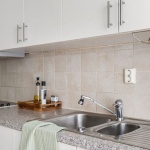
- Counters and backsplash: Durable quartz or high-grade composite for counters; classic tile or slab backsplash keeps it timeless.
- Appliances: Energy-efficient, midrange stainless with consistent finishes. Panel-ready options elevate the look.
- Lighting: Combine recessed, under-cabinet, and statement pendants for layered illumination and high CRI bulbs.
- Plumbing fixtures: Single-handle, pull-down faucets with ceramic cartridges read as quality.
Keep colors neutral and introduce personality through changeable elements—art, stools, and textiles—so buyers can see themselves there.
Bathrooms: Clean, bright, and practical
- Finishes: Porcelain tile, acrylic or cast-iron tubs, and well-sealed grout reduce maintenance.
- Function: Curbless showers, handheld sprayers, and niches increase usability, safety, and style.
- Ventilation: Quiet, humidity-sensing fans protect against mold—an invisible but crucial value point.
- Lighting and mirrors: Add task lighting at eye level; dimmers for ambience.
- Powder room addition: A small half-bath can dramatically lift perceived convenience and resale appeal.
Floors, paint, and lighting: The silent sales team
- Flooring: Hardwood (site-finished or engineered), luxury vinyl plank in moisture-prone zones, and large-format tile in baths/laundry. Replace stained carpet—especially in primary bedrooms.
- Paint: Light, neutral palettes with a clean white trim. High-traffic eggshell/satin in living areas; semi-gloss in wet zones.
- Lighting: Warm-white LEDs (2700–3000K), high-CRI bulbs, and thoughtfully placed fixtures reduce shadows and elevate finishes.
Storage and function upgrades
- Built-in organization: Closet systems, a mudroom bench, and pantry pull-outs convert square footage into livable space.
- Laundry optimization: Counter space, cabinets, and a sink modernize daily routines.
- Home office: A compact, acoustically considered office niche or room—wired for data—remains a strong post-2020 value add.
Smart home technology that actually helps resale
- Thermostats and zoning: Programmable or smart thermostats, with zoned HVAC where feasible, trim bills and boost comfort.
- Security and access: Smart locks, doorbell cams, and alarm systems increase perceived safety.
- Lighting control: Smart dimmers and scenes make everyday living intuitive and efficient.
- Water monitoring: Leak sensors and auto-shutoff valves protect finishes—and your investment.
Choose platforms that are brand-agnostic and user-friendly so buyers aren’t locked into one ecosystem.
Energy Efficiency and Performance Upgrades
Envelope first: Insulation and air sealing
- Air sealing: Caulk, weatherstrip, and seal penetrations to stop drafts—often the best dollar-for-dollar savings.
- Insulation: Attic and rim joist upgrades deliver immediate comfort. Consider dense-pack cellulose or spray foam where appropriate.
- Windows and doors: Replace failing units with double- or triple-pane, low-E windows; upgrade exterior doors for efficiency and security.
HVAC, water heating, and indoor air quality
- HVAC: Right-size equipment; consider variable-speed heat pumps for efficiency across seasons.
- Water heaters: Heat pump or tankless models cut energy use and free space.
- Ventilation: Balanced fresh air (ERV/HRV) where feasible; MERV-13 filtration; sealed ductwork for performance.
Renewables and readiness
- Solar-ready: Conduit runs, roof load review, and smart panel space prep you for future PV.
- EV-charger ready: A 240V circuit in the garage signals future-proofing to buyers.
- Incentives: Explore local rebates and tax credits for insulation, heat pumps, windows, and solar—documentation helps during appraisal.
Efficiency isn’t just green; it’s a selling feature. Lower utility bills improve affordability metrics buyers and lenders care about.
Curb Appeal and Exterior Impact
First impressions that convert showings into offers
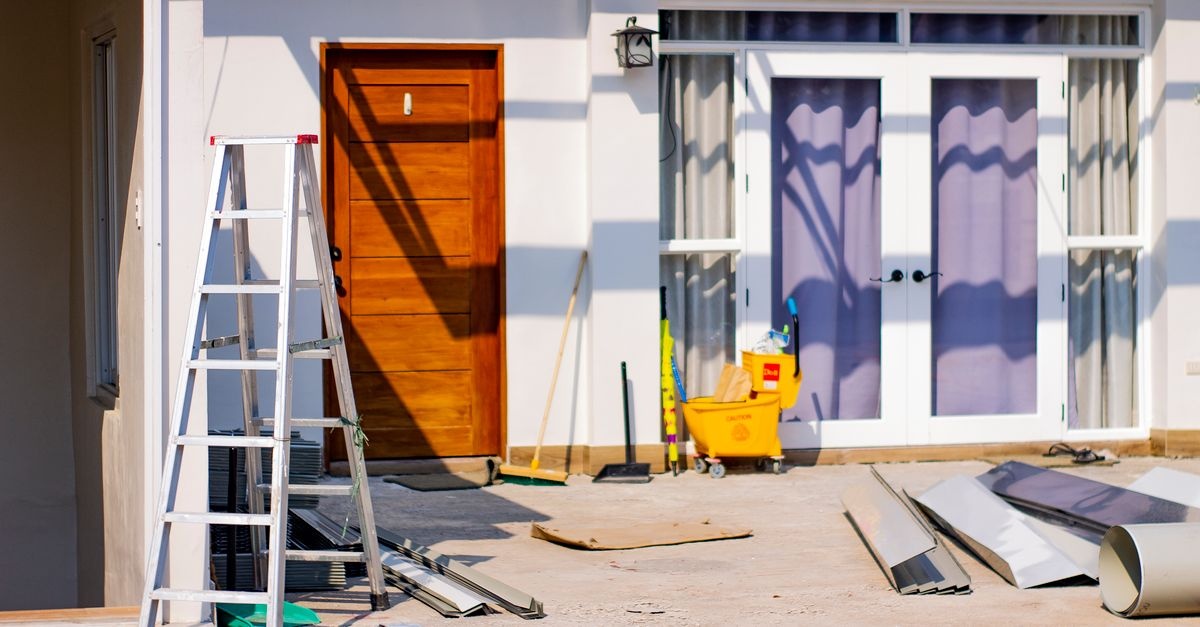
- Front door and hardware: A new, solid entry door with quality hardware and a bold but tasteful color hints at care inside.
- Garage door replacement: Often one of the highest-ROI exterior swaps—quiet, insulated, and stylish.
- Siding and paint: Repair, clean, and paint for crisp lines. Fiber-cement or engineered wood blends durability with curb appeal.
Landscaping that lifts value without lifting your budget
- Native and drought-tolerant plants: Low maintenance, high impact; define beds with clear edges and mulch.
- Hardscape and lighting: Walkways, house numbers, mailbox, and low-voltage path lights improve safety and style.
- Irrigation: Drip systems and smart controllers conserve water and protect your investment.
Outdoor living: Extend the usable square footage
- Decks and patios: Quality composite decking or well-finished stone patios feel like an extra room.
- Pergolas and shade: Simple structures create zones for dining and lounging—high impact for photos and showings.
- Outdoor kitchen or fire feature: Scale to your market; a modest grill station and seating often outperform lavish builds.
Space and Layout Improvements
Open without overexposing
Buyers love openness—but not echoes. Remove non-load-bearing walls to connect kitchen, dining, and living areas, then use lighting, ceiling details, and furniture placement to define zones. If a load-bearing wall must go, a concealed beam maintains clean lines. Always verify structure before demo.
Basements and attics: From storage to value
- Basements: Address moisture with drains and vapor barriers first. Add insulation, sound control, and egress-compliant sleeping spaces to count as bedrooms in many markets.
- Attics: Dormers or structural reinforcement can transform underused space into an office, studio, or suite—mind local codes for ceiling height and exits.
Bedrooms and baths that hit buyer checklists
- 3-bed/2-bath target: In many markets, hitting this baseline materially boosts demand.
- Primary suite: A well-planned ensuite with a double vanity and walk-in shower frequently tips the scales.
- Hall bath refresh: Keep it bright, hygienic, and hotel-clean—buyers remember grime more than glamour.
ADUs and income potential
- Accessory dwelling units: Where zoning allows, ADUs or garage apartments can create rental income and strong perceived value.
- Separate entrances and sound control: Crucial for livability and tenant privacy.
- Permits and zoning: Strictly adhere to local rules—unpermitted rentals can collapse a sale.
Health, Safety, and Resilience
Invisible upgrades that protect value
- Environmental risks: Test for lead paint, asbestos, radon, and mold—mitigation proves diligence.
- Electrical safety: Panel capacity, GFCI/AFCI protection, grounded outlets, and aluminum wiring remediation if present.
- Plumbing updates: Replace polybutylene or galvanized pipes; install pressure regulators and expansion tanks where required.
Resilience against the unexpected
- Seismic or wind retrofits: Foundation bolting, shear walls, and hurricane straps reduce disaster risk and may lower insurance.
- Roof and drainage: A watertight roof, clean gutters, and correct grading are foundational to preserving finishes.
- Fire resistance: Class A roofing, ember-resistant vents, and defensible landscaping in wildfire regions.
Universal design and aging in place
- No-step entries and wider doorways: Low visual impact, high accessibility dividends.
- Blocking for future grab bars: Hidden prep now saves cost later.
- Lever handles and rocker switches: Small touches that read as modern and inclusive.
Project Management and the Right Team
Contractor selection and scope control
- Get 3 comparable bids: Provide the same scope and finishes list to each contractor to compare apples-to-apples.
- Check references and licenses: Verify insurance and past performance; visit a current jobsite if possible.
- Contracts and change orders: Use written scopes, milestone schedules, lien waivers, and a clear change-order process.
DIY versus hiring out
- DIY candidates: Painting, simple demolition, landscaping, and non-structural trim can save money.
- Hire pros for: Structural work, roofing, electrical, plumbing, HVAC, waterproofing, and anything requiring permits.
- Quality control: Inspect daily, photograph progress, and keep a punch list—communication prevents cost creep.
Budgeting, Appraisals, and Cost–Value Alignment
Build a budget that earns its keep
- Allocate by impact: Spend on kitchens, baths, flooring, and curb appeal first. Consider value engineering for less visible items.
- Track every dollar: Use a spreadsheet with line items for labor, materials, permits, design, and contingency.
- Buy smart: Shop sales for fixtures and tile; select in-stock sizes; mix splurge elements with affordable staples.
What appraisers and buyers reward
- Permitted work and documentation: Receipts, warranties, manuals, and permit finals can justify higher valuations.
- Comparable sales alignment: Ensure your upgrades match or gently lead the market—not outpace it.
- Energy and systems: New roofs, HVAC, windows, and insulation are valued for reducing ownership risk.
Selling Strategy: Turn Upgrades into Offers
Pre-list prep that pays off
- Pre-listing inspection: Fix easy items proactively and disclose improvements with confidence.
- Staging and photography: Neutral, decluttered rooms with balanced lighting photograph beautifully; list features prominently.
- Feature sheets: Provide a one-page summary of upgrades, energy savings, and warranties—make the value story obvious.
Timing and marketing
- List with the season: Showcase outdoor spaces in spring/summer; emphasize energy efficiency before winter.
- Highlight differentiators: Smart features, EV readiness, low maintenance, and flexible spaces like a home office or ADU.
- Local lens: Emphasize school districts, walkability, and commute benefits that your improvements complement.
Common Mistakes That Undercut Value
- Over-personalization: Niche colors or hyper-specific features limit your buyer pool.
- Skipping permits: Unpermitted work is a red flag; buyers and lenders may balk.
- Ignoring maintenance: Shiny counters can’t distract from a leaky roof or peeling paint.
- Cutting corners: Cheap fixtures and poor workmanship stand out—and invite price reductions.
- Overbuilding: Going ultra-luxe in a modest neighborhood rarely pencils out.
Regional and Market Nuances
Not all upgrades carry equal weight in every region:
- Cold climates: Triple-pane windows, tight envelopes, and mudrooms matter.
- Hot/humid zones: Dehumidification, cool roofs, and durable exterior finishes lead.
- Coastal areas: Corrosion-resistant hardware, impact windows, and flood-aware materials pay off.
- Urban condos: Storage solutions, acoustics, and in-unit laundry may outrank yard work.
Measure the Payoff
Key performance indicators for your project
- Appraised value delta: Compare before-and-after appraisals or broker price opinions.
- Days on market: Well-executed upgrades typically reduce time to offer.
- List-to-sale ratio: Quality improvements can support stronger pricing and fewer concessions.
- Utility bills: Efficiency upgrades show up in hard numbers—include a 12-month history if available.
- Rental yield (for ADUs or suites): Track projected vs. actual income to validate assumptions.
A 90-Day Action Plan to Elevate Value
Weeks 1–2: Plan and assess
- Get a pre-list inspection and energy assessment.
- Define scope, budget, and must-haves vs. nice-to-haves.
- Gather bids and confirm permits required.
Weeks 3–4: Secure the envelope and systems
- Fix roof, gutters, grading, and drainage issues.
- Schedule HVAC tune-up or replacement; plan for water heater if near end-of-life.
- Order long-lead materials (windows, doors, cabinets).
Weeks 5–6: Kitchen and bath refresh
- Cabinet paint/reface, new hardware, and backsplash.
- Replace faucets, lighting, mirrors; improve ventilation.
- Install durable counters if budget allows.
Weeks 7–8: Efficiency and smart upgrades
- Air seal, insulate the attic, and weatherstrip doors.
- Swap to LED lighting and add a smart thermostat.
- Install leak sensors and a smart lock at the main entry.
Weeks 9–10: Floors, paint, and finishes
- Refinish or replace key flooring for continuity.
- Paint walls in a cohesive neutral palette; refresh trim.
- Upgrade switches, outlets, and door hardware for a modern look.
Weeks 11–12: Curb appeal and staging
- Landscaping tune-up: mulch, prune, new house numbers, mailbox, path lights.
- Power wash exterior and walkways; paint the front door.
- Stage rooms for flow; photograph in the best natural light.
Frequently Asked Questions
Which single renovation most reliably boosts resale?
It varies by market, but kitchen refreshes (not full luxury overhauls), bath updates, and garage door or entry door replacements consistently punch above their weight. Pair with curb appeal and energy efficiency for a well-rounded bump.
How do I avoid overspending for my neighborhood?
Study recent sales within a half-mile and 6–12 months. Note shared features and finishes. Set your scope to meet or gently exceed the median of those comps—then stop. Remember: quality over quantity.
Do I always need permits?
Permits are typically required for structural, electrical, plumbing, HVAC, and additions. Cosmetic work (paint, fixtures) often doesn’t. When in doubt, call your building department—unpermitted work can derail financing and closings.
What financing options align with value-driven projects?
HELOCs, cash-out refinances, and specialized renovation loans (such as FHA 203(k) in the U.S.) are common. Compare interest rates, fees, and timelines against projected ROI and your hold period.
How do I prove value to appraisers and buyers?
Keep a binder with permits, inspections, contractor invoices, product spec sheets, warranties, before-and-after photos, and utility bills showing improved efficiency. This documentation supports a higher valuation and builds buyer trust.
Putting It All Together
Value-focused renovation is part art, part math. The art is curating timeless finishes and better flow; the math is budgeting, permitting, and aligning with neighborhood comps. Start by fixing fundamentals, then elevate kitchens, baths, and curb appeal, and finally layer in efficiency and smart technology. Document everything. The result is a home that looks great, lives even better, and stands tall in a competitive market—an approach to home renovation and property value that helps you renovate to appreciate with confidence.
Pro tip: If you can only do three things before selling, tackle exterior maintenance and paint, refresh the kitchen with cabinet refacing and new lighting, and upgrade the front entry. These moves shape first impressions, photos, and daily function—precisely what buyers use to justify stronger offers.
Whether you’re preparing to sell soon or building equity for the long haul, the smartest upgrades are the ones that buyers can see, inspectors can verify, and appraisers can support. That’s how strategic improvements become real-world value.