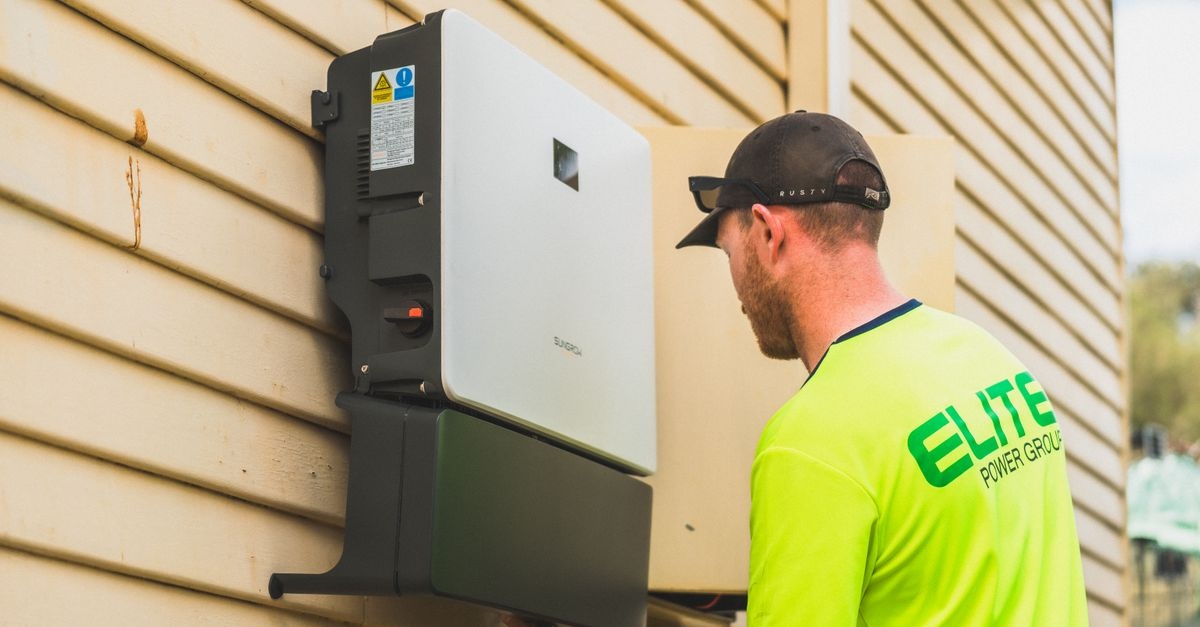
Your home is already electric—lights, HVAC, water heating, appliances, chargers, and screens—but is it intelligent about when and how it uses power? A modern Home Energy Management System (HEMS) transforms scattered devices into a coordinated, cost-cutting team. It tracks consumption in real time, predicts what will cost you most, and automates the best actions at the right moments. The result is simple: lower bills, higher comfort, and better resilience—without sacrificing your lifestyle.
In this comprehensive guide, you’ll learn what a HEMS is, how it saves money, where it fits in a smart home, and how to choose and deploy one that pays back—fast. Along the way, we’ll show practical examples, must-have features, security tips, and realistic ROI math to help you turn insight into impact.
What Is a HEMS—and Why Now?
A Home Energy Management System is the brain that monitors, analyzes, and optimizes your home’s electricity use. It connects to smart devices (thermostats, plugs, EV chargers), on-site generation (solar PV), storage (home batteries), and utility signals (time-of-use pricing, demand response) to orchestrate when and how energy is consumed. Think of it as an energy autopilot that reduces waste, shifts loads to cheaper times, and keeps comfort steady.
Three forces make HEMS adoption timely:
- Electrification: Heat pumps, induction cooking, and EV charging raise your electric share—magnifying both opportunity and risk in your bill.
- Dynamic tariffs: Time-of-use rates, peak surcharges, and real-time pricing reward smart timing. A HEMS automates the timing for you.
- Distributed energy: Solar, batteries, and flexible loads need coordination to maximize self-consumption, backup power, and savings.
From apartments to single-family homes, a well-chosen HEMS provides unparalleled visibility and control—delivering tangible Home Energy Management System (HEMS) benefits while laying the foundation for tomorrow’s grid-connected services.
How a HEMS Works: The Building Blocks
While capabilities vary by vendor, most platforms include the following layers:
- Sensing and metering: Whole-home current transformers (CT clamps), smart meters, submetered circuits, and smart plugs feed granular usage data (often per-second).
- Device connectivity: Integrations over Wi‑Fi, Zigbee, Z‑Wave, Thread/Matter, Bluetooth, and wired protocols such as Modbus, RS‑485, or OCPP (for EV chargers).
- Local or edge controller: A hub or gateway that runs automations at home for reliability, privacy, and low latency—even if the cloud is down.
- Cloud analytics: Forecasts, insights, and machine learning features (e.g., appliance disaggregation, solar prediction) to guide optimization.
- User interfaces: Mobile apps and dashboards that turn complex data into clear guidance, alerts, and one-tap scenes.
Together, these components deliver the core HEMS benefits: real-time visibility, automation, cost optimization, comfort management, and resilience during outages.
The Benefits That Matter Most
1) Lower Bills Without Sacrificing Comfort
Energy savings aren’t just about using less—they’re about using smarter. A HEMS automates load shifting, preheating/cooling, and EV charging to align with cheaper rates and solar production. It kills vampire loads and nudges you toward more efficient behaviors with data you can act on. Over a year, even modest daily optimizations add up to significant savings.
2) Real-Time Visibility and Control
See power usage by circuit or appliance, spot anomalies, and verify which actions save the most. Visibility begets control, and control begets savings. You’ll know exactly when the oven, dryer, or water heater spikes your demand—and how to tame it.
3) Better Comfort, Less Guesswork
With intelligent thermostats and occupancy-aware automations, comfort can stay consistent while consumption falls. Precondition rooms when energy is cheapest, then coast through peak windows without feeling it.
4) Solar and Storage Optimization
If you have rooftop solar or a home battery, the right HEMS maximizes self-consumption and backup coverage. It can schedule loads to consume your solar at midday, reserve battery charge before a storm, or discharge strategically during peaks.
5) EV Charging That Thinks Ahead
EVs are the biggest new load in most homes. A HEMS aligns charging with the lowest-cost hours, your carbon goals, and your driving schedule—often setting it and forgetting it while still guaranteeing your required range by morning.
6) Carbon and Sustainability Wins
Smart timing reduces emissions by prioritizing cleaner grid hours or your own renewables. A HEMS can shift usage to low carbon-intensity windows and report your impact, supporting climate goals without extra effort.
7) Participation in Demand Response and VPPs
Many utilities pay households to reduce or shift demand during grid stress. A HEMS automates your participation—turning your home into a grid asset and creating a new line of value beyond bill savings.
From Insights to Savings: What a HEMS Actually Does
Load Shifting and Peak Shaving
Load shifting moves flexible tasks—laundry, dishwashing, water heating—to off-peak times. Peak shaving limits the highest bursts of usage that can trigger high charges or cross thresholds. Together, they flatten your demand curve and trim your bill.
- Preheating/cooling: Condition your space when energy is cheap, then coast during peaks.
- Smart water heating: Heat water ahead of peak hours using a heat pump water heater or a controllable tank.
- Delayed EV charging: Fill your battery when rates are lowest or solar is abundant.
Appliance Disaggregation and Alerts
Some platforms apply NILM (non-intrusive load monitoring) to identify appliances from whole-home signals, surfacing unexpected consumption. Receive alerts when the fridge door is left open, the well pump runs too long, or standby power spikes.
Solar, Battery, and EV Orchestration
When you add distributed energy resources (DERs), orchestration becomes critical. A HEMS can:
- Align loads with solar: Run heavy tasks at midday to consume your own generation.
- Protect backup reserves: Hold battery charge before storms or during wildfire seasons.
- Optimize EV charging: Blend price signals, departure times, and carbon intensity.
Comfort and Habit Automation
Create scenes that match your life: Away Mode, Movie Night, or Sleep. Use occupancy sensors to cut HVAC in empty rooms or dim lights automatically. A HEMS ties energy intelligence to everyday convenience.
The Money Question: Savings, ROI, and Payback
How quickly does it pay off? It depends on your rate plan, load flexibility, and device mix. Consider a typical scenario:
- Time-of-use spread: Off-peak $0.16/kWh vs. peak $0.36/kWh.
- Shiftable daily load: 6–10 kWh (EV charging, water heating, laundry, dishwasher).
- HEMS impact: Shift 70% of flexible load off-peak; reduce 5–10% of baseline via efficiency and standby cuts.
In this simplified case, monthly savings can readily land in the $20–$60 range (or more with larger EV charging or solar/battery optimization). Over a year, that’s a few hundred dollars—often enough to justify a HEMS hub and subscriptions, especially when combined with utility rebates or tax incentives. If you add demand response payouts or a virtual power plant (VPP) program, the total annual value can increase further.
To estimate your own payback:
- Map flexible loads: List devices you can shift by 1–12 hours.
- Check rate plan: Note peak windows, surcharges, and seasonal rules.
- Model a week: Forecast what shifts realistically fit your lifestyle.
- Include DERs: Add solar self-consumption and battery arbitrage impacts.
- Account for comfort: Preheating/cooling and hot water scheduling are high-value with low hassle.
Bottom line: Well-implemented Home Energy Management System (HEMS) benefits often include measurable savings in the first billing cycle, with growing value as automations improve.
Key Features to Look For
Choosing a HEMS isn’t just about brand—it’s about the capabilities that deliver durable value. Prioritize the following:
- Open integrations: Support for common standards (Zigbee, Z‑Wave, Wi‑Fi, Thread/Matter) and vendor APIs to avoid lock-in.
- Local control: Edge automations keep your home responsive if the internet drops; better for privacy and latency.
- Device breadth: Native control for thermostats, water heaters, EV chargers, batteries, inverters, smart plugs, and breakers.
- Rate-aware optimization: Native handling of time-of-use, demand charges, and real-time prices.
- DER intelligence: Solar forecasting, battery state-of-charge management, EV smart charging, and load coordination.
- Appliance-level visibility: Submetering, NILM, or smart plug integration for trustworthy insights.
- Automations and scenes: If-this-then-that logic, schedules, occupancy triggers, and comfort safeguards.
- Security and privacy: Strong encryption, role-based access, transparent data policies, and local-first options.
- Data portability: Exports, APIs, and backups so you can own and move your data as needed.
- Utility program support: Easy enrollment in demand response or VPPs to unlock extra value.
Technology Deep Dive: Under the Hood
Protocols and Standards
Your HEMS should speak multiple languages. Matter/Thread improves interoperability for lights, plugs, and sensors. Zigbee/Z‑Wave remain strong for low-power devices. Wi‑Fi suits high-bandwidth devices and direct-to-cloud products. For DERs and prosumer gear, support for Modbus, SunSpec, OCPP (EV chargers), and inverter APIs makes integration smoother.
Forecasting and Optimization
Advanced platforms combine historical usage, weather forecasts, occupancy patterns, and tariff models to score each action by savings and comfort impact. Some add carbon-intensity data to prioritize cleaner energy windows. The best systems explain why an action is taken—and let you override it easily.
Resilience and Backup
A HEMS that coordinates batteries and critical loads can create a microgrid-like experience during outages: keep the essentials powered, pace consumption, and stretch runtime. Preemptive storm alerts can trigger battery reserve targets automatically.
Step-by-Step: Implementing a HEMS That Pays Back
Step 1: Audit Your Home
List your big loads (HVAC, water heating, dryer, oven, EV), flexible tasks, and comfort constraints. Note your rate plan and any upcoming electrification upgrades (e.g., heat pump, EV, induction cooktop).
Step 2: Choose the Right Platform
Match your needs to features: if you own solar + battery + EV, prioritize DER orchestration. If you rent, look for strong smart plug and thermostat support. Seek open standards and local control for future-proofing.
Step 3: Start with Visibility
Install whole-home metering and, if possible, a few circuit-level meters or smart plugs on heavy users. Spend a week watching patterns. Early insights guide which automations offer the biggest bang for your buck.
Step 4: Build Low-Friction Automations
- Thermostat preconditioning an hour before peak.
- Water heater scheduling to off-peak, with override for guests.
- EV charging windows based on departure time and cheapest hours.
- Standby killers for entertainment centers when no occupancy is detected.
Step 5: Layer in DERs and Advanced Logic
As comfort with the system grows, add solar self-consumption targeting, battery reserve logic before storms, and demand response participation. Continuously refine thresholds using the app’s insights.
Step 6: Review, Iterate, and Expand
Monthly, check your top loads and savings reports. Adjust scenes to reflect seasonal changes. Expand with new devices only when they unlock additional, measurable impact.
Common Mistakes to Avoid
- Chasing gadgets before data: Start with metering; let insights guide purchases.
- Neglecting comfort: Always include override rules and minimum comfort bounds.
- Vendor lock‑in: Favor open protocols and platforms with robust APIs.
- Ignoring rate specifics: Automations must reflect your actual tariff and seasons.
- Over-automation: Too many rules can conflict. Keep logic simple and test incrementally.
Privacy and Security: Protecting Your Energy Data
Your energy profile reveals routines and occupancy. Choose vendors that treat it like the sensitive data it is. Best practices include:
- Local processing first: Keep core automations at the edge to reduce cloud reliance.
- Encryption: TLS for data in transit; encrypted storage for data at rest.
- Access control: Multi-factor authentication and role-based permissions.
- Transparent policies: Clear data retention, deletion, and sharing practices.
- Regular updates: Firmware and app patches to address vulnerabilities.
These safeguards ensure Home Energy Management System (HEMS) benefits don’t come at the cost of your privacy.
Tailoring HEMS to Different Homes
Renters and Apartments
No panel access? Focus on portable tools: smart plugs, a compatible smart thermostat, and a clamp-on whole-home monitor if allowed. You’ll still gain high-impact automations without rewiring.
Single-Family Homes
Consider submetering key circuits (HVAC, water heater, EV charger) for precise control. If rates have steep peaks, add preconditioning and demand caps to flatten your profile.
Solar Owners
Coordinate large loads at midday, prefer appliance cycles that match your generation curve, and tune battery charge/discharge windows to minimize imports during expensive peaks.
EV Owners
Use departure-time and minimum-range settings, then optimize the rest of charging for the cheapest or cleanest hours. If supported, explore vehicle-to-grid (V2G) or vehicle-to-home (V2H) options.
Secondary Wins You’ll Notice
- Maintenance cues: Spikes and runtimes can indicate failing equipment before it breaks.
- Comfort consistency: Automated scenes smooth temperature swings and lighting.
- Lifestyle alignment: Energy management adapts to your routines, not the other way around.
Real-World Examples: From Theory to Practice
Example 1: Peak-Period Peace of Mind
On a 4–9 p.m. peak plan, a family preheats water at 3:30 p.m., pre-cools the home at 3 p.m., and delays the dishwasher until 9:15 p.m. The HEMS caps EV charging to 12 A during peak if departure is imminent, otherwise pauses entirely. Result: steady comfort, fewer peak imports, and no last-minute scramble.
Example 2: Solar-First Living
A solar household auto-starts laundry and runs the heat pump water heater at midday. The HEMS keeps battery SoC at 40% before a forecasted storm, then raises reserve to 80% as wind warnings escalate. During the outage, critical loads remain powered for hours longer than before.
Example 3: Renter-Friendly Savings
In a small apartment, smart plugs reveal that an old entertainment setup burns 40 W 24/7. A simple automation cuts standby when no motion is detected for 20 minutes after 11 p.m., saving several kWh each week without touching the building’s wiring.
Frequently Asked Questions
Do I need solar or a battery to benefit from a HEMS?
No. While DERs expand the upside, core value comes from visibility, scheduling, and peak avoidance—useful on any tariff.
Will automations make my home uncomfortable?
Not if you set guardrails. Good systems respect minimum/maximum temperatures, hot water availability, and personal schedules—and always allow quick overrides.
Is setup complicated?
Most platforms guide you with wizards and templates. Start small (thermostat, a few plugs), then expand. Many electricians can add CTs or submetering during a short visit.
How do I know the savings are real?
Use the HEMS dashboard to compare before/after periods and inspect device-level changes. Cross-check with your utility bills and export data for deeper analysis if you like.
What about privacy?
Choose vendors that support local control, strong encryption, and clear data policies. Ask how they handle retention and third-party sharing.
Putting It All Together
The promise of a smarter home isn’t just remote control—it’s better decisions made automatically. With a well-chosen platform, the Home Energy Management System (HEMS) benefits you’ll experience are both immediate and compounding: bill reductions, steadier comfort, cleaner consumption, and readiness for a more dynamic grid. Start with visibility, add low-friction automations, then scale into DER orchestration and utility programs. Each step tightens your grip on every watt—and moves you toward a home that’s efficient by default, resilient by design, and delightfully easy to live in.
Quick Checklist: Your Next Moves
- Confirm your rate plan and identify peak hours.
- Pick a HEMS with open standards, local control, and DER support.
- Install monitoring and a few smart controls (thermostat, plugs).
- Enable core automations: precondition HVAC, schedule water heating, optimize EV charging.
- Iterate monthly: review reports, tune scenes, and add integrations that clearly pay back.
Do this, and you’ll unlock the practical, day-to-day power of smart energy management—turning data into lower bills and a home that effortlessly works in your favor.
Note: Device compatibility, tariffs, and utility programs vary by region. Always verify integrations and rate details for your location.
Keyword focus: This guide explores practical Home Energy Management System (HEMS) benefits through real-world strategies, including smart home energy management, time-of-use optimization, demand response, solar and battery orchestration, EV charging intelligence, and privacy-first design.